






Calamondins
A calamondin fruit is a small citrus family fruit that have tastes like a sour tangerine. This is fruit can be eaten skin and all for good health resource. The skin is sweet so it balances out the sourness of the fruit. Great with salt for the sour snack!
 Full List of Fruits Calamondins Fruit

Calamondins Fruit
Introduction- The calamondon fruit, having a 30 mm in diameter, has the appearance of a small tangerine fruit. The calamondin fruit is a hybrid of lime and mandarin, or lime and kumquat fruit, or kumquat and mandarin fruit. There are two other citrus fruits called limes, the sweet lime and the Rangpur lime in some country. Just like the calamondin, this type of fruit has an original lime taste or of any commercial importance. Some of these like limes may produce several times during the year. Some type of calamondins fruit will produce as early as August and others as late as December.
Taste-Calamondin is sharp tasting like a lime or lemon, but better. Tangerine fruit, the calamondin is distinguished by its copious yield of seeds and its sweet-tart taste. Citrus ripen mostly depending on the variety of the fruit. Oranges can ripen as early on November and some in January. Except for satsumas and some limes, all citrus will change color before they are ripe.
Appearance - The calamondins, sweet lime, also called sweet lemon, it is widely grown around the shores of the Mediterranean, but not commercially and it is used as a stock for oranges in Brazil and Israel. The Palestine sweet lime is almost commonly grown in India. The Rangpur lime and its near relative, the Kusaie lime, are considered lemon subspecies. They have thin skin easily separated from the soft juicy flesh and hybrids of mandarin with lime or lemon. The true lime is a small, thin-skinned; it is a very acid fruit native to Malaysia. Limes are the most responsive to cold. These trees are always found in eastern India and wild in northern Malaysia.


Calamondin trees are easily grown from seeds or as rooted cuttings. The flowers are self-fertile nature and it requires no cross-pollination. A seedling tree will produce a yield of fruit at the age of two years from starting stage of the plant and it will continue to bear nearly year round to grow. Trees can be forced to make a redden of growth of tree and bloom by simply withholding all the water until the leaves become bendy and roll up, then thoroughly watering the plants the calamondins will be in full bloom within two months. This is a similar mechanism used to bring on flowering of bougainvilleas and amaryllis.
The skin is thin and smooth, yellow to yellow-orange and easily separable fruit skin. Calamondins can be grown as a dooryard tree as an ornamental and will do very well as a container or pot plant in colder regions that commonly do not grow citrus at this time. It is moderately drought-tolerant.
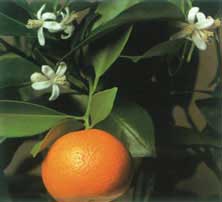
Flower and fruit often will appear at the same time in the calamondons tree. Non-spring flush fruit of oranges, tangelos, grapefruit and calamondin and others are distended, having a very thick peel, and sheep-nosed in shape. The calamondin fruit nearly takes a year to ripen so it maintains its ornamental value to the landscape longer than most citrus.
Mature fruit can be produced year round but are most copious from November to June and sweeter at the end of the fruit season. One calamondin is having about 12 calories, with a very small outline of fat. It contains approximately 1.2 g fiber, 37 mg potassium, 7.3 mg vitamin C, 57.4 mg IU vitamin A, 8.4 mg calcium, 15.5 g water and 3.1 g carbohydrates.

Click on the below Calamondins you wish to find about
1.Lime
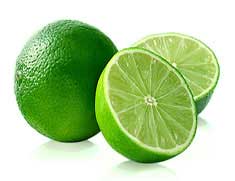
Limes are the tenderest of the citrus varieties and usually it will be a quite thorny. Difficult to grow in the ground without water molecule much better suited to containers. Protect at 32 degrees watch wind cool carefully.
...Read more
2.Lemon
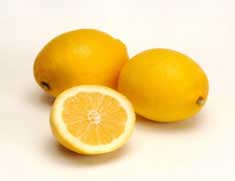
Lemons are the fastest growing citrus fruit varieties and very easy to grow in containers and anywhere in the land base. Most of the fruits are frost tender and should be covered or brought inside when temperatures reach 30 degrees. Varieties are available usually here as ever-bearing.
...Read more
3.Kumquat
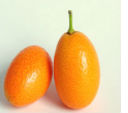
In ornamental plants some more kumquat trees are grown for their sweet edible fruit. Kumquat trees are used for the Christmas tree decorations. Because of the diversity of their use, kumquat trees are becoming popular to grow at home.
...Read more
| Nutritive value per 100 g of Calamondins | ||
| Principle | Nutritive value | Juice |
| Calories | 173g | 0% |
| Moisture | 87.08 g | 89.66% |
| Protein | 0.86 mg | 0.01% |
| Fat | 2.41mg | 0.53% |
| Carbohydrates | 3.27mg | 0% |
| Calcium | 0.14mg | 0% |
| Phosphorus | 0.07mg | 0% |
| Iron | 0.003g | - |
| Citric Acid | 2.81mg | 5.52% |
The fruit juice is used in the Philippines to bleach ink stains from fabrics. It also serves as a body deodorant. Calamondin peels effectively wash away the lingering smell of seafood after picking on them with the hands. One can also dip them into dishwashing solutions to produce a lemony fragrance.

It is taken as a cough remedy and antiphlogistic. Slightly diluted and drunk warm, it serves as a laxative. Combined with pepper, it is prescribed in Malaya to expel phlegm. The distilled oil of the leaves serves as a carminative with more potency than peppermint oil. The volatile oil content of the leaves is 0.90% to 1.06%.
 Calamondin Recipes
 1. Calamondin Cake

- 1 pkg. lemon flavored cake mix
- 1 sm. box lemon Jello
- 1/3 c. milk
- 1/2 c. Calamondin puree
- 4 lg. eggs
- 2/3 c. oil
Preparation
Bake in greased and floured bundt pan at 350 degrees for 40 to 45 minutes. While warm, spread with glaze: 4 tbsp. butter, melted 2/3 c. powdered sugar
2. Calamondin and Poppy seed muffins
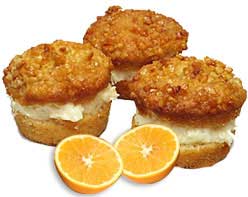
- Melted butter, to grease
- 1 tablespoon poppy seeds
- 185ml (3/4 cup) milk .
- 375g (2 1/2 cups) self-raising flour
- 155g (3/4 cup) caster sugar
- 125g butter, melted
- 2 eggs, lightly whisked
- 2 tsp finely shredded orange rind
- 1/3 cup fresh Calamondin juice
- Icing sugar, to dust
Preheat oven to 190°C. Brush twelve 80ml (1/3-cup) capacit non-stick muffin pans with melted butter to lightly grease. Combine the poppy seeds and 60ml (1/4 cup) of the milk in a small bowl. Set aside for 10 minutes. Combine the flour and sugar in a large bowl. Add the poppy-seed mixture along with remaining milk, butter, egg, orange rind and juice, and stir with a metal spoon until just combined (do not over mix). Spoon the batter among prepared muffin pans. Bake in preheated oven for 25 minutes or until a skewer inserted into the centres comes out clean. Remove from oven and turn onto a wire rack.