🌍 Fruit Region Navigation
Users can start from the Africa map and choose a country from the list. This makes the website easier to use because visitors can follow a clear path instead of searching through unrelated pages.
Explore fruit origins, country-wise fruits and regional fruit stories from Africa.
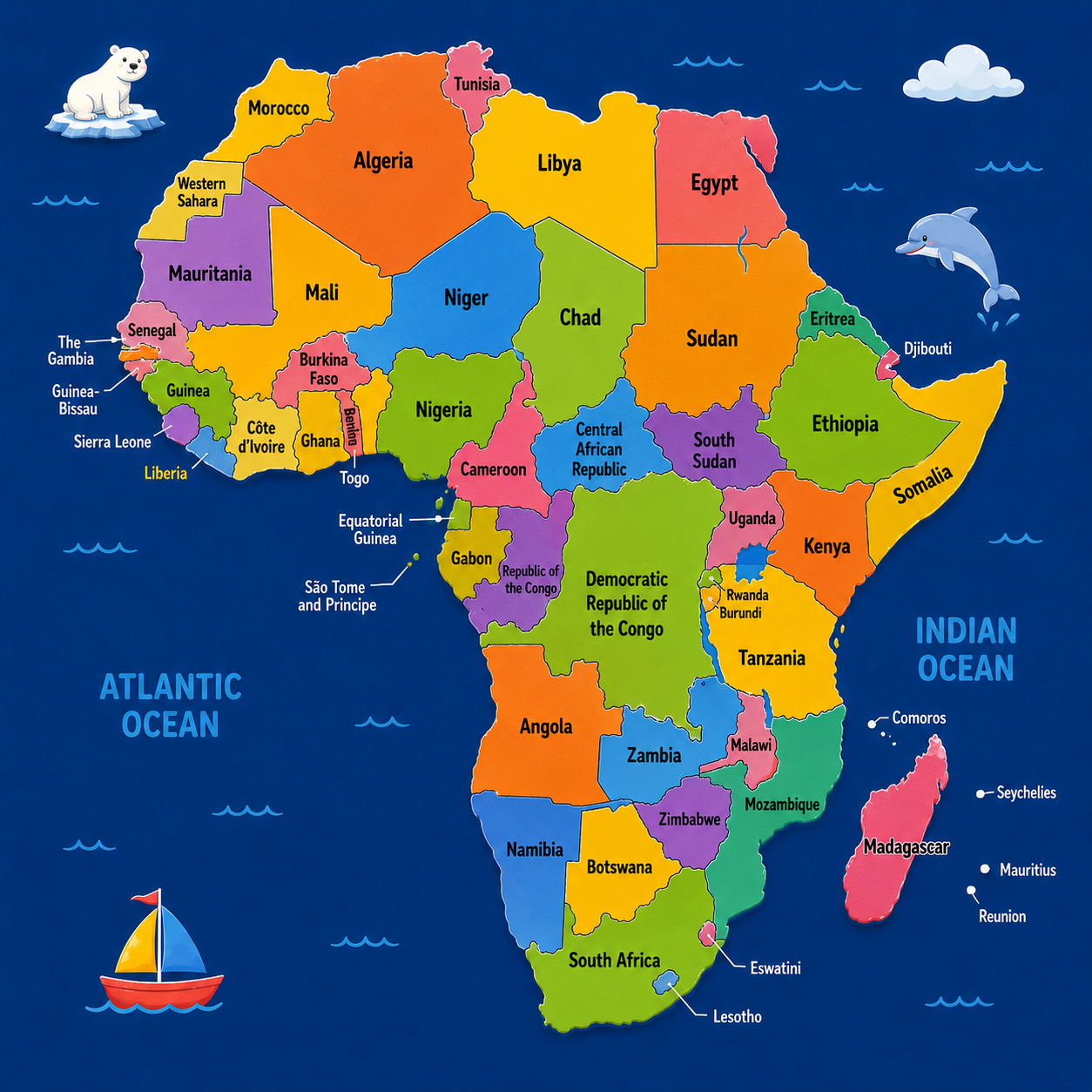
This page is the continent-level starting point for Africa. It helps users move from a large regional view into country-wise fruit discovery. Each country link opens a focused page where users can explore fruits connected with that location.
The purpose of this page is not to repeat fruit details from country pages or fruit pages. Instead, it works as a clean navigation page that connects the world map, country pages and individual fruit story pages.
Users can start from the Africa map and choose a country from the list. This makes the website easier to use because visitors can follow a clear path instead of searching through unrelated pages.
Every country link is designed to open a dedicated country page. The country page will show fruits connected with that country, along with internal links to individual fruit story pages.
The continent page does not explain every fruit in detail. That detailed information belongs on the fruit story page. This keeps the site clean, organized and professional.
This page supports a proper SEO structure: world map page, continent page, country page and fruit story page. Each level has a different role, so the content does not become repeated.
Africa is one of the most important continents for understanding fruit origins because it contains an extraordinary range of climates, ecosystems, farming traditions and cultural histories. The continent stretches from the Mediterranean coast of North Africa to the tropical rainforests of Central Africa, from the grassland savannas of East Africa to the fertile river valleys and coastal farming regions of the south. This remarkable environmental diversity has helped shape thousands of years of fruit cultivation, food traditions and agricultural innovation.
When people explore African fruit origins, they are learning much more than the names of fruits. They are discovering how geography, rainfall, trade routes, migration, local knowledge and cultural traditions influenced the movement and cultivation of fruit crops across the continent. Fruits such as baobab, marula, tamarind, African star apple and date palm have strong connections to African landscapes and communities. Other fruits, including mango, banana, papaya, pineapple and guava, arrived through trade and eventually became important parts of African agriculture and food culture.
Africa's fruit heritage reflects the diversity of its people and environments. Many fruits are deeply connected to traditional food systems, local markets, family farming and seasonal celebrations. Some fruits are harvested from wild trees growing naturally across the landscape, while others are cultivated in orchards, home gardens and commercial farms. These fruit traditions help support nutrition, income generation, biodiversity conservation and cultural identity.
This Africa fruit explorer page provides a broad overview of the continent's fruit history and geography. Visitors can begin with the regional picture before exploring country-specific pages and individual fruit story pages. This structure helps users understand both the continental and local importance of fruits across Africa while supporting a strong SEO hierarchy of continent pages, country pages and fruit detail pages.
Africa's fruit story is also a story of resilience. Many African fruits have evolved in environments that experience drought, seasonal rainfall and challenging growing conditions. These fruits demonstrate how plants and people adapt to environmental change. Understanding African fruit origins provides valuable lessons about sustainability, biodiversity and food security.
Africa has many important fruit stories because it contains multiple climate zones and agricultural regions. Tropical rainforests near the equator support lush fruit production throughout the year. Savanna regions support hardy fruit trees adapted to long dry seasons. Desert regions depend on drought-resistant crops and oasis agriculture. Mountain regions provide cooler climates suitable for orchard fruits. Coastal regions benefit from maritime conditions that support tropical and subtropical fruit cultivation.
This variety of environments allows Africa to support an impressive range of fruits. Some regions specialize in tropical fruits such as banana, papaya and pineapple. Other areas are known for indigenous fruits such as baobab and marula. North African regions are famous for dates, figs, pomegranates and citrus fruits. Highland regions support apples, pears, peaches and plums. Together these environments create one of the world's most diverse fruit landscapes.
African fruit stories are also connected with local traditions. In many communities, fruit trees provide more than food. They offer shade, medicine, animal feed, building materials and cultural significance. Certain fruit trees become gathering places for community events and local markets. Others play important roles in ceremonies, celebrations and traditional knowledge systems.
Throughout history, African trade routes helped move fruits and farming knowledge across vast distances. Ancient caravan routes crossed the Sahara Desert. River systems such as the Nile supported agriculture and trade. Indian Ocean ports connected East Africa with Arabia, India and Asia. These trade networks introduced new fruit species while spreading local fruits into neighboring regions.
Fruit cultivation also became important for economic development. Many African farmers rely on fruit production as a source of income. Local fruit markets provide opportunities for small-scale growers to sell fresh produce, while export industries connect African fruits with international consumers. Modern agriculture continues to build upon traditional fruit-growing knowledge developed over centuries.
Another reason Africa has important fruit stories is its biodiversity. The continent contains many native fruit species that are rarely discussed outside their regions. These fruits contribute to ecological balance, support wildlife and provide unique flavors and nutritional benefits. Protecting these fruit resources is important for both environmental conservation and cultural heritage.
Tropical Africa contains some of the richest fruit-growing environments in the world. Countries located near the equator experience warm temperatures, abundant rainfall and long growing seasons that support a wide variety of fruit crops. These regions include parts of Central Africa, West Africa and East Africa where fruit cultivation plays an important role in daily life and local economies.
The Congo Basin is one of the largest tropical rainforest regions on Earth and serves as an important center for fruit diversity. The rainforest supports both cultivated and wild fruit species that provide food for people and wildlife. Many local communities depend on forest fruits as seasonal food sources and sources of income. Traditional knowledge about harvesting and preserving these fruits has been passed down through generations.
Bananas and plantains are among the most important fruits in tropical Africa. They are grown across many countries and serve both as fruits and staple foods. Plantains are often cooked and eaten as part of daily meals, while bananas are commonly eaten fresh. These crops contribute significantly to food security and agricultural livelihoods.
Mangoes are also widely grown throughout tropical Africa. Introduced centuries ago through trade routes, mango trees adapted successfully to many African climates. Today they are found in village gardens, commercial orchards and urban markets. Mangoes are enjoyed fresh, dried, juiced and incorporated into local recipes.
Papaya, pineapple and guava are other important tropical fruits. Papaya grows quickly and produces nutritious fruit that is consumed throughout the year. Pineapple cultivation supports both local markets and export industries. Guava trees are valued for their hardiness and ability to produce fruit under a variety of conditions.
Rainforest regions also contain many indigenous fruits that remain relatively unknown outside Africa. These fruits contribute to biodiversity and support traditional diets. Local communities often harvest them from natural forests while also protecting the ecosystems where they grow. This connection between people and forests helps maintain both cultural traditions and environmental sustainability.
Tropical fruit markets are vibrant centers of community activity. Farmers bring freshly harvested fruits to market stalls where buyers can choose from seasonal selections. The colors, aromas and flavors of tropical fruits make these markets important cultural and economic spaces. Seasonal fruit harvests often influence local celebrations and food traditions.
Understanding tropical Africa helps visitors appreciate how climate, biodiversity and traditional knowledge work together to create rich fruit cultures. These regions demonstrate the close relationship between agriculture, ecology and community life that continues to shape African fruit production today.
The baobab tree is one of the most recognizable symbols of Africa and is often called the "Tree of Life." Found across many parts of sub-Saharan Africa, baobab trees are famous for their massive trunks, unusual appearance and incredible ability to survive harsh environmental conditions. Some baobab trees can live for hundreds or even thousands of years, making them important landmarks in local communities.
Baobab fruit grows inside a hard shell and contains a naturally dry pulp rich in vitamin C, fiber and antioxidants. Unlike many fruits that must be processed after harvesting, baobab fruit naturally dries on the tree before it is collected. The pulp can be mixed into drinks, porridges, desserts and health foods.
Throughout African history, baobab trees have provided more than fruit. Communities have used leaves for cooking, bark for rope and baskets, and hollow trunks for water storage. The tree often serves as a meeting place where people gather to discuss community matters, hold ceremonies and share stories.
Baobab trees are especially important in dry regions because they can survive long droughts. Their ability to store water allows them to continue producing fruit when other plants struggle. This resilience makes baobab a symbol of adaptation and sustainability.
In recent years, baobab products have become popular internationally due to their nutritional value. This growing demand has created economic opportunities for rural communities while increasing awareness of Africa's indigenous fruit heritage.
Marula is one of Africa's most celebrated indigenous fruits and is strongly associated with the savanna landscapes of Southern and Eastern Africa. The marula tree grows naturally in countries such as South Africa, Botswana, Zimbabwe, Namibia, Mozambique and parts of East Africa.
Marula fruits are small, yellow and highly aromatic. They contain juicy flesh with a sweet and tangy flavor that makes them popular for fresh consumption, juices and traditional beverages. The fruit is rich in vitamin C and other nutrients, making it valuable for local diets.
One reason marula is culturally important is its connection with seasonal harvest traditions. In many communities, the arrival of marula season is celebrated through festivals, gatherings and food preparation activities. Families collect fruits together and process them into various products.
Marula trees also support wildlife. Elephants, antelope, birds and many other animals feed on fallen marula fruits. This relationship between wildlife and fruit trees demonstrates the ecological importance of indigenous African fruit species.
The seeds inside marula fruits contain kernels that are rich in oil. These kernels are used in food products, cosmetics and traditional skincare preparations. As a result, nearly every part of the fruit can be utilized, increasing its value to local communities.
Modern businesses have helped introduce marula-based products to international markets. However, traditional uses remain important because they connect communities with local knowledge and cultural identity. Marula represents how indigenous African fruits can support both heritage preservation and economic development.
Tamarind is one of the most widely recognized fruit trees across tropical and semi-arid regions of Africa. The tree produces long pods filled with sticky brown pulp that has a distinctive sweet-sour flavor. Tamarind is used extensively in cooking, beverages and traditional food systems throughout the continent.
In many African countries, tamarind is valued because it grows well in challenging conditions. The tree tolerates heat, drought and poor soils better than many fruit crops. This makes it an important resource for communities living in semi-arid environments.
Tamarind pulp is commonly used to flavor sauces, soups, drinks and snacks. Its tart taste makes it a popular ingredient in traditional recipes. In some regions, children enjoy tamarind as a natural sweet-and-sour treat sold in local markets.
Tamarind trees also provide shade and contribute to environmental stability. Their deep root systems help protect soil and support local ecosystems. Farmers often include tamarind trees in mixed agricultural systems because they offer both economic and environmental benefits.
Across Africa, tamarind demonstrates how a single fruit can serve multiple roles. It functions as a food source, flavoring ingredient, market product and environmental asset. These diverse uses explain why tamarind remains an important part of African fruit culture.
The African star apple is one of the continent's most cherished indigenous fruits. Known in different regions by local names, it grows primarily in West and Central Africa where it has long been part of traditional diets and market culture.
The fruit is valued for its sweet taste, attractive appearance and nutritional benefits. When opened, the fruit reveals a star-shaped pattern that gives it its common English name. Children and adults alike enjoy eating it fresh during harvest season.
African star apple trees contribute to biodiversity because they grow naturally within forest ecosystems while also being cultivated in farms and home gardens. This flexibility allows communities to benefit from both wild and managed fruit resources.
Beyond the African star apple, the continent is home to many indigenous fruits that remain relatively unknown outside their regions. These fruits include monkey orange, safou, velvet tamarind, bush mango and numerous local species that play important roles in food security and cultural traditions.
Indigenous fruits are valuable because they are often well adapted to local climates. They require fewer external inputs than introduced crops and can provide reliable harvests under changing environmental conditions. Protecting and promoting these fruits helps preserve Africa's agricultural heritage.
Researchers and development organizations increasingly recognize the importance of indigenous fruits for nutrition, biodiversity conservation and rural livelihoods. Their growing popularity may help create new opportunities for farmers while maintaining traditional knowledge systems.
Date palms are among the most important fruit trees in North Africa and have shaped life in desert regions for thousands of years. Countries such as Egypt, Morocco, Algeria, Tunisia and Libya have long histories of date cultivation. The fruit remains a vital part of food culture, agriculture and trade.
Date palms thrive in hot, dry environments where many other fruit crops struggle. Their deep roots allow them to access underground water sources, making them ideal for oasis agriculture. In many desert communities, date palms provide food, shade and economic security.
Dates are highly nutritious and can be stored for long periods. This storage ability made them especially important before modern transportation and refrigeration. Travelers, traders and nomadic groups relied on dates as a dependable source of energy during long journeys.
Throughout North Africa, date cultivation is closely connected with cultural traditions. Dates are commonly served during religious celebrations, family gatherings and hospitality rituals. Offering dates to guests is considered a symbol of welcome and generosity in many communities.
Oasis agriculture often depends on date palms as the upper layer of a multi-level farming system. Beneath the palms, farmers grow vegetables, grains and smaller fruit trees. This approach maximizes the use of limited water resources and creates productive agricultural landscapes within desert environments.
Modern North Africa remains one of the world's most important date-producing regions. Export markets for premium dates contribute significantly to rural economies while maintaining traditions that have existed for centuries. Date palms continue to demonstrate how agriculture can thrive even in some of the world's harshest climates.
The Nile Valley is one of the most important agricultural regions in Africa and has supported fruit cultivation for thousands of years. Stretching through northeastern Africa, the Nile River provides water, fertile soils and favorable growing conditions in areas that would otherwise be extremely dry. Ancient civilizations developed along its banks and relied heavily on agriculture to support growing populations.
Fruit cultivation has always been an important part of Nile Valley farming systems. Ancient farmers grew dates, figs, grapes, pomegranates and various citrus fruits along riverbanks and irrigated fields. Historical records and archaeological discoveries show that fruits played a significant role in daily diets, trade and cultural traditions throughout ancient Egypt and neighboring regions.
The Nile's annual flooding historically deposited nutrient-rich sediments that improved soil fertility. This natural process allowed fruit trees to thrive and helped establish some of Africa's earliest organized agricultural systems. Farmers learned how to manage water resources carefully, creating irrigation methods that supported fruit production even during dry periods.
Modern Nile Valley agriculture continues to support important fruit industries. Egypt remains one of Africa's leading producers of dates, citrus fruits, grapes and mangoes. Irrigation systems now provide year-round access to water, allowing farmers to expand production and supply both domestic and international markets.
The Nile Valley demonstrates how access to reliable water can transform agricultural landscapes. Fruit cultivation in this region highlights the close relationship between rivers, farming innovation and long-term food security. Understanding the Nile's role in fruit history helps visitors appreciate the importance of water management in agricultural development.
East Africa contains extensive highland regions where cooler temperatures and elevated landscapes create unique opportunities for fruit farming. Countries such as Kenya, Ethiopia, Uganda, Rwanda and Tanzania contain mountainous areas that differ significantly from surrounding tropical lowlands.
Highland environments support fruits that require cooler growing conditions. Apples, pears, peaches, plums and certain berry crops can be cultivated successfully in these regions. Farmers benefit from moderate temperatures, fertile volcanic soils and favorable rainfall patterns that support orchard development.
Kenya's highlands are especially important for fruit production. Many farms combine fruit trees with tea, coffee and vegetable crops, creating diversified agricultural systems. Highland fruit farming provides income opportunities while supporting local food supplies.
Ethiopia also has a rich fruit-growing tradition linked to its diverse elevations. Different altitude zones allow farmers to grow a wide range of fruits, from tropical species in warmer valleys to temperate orchard crops in cooler mountain regions. This environmental diversity contributes to the country's agricultural resilience.
Highland fruit production often requires careful management because mountain environments present unique challenges. Farmers must consider soil erosion, steep terrain and transportation difficulties when bringing fruit to market. Despite these challenges, highland regions frequently produce high-quality fruits with excellent flavor and appearance.
East African highland fruits illustrate how elevation influences agriculture. These regions expand the continent's fruit diversity by supporting crops that cannot easily grow in hotter lowland environments. The result is a rich combination of tropical and temperate fruit traditions within the same countries.
West Africa is known for its vibrant fruit markets that connect farmers, traders and consumers across cities, towns and rural communities. Countries such as Nigeria, Ghana, Senegal, Côte d'Ivoire and Sierra Leone have strong market traditions where fruits are sold fresh, processed and preserved in various forms.
Market stalls often display colorful selections of mangoes, pineapples, bananas, papayas, citrus fruits, guavas and indigenous fruits. Seasonal changes influence which fruits are available, creating dynamic market environments that reflect local harvest cycles.
Fruit markets play an important role in supporting smallholder farmers. Many growers depend on local markets as their primary source of income. By selling directly to consumers or traders, farmers can generate revenue while supplying communities with fresh produce.
Street vendors also contribute significantly to fruit distribution. Fresh fruit slices, juices and fruit-based snacks are commonly sold in urban centers, making nutritious foods accessible to large populations. These informal market systems are important components of local economies.
West African fruit culture extends beyond commerce. Markets serve as social gathering spaces where people exchange news, maintain relationships and celebrate seasonal abundance. The atmosphere of a busy fruit market reflects the strong connection between agriculture and community life.
Understanding West African fruit markets helps visitors appreciate the role of local trade in food systems. These markets preserve traditional fruit varieties, support livelihoods and strengthen connections between producers and consumers.
Central Africa contains some of the world's largest tropical rainforest ecosystems, making it one of the most important regions for fruit biodiversity. Countries such as the Democratic Republic of the Congo, Cameroon, Gabon and Equatorial Guinea are home to numerous fruit species that contribute to local diets and ecological health.
Rainforest fruits are often harvested from both cultivated trees and natural forest environments. Many indigenous species remain closely tied to traditional lifestyles and local knowledge systems. Communities have developed harvesting methods that allow them to benefit from fruit resources while maintaining forest ecosystems.
Fruits from Central African forests provide essential nutrients and seasonal food sources. They also support wildlife populations, including birds, primates and other animals that depend on fruit-bearing trees. This ecological relationship helps maintain biodiversity and forest regeneration.
Some rainforest fruits are processed into oils, beverages and preserved foods that can be stored or traded. These products create economic opportunities for rural communities while increasing the value of forest resources.
Conservation efforts increasingly recognize the importance of rainforest fruit species. Protecting forests helps preserve both biodiversity and traditional fruit knowledge. Sustainable management practices ensure that future generations can continue benefiting from these valuable resources.
Central African rainforest fruits demonstrate how agriculture, ecology and culture can work together. These fruit systems provide important lessons about sustainability and the long-term value of biodiversity.
Southern Africa contains diverse agricultural landscapes ranging from semi-arid savannas to fertile coastal regions and Mediterranean-style climates. Countries such as South Africa, Zimbabwe, Botswana, Namibia, Mozambique and Zambia have developed distinctive fruit traditions shaped by their environments.
Indigenous fruits such as marula play a major role in Southern African food culture. These fruits are often harvested from naturally growing trees and processed into juices, preserves and traditional beverages. Seasonal fruit collection remains an important activity in many rural communities.
South Africa has also developed extensive commercial fruit industries. Apples, pears, grapes, citrus fruits and stone fruits are produced in large quantities and exported to international markets. Modern orchard systems combine advanced agricultural technology with favorable growing conditions.
Coastal regions support subtropical fruits such as mangoes, bananas and avocados, while cooler inland areas are suitable for temperate orchard crops. This diversity allows Southern Africa to produce a wide range of fruits throughout the year.
Fruit festivals, local markets and family traditions help preserve cultural connections to agriculture. Seasonal harvests often bring communities together and highlight the importance of fruit production within regional economies.
Southern African fruit traditions demonstrate how indigenous knowledge and modern farming can coexist. The region continues to build upon centuries of agricultural experience while adapting to new technologies and changing market demands.
Climate is one of the most important factors influencing fruit farming across Africa. Because the continent contains deserts, rainforests, mountains, savannas, coastal regions and river valleys, farmers must adapt their growing methods to local environmental conditions. The same fruit that thrives in one region may struggle in another, making climate knowledge essential for successful cultivation.
Tropical regions near the equator provide warm temperatures and regular rainfall throughout much of the year. These conditions are ideal for fruits such as banana, pineapple, papaya, mango, guava and many indigenous rainforest species. Tropical fruit farmers often focus on managing pests, diseases and excess moisture because high humidity can increase plant health challenges.
Savanna regions experience distinct wet and dry seasons. Fruit trees in these areas must be able to survive months with limited rainfall before benefiting from seasonal rains. Indigenous fruits such as marula and baobab have adapted to these conditions over thousands of years. Their deep root systems allow them to access water during drought periods and continue producing valuable harvests.
Desert environments present some of the most challenging conditions for agriculture. In North Africa and other arid regions, fruit production depends heavily on irrigation and water conservation. Date palms are particularly successful because they tolerate heat and dryness better than many other fruit crops. Oasis agriculture demonstrates how farmers use limited water resources efficiently to support fruit cultivation.
Highland regions introduce another layer of diversity. Elevated areas in East Africa often experience cooler temperatures that support fruits requiring more moderate conditions. Apples, pears, peaches and plums can thrive in these environments. Temperature differences between day and night also help improve fruit color, flavor and overall quality.
Coastal climates provide additional opportunities for fruit production. Ocean influences moderate temperatures and increase humidity, creating favorable conditions for tropical and subtropical fruits. Coastal farmers often cultivate mangoes, coconuts, bananas, citrus fruits and papayas. Access to ports also helps connect producers with regional and international markets.
Climate change has become an increasingly important issue for African fruit farming. Changes in rainfall patterns, rising temperatures, droughts, floods and shifting pest populations can affect production. Farmers are adapting through improved irrigation systems, drought-resistant varieties, better soil management and climate-smart agricultural practices.
Understanding climate helps explain why different fruits are associated with different regions of Africa. Climate influences what farmers grow, how they grow it and when harvests occur. It also shapes local food cultures, seasonal traditions and agricultural economies throughout the continent.
Fruit markets are an essential part of daily life across Africa. In many countries, fresh fruits are sold in open-air markets, roadside stalls, village centers and busy urban marketplaces. These markets connect farmers directly with consumers and provide access to seasonal produce that reflects local agricultural cycles.
Seasonal eating remains important in many African communities. Different fruits become available at different times of the year depending on rainfall, temperature and harvest schedules. Mango season, pineapple season, marula season and citrus season each bring excitement to local markets and households.
During harvest periods, fruit markets often become colorful displays of abundance. Vendors arrange baskets of fresh produce while buyers search for their favorite seasonal fruits. The arrival of certain fruits may signal cultural events, family gatherings or local celebrations connected with harvest traditions.
Street vendors play a major role in making fruit accessible. Fresh fruit slices, juices and snacks are commonly sold in towns and cities. Mangoes, pineapples, watermelons and citrus fruits are often prepared for immediate consumption, allowing people to enjoy healthy foods throughout the day.
Seasonal fruit consumption also helps communities maintain a connection with local agriculture. Rather than relying entirely on imported foods, many families continue to enjoy fruits produced within their own regions. This supports local farmers while encouraging awareness of natural growing cycles.
Traditional preservation methods help extend fruit availability beyond harvest seasons. Drying, fermenting and processing fruits into jams, juices and concentrates allow communities to enjoy fruit products throughout the year. These methods reduce waste and create additional economic opportunities.
Modern supermarkets and cold storage systems are changing fruit distribution in some regions, but traditional markets remain highly important. They preserve local fruit varieties, support small-scale producers and maintain cultural connections to seasonal agriculture.
African fruit markets demonstrate how agriculture, commerce and community life intersect. They are places where food culture remains visible and where seasonal changes can be observed through the fruits available for sale.
Africa has a long history of trade that influenced the movement of fruits, seeds and agricultural knowledge across the continent. Ancient trade routes connected different regions and allowed farmers to exchange crops, technologies and cultural practices. These interactions helped expand fruit diversity and shaped agricultural development.
One of the most famous trade networks was the trans-Saharan trade route. Caravans traveled across the Sahara Desert carrying goods between North Africa and sub-Saharan regions. Along with commodities such as salt and gold, traders also transported seeds, fruits and agricultural knowledge that contributed to crop diversification.
The Nile River served as another major transportation corridor. Communities along the river exchanged agricultural products and farming techniques over long distances. Fruit crops spread through these interactions, helping establish productive agricultural systems throughout the Nile Valley.
East Africa's Indian Ocean trade routes connected African ports with Arabia, India, Persia and Asia. Ships carried spices, textiles, food products and fruit crops between continents. These maritime connections introduced new fruit varieties while expanding opportunities for trade and cultural exchange.
Migration also influenced fruit movement. As people relocated, they often carried seeds and planting materials with them. These migrations helped establish fruit crops in new environments and encouraged adaptation to different climatic conditions.
Some fruits that are common in Africa today arrived through historical trade and migration. Over time, these fruits became integrated into local farming systems and food cultures. Their stories demonstrate how agricultural exchange can shape regional identities.
Ancient trade routes were not simply economic pathways. They served as channels for knowledge transfer, innovation and cultural interaction. Farmers learned new techniques, experimented with different crops and adapted agricultural systems to local conditions.
Understanding fruit movement across Africa helps explain why similar fruits can be found in widely separated regions. It also reveals how interconnected African agricultural history has been for thousands of years.
Modern African fruit industries play an increasingly important role in global agricultural trade. Many countries export fresh fruits and processed fruit products to markets in Europe, Asia, the Middle East and other regions. These exports generate income, create jobs and support rural development.
South Africa is one of the continent's largest fruit exporters. The country exports citrus fruits, grapes, apples, pears and stone fruits to numerous international destinations. Advanced farming methods, efficient logistics and favorable growing conditions help support these industries.
North African countries are major exporters of dates and citrus fruits. Premium date varieties from Egypt, Algeria, Tunisia and Morocco are highly valued in international markets. Citrus exports also contribute significantly to agricultural economies throughout the region.
Tropical fruits such as mangoes, pineapples, avocados and bananas are exported from several African countries. Improvements in transportation, cold storage and packaging have helped producers reach consumers around the world while maintaining product quality.
Export industries create opportunities for farmers, processors, transport companies and market workers. They encourage investment in agriculture while supporting employment across supply chains. However, successful exports require attention to quality standards, food safety and sustainability practices.
Many African countries are also investing in value-added fruit products. Instead of exporting only fresh fruits, businesses increasingly produce juices, dried fruits, concentrates and specialty foods. These products can increase economic value while reducing losses caused by spoilage.
Sustainable production is becoming increasingly important in global markets. Consumers often seek products that support environmental protection, fair labor practices and community development. African fruit producers are responding by adopting certifications and sustainability programs that improve competitiveness.
Modern African fruit exports demonstrate how traditional agriculture can connect with global markets. They show the continent's growing role in international food systems while highlighting the importance of maintaining quality, sustainability and cultural heritage.
Africa is an enormous continent with more than fifty countries, hundreds of ethnic groups and a remarkable variety of climates. Because of this diversity, it is impossible to fully understand African fruit culture from a single continent page alone. Country pages provide the next step in the learning journey by helping users explore fruits within specific national and regional contexts.
Each African country has its own fruit identity shaped by geography, climate, farming traditions and cultural practices. Egypt is known for dates, citrus fruits and grapes. Morocco is famous for citrus, figs and olives. Ghana and Nigeria are important for pineapples, mangoes and indigenous fruits. Kenya and Tanzania combine tropical fruits with highland orchard crops. South Africa produces citrus, grapes, apples and pears for both domestic and international markets.
Country pages help visitors understand these differences. Instead of presenting fruits as a simple list, they show how fruits are connected with specific landscapes, communities and agricultural systems. A mango story in Kenya may differ from a mango story in Senegal or Mozambique. The fruit is similar, but the climate, farming methods and cultural uses may be very different.
Country pages also improve website organization and user experience. Visitors can begin with the continent overview, choose a country that interests them and then move to individual fruit pages. This structured learning path makes information easier to understand and helps avoid duplicate content across the website.
From an SEO perspective, country pages create a clear hierarchy of information. Search engines can understand how continent pages connect to country pages and how country pages connect to fruit stories. This structure improves navigation, increases topical authority and supports long-term content growth.
The best Africa fruit learning experience begins with the continent overview, continues through country exploration and ends with detailed fruit stories. This approach allows visitors to understand both the big picture and the local details that make African fruit culture so diverse and fascinating.
Africa fruit stories provide valuable educational opportunities because they connect agriculture, geography, biology, history and culture. A fruit is not simply something people eat. Every fruit has a history, a place of origin, a growing environment and a relationship with human communities.
Students can use fruit origin stories to learn about climate zones. Tropical fruits teach lessons about rainfall, humidity and biodiversity. Desert fruits demonstrate adaptation to drought and water scarcity. Highland fruits illustrate the influence of elevation and temperature on agriculture. These examples make environmental education more engaging and practical.
Fruit stories also help explain human history. Ancient trade routes, migration patterns and cultural exchanges often influenced the movement of fruit crops. Learning how fruits spread across Africa provides insight into historical connections between communities and regions.
Cultural education is another important benefit. Different communities use fruits in different ways. A fruit may be eaten fresh, cooked, dried, fermented, juiced or used in traditional ceremonies. Understanding these differences helps visitors appreciate cultural diversity and local knowledge systems.
Fruit stories can also support sustainability education. Many indigenous fruits are adapted to local environments and require fewer external resources than imported crops. Learning about these fruits encourages awareness of biodiversity conservation, climate resilience and sustainable agriculture.
For children and families, fruit stories make learning enjoyable. Instead of focusing only on technical information, fruit pages can combine history, science, culture and geography into a memorable educational experience. This approach helps transform simple fruit facts into meaningful stories about people and places.
Ultimately, Africa fruit stories demonstrate how food connects human societies with the natural world. They encourage curiosity, respect for cultural traditions and appreciation for agricultural diversity across the continent.
Why is Africa important for fruit origins?
Africa contains diverse ecosystems including deserts, savannas, rainforests, mountains and river valleys that support a wide variety of fruit species and farming traditions.
Which fruits are native to Africa?
Native African fruits include baobab, marula, African star apple, monkey orange, bush mango and many other indigenous species.
What is Africa's most famous fruit tree?
The baobab tree is one of Africa's most iconic fruit trees and is often called the "Tree of Life."
Why are date palms important in North Africa?
Date palms provide food, shade and economic value in desert regions where many other crops cannot survive.
Which African regions are known for tropical fruits?
Tropical regions in Central, West and East Africa are known for bananas, mangoes, pineapples, papayas and guavas.
What role do fruit markets play in African communities?
Fruit markets support local economies, connect farmers with consumers and help preserve traditional food cultures.
How did trade routes influence African fruit diversity?
Ancient trade routes helped move fruits, seeds and farming knowledge across the continent and beyond.
Are African fruits exported internationally?
Yes. Africa exports dates, citrus fruits, grapes, mangoes, pineapples, avocados and many other fruit products.
Why are indigenous fruits important?
Indigenous fruits support biodiversity, cultural heritage, food security and climate resilience.
How should users explore Africa fruit content?
Users should start with the Africa continent page, choose a country page and then explore individual fruit stories for detailed information.
Why are country pages necessary?
Country pages help explain local fruit traditions and prevent content duplication while improving user navigation.
How does climate affect African fruit farming?
Climate influences which fruits can grow in different regions and shapes agricultural practices, harvest seasons and food traditions.