
Fruit Origin Challenge
A quiz-style game where users answer fruit origin questions, choose the right option and improve their memory about fruits, countries, climates and regions.
- Multiple-choice questions
- Score tracking
- Fruit origin learning
The Games page makes Fruit Origin Explorer more interactive. Users can test fruit origin knowledge, remember country connections and enjoy simple learning activities through quiz and catching games.
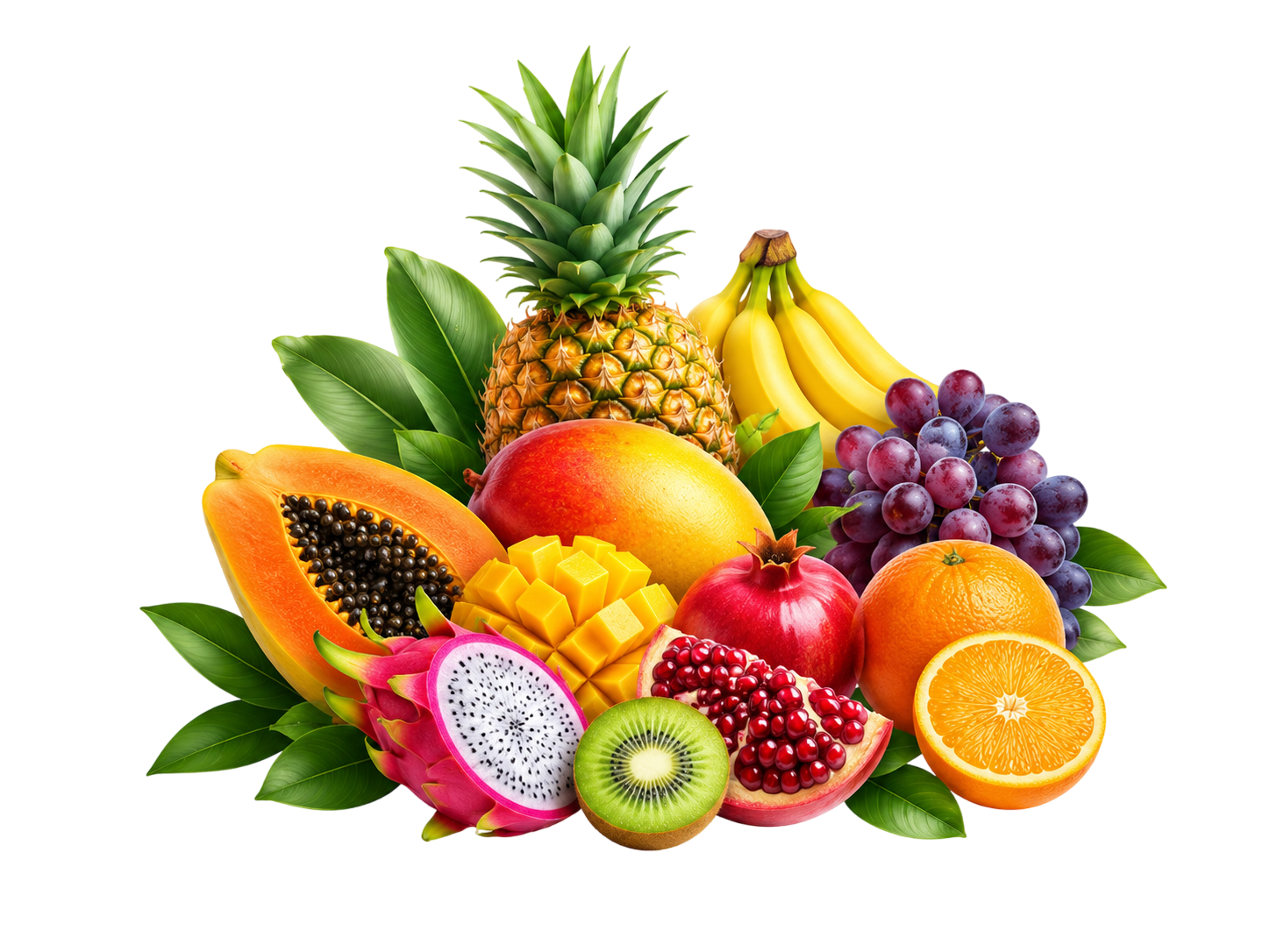
A quiz-style game where users answer fruit origin questions, choose the right option and improve their memory about fruits, countries, climates and regions.
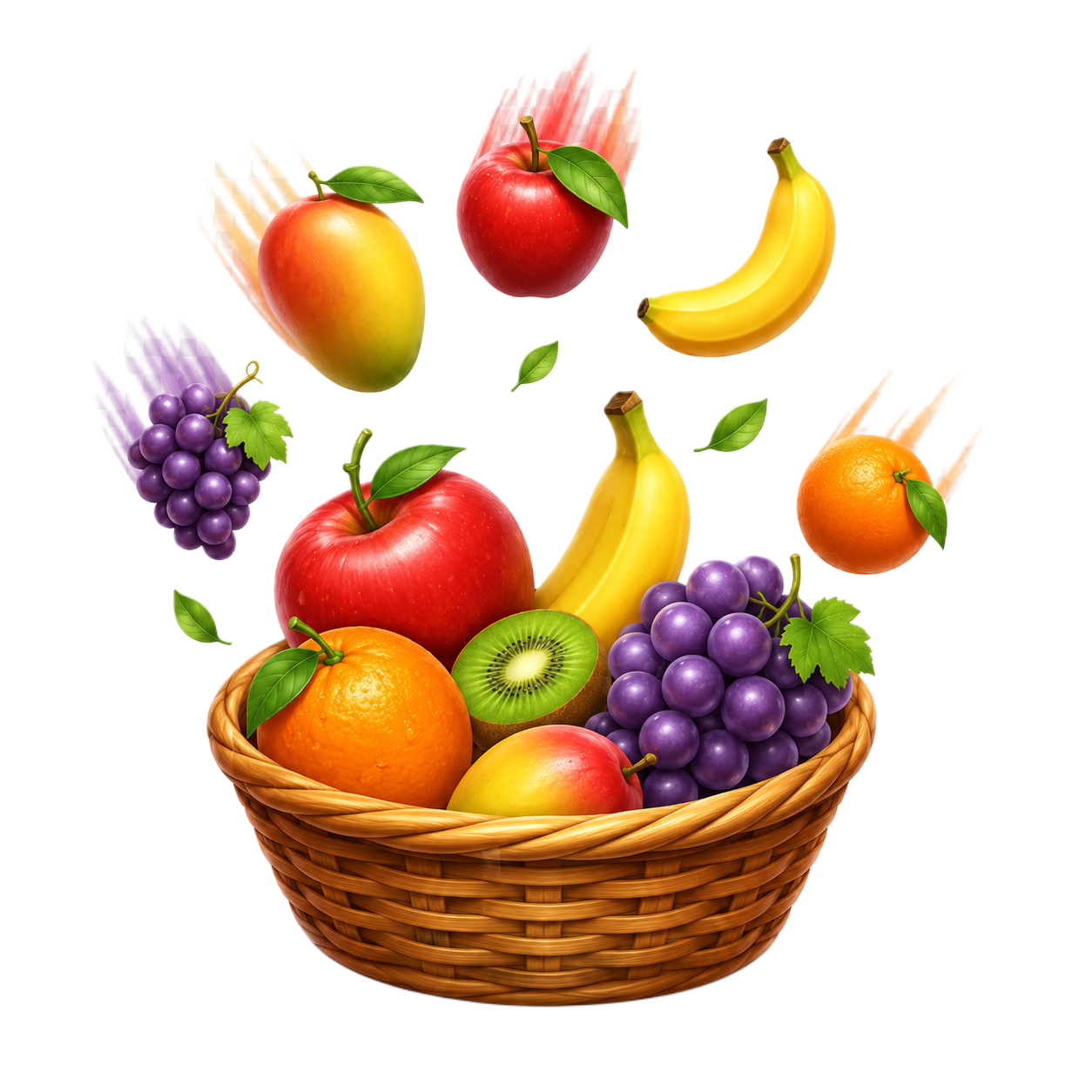
A visual catching game where users move a basket, catch falling fruits and collect points while connecting fruits with simple learning facts.
Games make fruit learning more active. Instead of only reading pages, users can test what they remember about fruits, countries, continents and origin stories. This helps students, children and general visitors learn through interaction.
This page is focused only on fruit learning games. The challenge game teaches through questions, while the catching game supports visual memory and simple fruit recognition.
Users can remember fruit origins through repeated questions and interactive activities.
The games are simple enough for students and children to understand quickly.
Interactive games make the website more useful than a normal text-only fruit information page.
The Games page is created to make Fruit Origin Explorer more interactive and useful for learning. Instead of only reading fruit origin articles, visitors can play simple games that help them remember fruit names, origin countries, continents, climates and cultural connections.
These games are designed for students, children and general visitors who want to learn fruit information in an easy way. The page connects reading, memory practice and visual activity so users can understand fruit origins more clearly.
The Fruit Origin Challenge is a quiz-style learning game. Users answer multiple-choice questions about fruits, countries, continents, climates and origin stories. This helps them test what they remember after reading fruit pages.
The challenge game helps users connect each fruit with the right country or region. It also supports learning about farming climate, historical fruit movement and important fruit facts in a simple question and answer format.
Score tracking makes the quiz more engaging. Users can see how many answers they get correct and try again to improve their memory. This makes fruit origin learning feel more active and rewarding.
The Fruit Catching Game is a visual activity where users move a basket and catch falling fruits. It is designed to support fruit recognition, quick attention and simple learning through movement.
This game is useful because many users remember fruits better when they see them repeatedly. By combining fruit visuals with points and movement, the catching game adds fun to the learning experience.
Users can recognize fruits more easily when they see fruit images, names or emojis again and again. This supports memory for common fruits such as mango, banana, coconut, grapes, apple and many others.
The basket movement keeps users active on the page. Instead of only reading, users participate in the learning process by catching fruits and collecting points.
Repeated play helps users remember fruit names and basic fruit information. This makes the Games page useful for learning, revision and student-friendly practice.
Fruit Origin Explorer focuses on fruit origins, country connections, history, culture, farming and travel routes. The games support the same purpose by turning this information into easy practice activities.
A visitor can read a fruit article first, then use the games to check memory. This creates a complete learning flow: read the fruit story, understand the country connection, play the game and remember the information better.