🌍 Fruit Region Navigation
Users can start from the Asia map and choose a country from the list. This makes the website easier to use because visitors can follow a clear path instead of searching through unrelated pages.
Explore fruit origins, country-wise fruits and regional fruit stories from Asia.

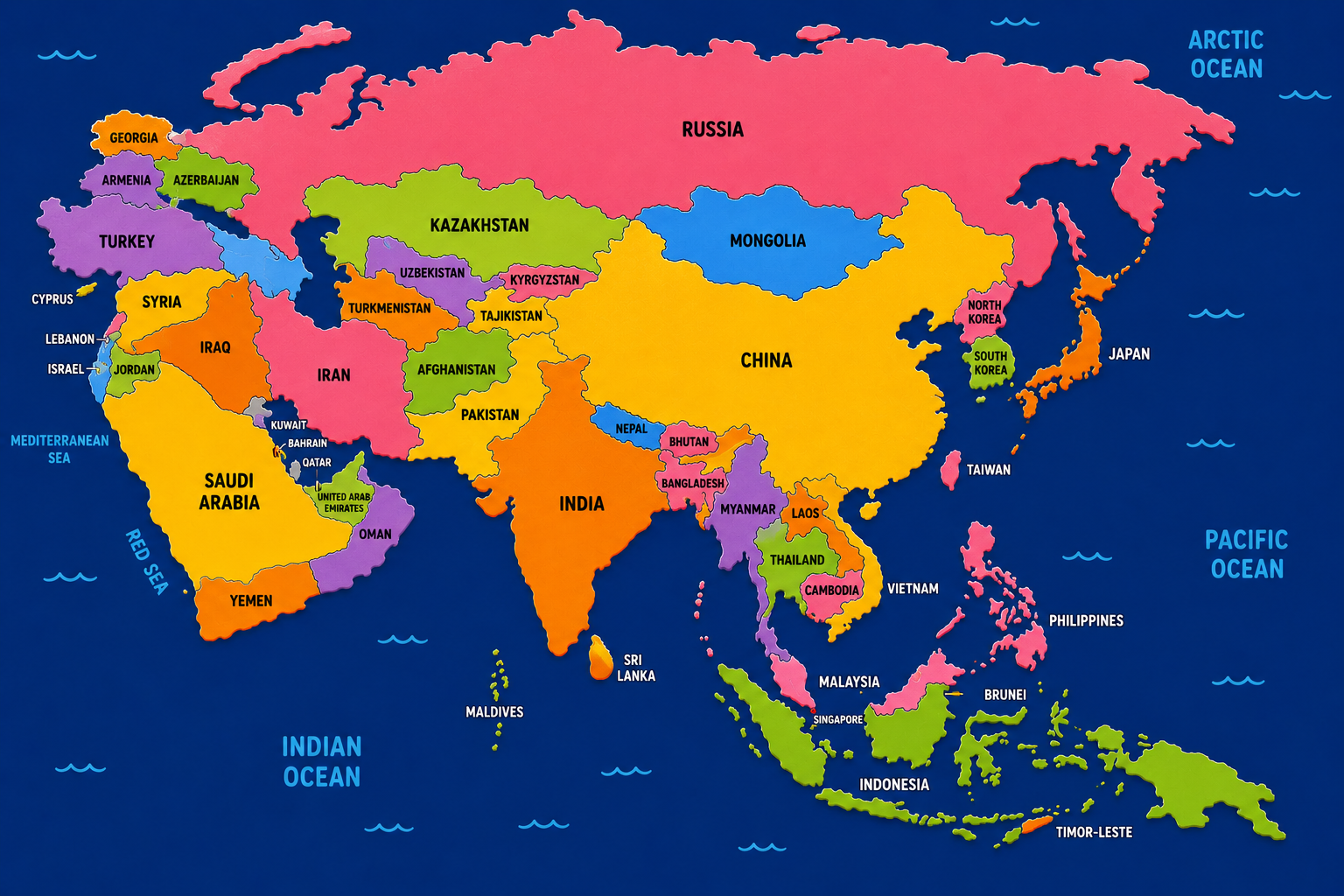
This page is the continent-level starting point for Asia. It helps users move from a large regional view into country-wise fruit discovery. Each country link opens a focused page where users can explore fruits connected with that location.
The purpose of this page is not to repeat fruit details from country pages or fruit pages. Instead, it works as a clean navigation page that connects the world map, country pages and individual fruit story pages.
Users can start from the Asia map and choose a country from the list. This makes the website easier to use because visitors can follow a clear path instead of searching through unrelated pages.
Every country link is designed to open a dedicated country page. The country page will show fruits connected with that country, along with internal links to individual fruit story pages.
The continent page does not explain every fruit in detail. That detailed information belongs on the fruit story page. This keeps the site clean, organized and professional.
This page supports a proper SEO structure: world map page, continent page, country page and fruit story page. Each level has a different role, so the content does not become repeated.
Asia is one of the most important continents for understanding fruit origins because it contains an extremely wide range of climates, landscapes, farming systems and food traditions. The continent stretches from tropical islands and humid rainforests to dry deserts, high mountains, river valleys, coastal trade zones and cold temperate orchards. Because of this large natural variety, Asia is connected with many different types of fruits. Some fruits are strongly linked with tropical Southeast Asia, some with the monsoon regions of South Asia, some with Central Asian valleys, some with East Asian orchards, and others with the dryland farming traditions of the Middle East and Western Asia.
When users explore Asia fruit origins, they are not only learning a list of fruits. They are learning how geography, rainfall, temperature, trade routes, migration, farming knowledge, local markets and culture shaped the movement of fruits across countries. Mango, banana, coconut, rambutan, durian, mangosteen, jackfruit, lychee, longan, guava, citrus, grapes, dates, pomegranates, apricots, melons, pears, cherries and apples all have different relationships with Asia. Some are native or deeply rooted in Asian regions, while others were introduced, adapted and became important through cultivation and trade.
This Asia fruit origin page helps users understand the continent as a large fruit-learning region. It gives the big regional picture first, then users can select a country and open individual fruit story pages for deeper information. This structure is useful for SEO because it creates a clear learning path: continent page, country page and fruit detail page. Each level has its own purpose. The continent page explains the regional background, the country page explains country-wise fruit connections, and the fruit page explains origin, history, farming, climate, culture, varieties and travel routes.
Asia has many important fruit stories because it is not one single climate zone. Tropical regions such as Indonesia, Malaysia, Thailand, the Philippines, Sri Lanka, Myanmar, Laos, Cambodia, Vietnam and parts of India support fruits that need warmth, humidity and regular rainfall. These areas are strongly connected with mango, banana, coconut, durian, rambutan, mangosteen, jackfruit, papaya, guava, pineapple and many citrus fruits. These fruits often grow in home gardens, mixed farms, roadside orchards and humid lowland regions where tropical conditions are favorable.
South Asia has a strong monsoon fruit identity. India, Pakistan, Bangladesh, Nepal, Sri Lanka and nearby regions have fruit traditions shaped by seasonal rainfall, dry periods, river systems, hill farming and long agricultural history. Mango is one of the most famous fruits connected with South Asia, but the region is also important for banana, coconut, amla, jackfruit, guava, citrus, tamarind, pomegranate, date, apple, pear, walnut and many other fruits. South Asia also shows how fruits are used in many ways: fresh eating, pickles, chutneys, drinks, sweets, religious offerings, festivals and traditional household remedies.
Central Asia adds another major layer to Asia fruit learning. Countries such as Uzbekistan, Kazakhstan, Kyrgyzstan, Tajikistan and Turkmenistan are strongly connected with dry valleys, mountain foothills, irrigation systems and orchard farming. Grapes, apricots, melons, pomegranates, apples, pears, mulberries and cherries are important in this region. Central Asian fruit culture shows how fruit farming can thrive in dry climates when irrigation, river valleys and mountain water systems are used carefully. Dried fruits, raisins, stored melons and orchard products became important because they could be eaten beyond the fresh harvest season.
East Asia brings temperate orchard history, subtropical farming and highly developed fruit markets. China, Japan, South Korea, Taiwan and nearby regions are connected with apples, pears, peaches, plums, persimmons, citrus, lychee, longan, jujube, chestnut, grapes and specialty fruit varieties. East Asian fruit culture is known for careful variety selection, gift fruit markets, orchard management, greenhouse cultivation, pruning systems and high-quality fruit presentation. Many fruits in East Asia are valued not only for taste but also for shape, color, aroma, size and seasonal meaning.
Western Asia and the Middle East are important for dryland fruits, ancient trade fruits and irrigated oasis agriculture. Dates, figs, grapes, pomegranates, olives, citrus, melons, apricots and almonds are connected with this region. Countries such as Iran, Iraq, Saudi Arabia, Oman, Yemen, United Arab Emirates, Qatar, Turkey, Lebanon, Syria, Jordan and Palestine have fruit stories linked with deserts, river valleys, old trade routes, mountain farming, oasis cultivation and Mediterranean food culture. These fruits often have long storage value, strong cultural meaning and deep connections with hospitality and traditional food.
Tropical Asia is one of the richest fruit zones in the world. Warm temperatures, high rainfall, humid air and fertile lowland environments allow many evergreen fruit trees to grow. Countries in Southeast Asia and island Asia are especially important for tropical fruit learning. Mango, banana, coconut, rambutan, durian, mangosteen, jackfruit, papaya, pineapple, guava, longan, lychee, pomelo, tamarind and water apple are common examples connected with these regions. Tropical Asia helps users understand how fruits become part of everyday life through markets, street food, home gardens and seasonal harvests.
In countries such as Thailand, Malaysia, Indonesia, Myanmar, Laos, Cambodia, Vietnam and the Philippines, many fruits are not only commercial crops. They are part of local identity. A fruit may be eaten fresh, used in desserts, added to spicy salads, made into drinks, dried, pickled or sold at roadside stalls. For example, green mango can be used as a sour snack, ripe mango can be eaten as a dessert fruit, banana can be eaten fresh or cooked, coconut can provide water and milk, and tamarind can add sourness to food. This shows how one fruit can have many roles in one region.
Humid fruit regions also explain why fruits like durian, mangosteen and rambutan are strongly associated with Southeast Asia. These fruits need warm, moist climates and suitable soil conditions. They are not easy to grow everywhere. Durian requires humid tropical conditions and careful orchard management. Mangosteen grows slowly and needs steady moisture and good drainage. Rambutan grows well in humid regions and is strongly connected with local fruit seasons. When users learn about these fruits on individual fruit pages, the Asia continent page helps them understand the regional climate background first.
Tropical fruit culture in Asia is also shaped by markets. Many cities and towns have fruit sellers offering seasonal fruits in bunches, baskets or cut pieces. Roadside stalls often become seasonal landmarks when certain fruits are harvested. Tourists also connect tropical Asian countries with colorful fruits because these fruits are visible in street markets, floating markets, night markets and local food tours. This makes fruit learning more interesting because it combines agriculture, travel, culture and everyday eating habits.
South Asia is one of the most important fruit culture regions in Asia. The monsoon cycle plays a major role in shaping farming seasons and fruit availability. Rainfall, heat, river systems, dry periods and soil diversity all influence the fruits grown in India, Pakistan, Bangladesh, Nepal, Sri Lanka and nearby areas. Mango, banana, coconut, jackfruit, guava, papaya, tamarind, amla, pomegranate, date, citrus, lychee, apple, pear and many other fruits have strong regional importance. Some are grown in tropical lowlands, some in dry zones and some in Himalayan or hill regions.
Mango is one of the best examples of South Asian fruit importance. It is connected with summer, markets, gardens, gifting, desserts, pickles, drinks and strong regional pride. Different countries and regions have their own famous mango types and eating traditions. Green mango may be used for pickles, chutneys, sour snacks and savory dishes. Ripe mango may be eaten fresh, juiced or used in sweets. This makes mango an excellent fruit for explaining how maturity stage changes cultural use.
South Asia also has fruits with strong household and traditional food roles. Tamarind is valued for sour pulp used in sauces, soups, chutneys and drinks. Amla is connected with sour taste, traditional food systems and herbal-style use. Jackfruit is important because ripe jackfruit is sweet, while young jackfruit can be cooked as a vegetable-like food. Banana is eaten fresh and cooked in many regions, and banana leaves may be used for serving or wrapping food. Coconut is used for water, milk, oil, sweets and cooking. These examples show why fruit pages should explain more than origin alone.
Hill and mountain areas of South Asia add another layer. Nepal and northern India have temperate fruit regions where pears, apples, peaches, plums, apricots and walnuts can grow. Sri Lanka has wet-zone tropical fruits such as rambutan, mangosteen and pineapple, but also dry-zone traditional fruits such as wood apple and tamarind. Pakistan has mangoes, dates, citrus, apples, apricots and pomegranates. This diversity makes South Asia one of the most complete fruit-learning regions on the continent.
Central Asia is very important for fruit origin learning because it shows how fruits grow in dry valleys, mountain foothills and irrigated oasis systems. Countries such as Uzbekistan, Kazakhstan, Kyrgyzstan, Tajikistan and Turkmenistan have long traditions of growing fruits where water management is essential. Instead of humid tropical landscapes, Central Asia often depends on rivers, canals, snowmelt, mountain water and irrigation. This creates a very different fruit story from tropical Southeast Asia.
Uzbekistan is strongly connected with grapes, melons, apricots, pomegranates, cherries and many dried fruits. Grapes are eaten fresh, dried as raisins and used in drinks and traditional preparations. Melons are famous for sweetness, fragrance and storage value. Apricots can be eaten fresh or dried for winter. Pomegranates grow well in warm dry areas with irrigation. These fruits show how Central Asian farming combines heat, sunlight and careful water use.
Kazakhstan has a special relationship with apples because the wider Tien Shan region is important in the origin story of cultivated apples. Wild apple relatives such as Malus sieversii are connected with Central Asian mountain landscapes. This makes Kazakhstan especially important for users who want to learn how wild fruit forests and cultivated orchard fruits are connected. Apple history in Asia is not only about modern orchards; it is also about wild diversity, mountain ecology and the movement of fruit through trade routes.
Central Asia is also tied to the Silk Road. Fruits, seeds, dried products and farming knowledge moved across trade routes connecting East Asia, South Asia, Persia, the Middle East and Europe. Dried apricots, raisins, nuts, melons and pomegranates could travel better than delicate fresh fruits. This makes Central Asia especially useful for explaining fruit travel routes. A fruit may originate in one region, be cultivated in another and become famous in markets far away because of drying, storage and trade.
For SEO, Central Asian fruit content is valuable because it helps explain fruits that are often ignored in simple tropical fruit lists. Asia is not only mango, banana and coconut. It is also grapes, apricots, apples, melons, pomegranates, mulberries, cherries and pears. This regional variety gives users a complete understanding of fruit origins across different climates.
East Asia has a deep connection with orchard fruits, specialty fruits and highly organized fruit markets. China, Japan, South Korea, Taiwan and nearby regions include temperate, subtropical and tropical zones. This allows many types of fruits to be grown: apples, pears, peaches, plums, persimmons, citrus, grapes, lychee, longan, jujube, chestnut, strawberries, melons and guava. East Asia is especially important for understanding how fruit quality, variety selection, appearance and seasonal timing influence fruit culture.
China has one of the largest fruit cultures in the world, with many native, ancient and introduced fruit traditions. Lychee, longan, jujube, Chinese pear, peach, citrus and persimmon are examples of fruits with strong historical and cultural meaning. Chinese fruit culture also influenced neighboring regions through trade, migration and agriculture. Fruit names, varieties, growing methods and food uses moved across East Asia over many centuries.
Japan and South Korea are known for carefully managed orchard fruits and premium fruit culture. Apples, pears, persimmons, grapes, peaches, strawberries and citrus fruits may be grown with great attention to size, shape, sweetness and appearance. Some fruits are sold as high-quality gifts. This shows users that fruit value is not only based on nutrition or origin. In some cultures, fruit can also represent care, seasonality, luxury, gifting and craftsmanship.
Taiwan is especially important for subtropical and tropical specialty fruits. Taiwan guava, custard apple, pineapple, mango, papaya, citrus, wax apple and many other fruits are connected with local farming and markets. Taiwan guava is often eaten crisp and firm, while custard apple is valued for creamy sweet flesh. This contrast shows how fruit texture and eating style can differ strongly between countries even when the same broad fruit family exists elsewhere.
East Asia also helps users understand protected farming and modern fruit technology. Greenhouses, pruning systems, fruit bagging, controlled irrigation, pollination management and careful grading are common in many fruit industries. These practices improve quality, protect fruits from pests and help farmers meet market expectations. Fruit origin pages should therefore explain not only where fruits came from but also how they are grown today.
Western Asia and the Middle East are among the oldest and most culturally rich fruit regions in the world. This area includes deserts, coastal zones, mountain areas, river valleys and irrigated oases. Fruits such as dates, figs, grapes, pomegranates, olives, citrus, apricots, almonds, melons and quinces are strongly connected with this region. Many of these fruits have high storage value, strong symbolism and deep roles in food traditions.
Date palm culture is one of the most important fruit stories in Western Asia. Dates are connected with desert agriculture, oasis life, hospitality, religious traditions, trade and survival in dry climates. Countries such as Saudi Arabia, United Arab Emirates, Oman, Qatar, Yemen, Iraq and Iran have strong date traditions. Date palms are useful because they provide sweet fruit in hot dry environments where many other fruit trees struggle. This makes dates important for understanding how people adapted farming to desert conditions.
Pomegranate is another important fruit of Western and Central Asia. It has a strong connection with Iran, the Caucasus, Central Asia, the Mediterranean and nearby regions. Pomegranate is valued for its red arils, sweet-tart juice and symbolic meaning in many cultures. It can be eaten fresh, pressed into juice or used in sauces and foods. Its firm rind also helps it travel better than many soft fruits. This makes it important in both agriculture and trade history.
Turkey, Lebanon, Syria, Palestine and nearby areas connect Mediterranean fruit traditions with Asian geography. Cherries, grapes, figs, olives, quinces, pomegranates, citrus, apples and pears may all be part of orchard and mountain farming systems. Turkey is especially important for cherries, apricots, hazelnuts, grapes and quinces. Lebanon is connected with mountain fruits, cherries, grapes, citrus and Mediterranean food culture. These countries show how Asia overlaps with Mediterranean fruit history.
Middle Eastern fruit culture also includes fresh markets, dried fruits, syrups, juices, desserts, pickles and preserved foods. In hot climates, fruits are often valued for refreshment, sweetness and storage. In dry regions, dried fruit and preserved fruit products are especially important because they extend the harvest season. This helps users understand why climate affects not only farming but also food preparation and trade.
Island Asia has a major role in fruit origin learning because many fruits spread through coastal trade, sea travel and island farming. Countries and regions such as Indonesia, the Philippines, Timor-Leste, Sri Lanka, the Maldives and parts of Malaysia are connected with coconut, banana, mango, papaya, tamarind, jackfruit, breadfruit, pineapple, citrus and many tropical fruits. Island environments often shape fruit culture differently from inland regions because sea routes, coastal settlements and tropical climates influence what grows and what travels.
Coconut is one of the best examples of island and coastal fruit movement. It has a wider Indo-Pacific story and can travel naturally through floating as well as through human movement. In island communities, coconut is not just a fruit. It provides water, kernel, milk, oil, husk, shell and leaves. It supports cooking, drinks, household products and rural livelihoods. This makes coconut one of the most useful tropical plants in Asia and the Pacific.
Timor-Leste shows how tropical island farming can include banana, mango, papaya, coconut and tamarind. These fruits support home gardens, small farms, local markets and household food security. Banana can be eaten ripe or cooked, mango can be eaten green or ripe, papaya can be used fresh or green, coconut provides many products, and tamarind provides sour pulp for food. A small country can still have rich fruit diversity because different fruits serve different needs.
Sri Lanka is another strong island fruit example. It connects wet-zone tropical fruits such as rambutan and mangosteen with dry-zone traditional fruits such as wood apple and tamarind. Pineapple, coconut, banana and mango also play important roles. Sri Lankan fruit culture shows how rainfall zones within one island can create many different fruit traditions. Wet regions support moisture-loving fruits, while dry regions support hardier fruits and trees.
Coastal trade also moved fruits between countries. Ports, traders, migrants and farmers carried seeds, cuttings and fruit products across seas. Some fruits became so common in new regions that people think of them as local even when their deeper botanical origin is elsewhere. A good fruit origin website must explain this clearly: a fruit can be native to one region, introduced to another and still become culturally important in the new country.
Climate is one of the most important factors in Asian fruit farming. Tropical fruits usually need warmth, moisture and protection from frost. Temperate fruits need winter chilling, spring flowering and seasonal temperature changes. Dryland fruits need heat, sunlight and careful water management. Mountain fruits need elevation, cooler nights and suitable slopes. Because Asia contains all these environments, it supports an unusually wide fruit range.
In humid tropical Asia, farmers must manage rainfall, drainage, pests and diseases. Fruits such as durian, mangosteen, rambutan, banana and coconut grow well in warm moist climates, but too much water or poor drainage can damage roots. Fungal diseases and fruit flies may be serious problems. Farmers may use pruning, orchard sanitation, drainage, fruit bagging and careful harvest timing to protect quality.
In dry Asian regions, irrigation is often the key to fruit production. Dates, grapes, pomegranates, melons and apricots can perform well in sunny dry climates when water is available at the right time. Too little water reduces yield and fruit size, while too much water near harvest can reduce sweetness or cause cracking. This is why dryland fruit farming often requires careful timing and local knowledge.
In mountain and highland regions, elevation creates opportunities for apples, pears, cherries, apricots, peaches and plums. These fruits often need winter chilling to flower properly. Mountain regions can produce good color and flavor because of day-night temperature differences. However, spring frost, hail, steep land, transport difficulty and limited market access can challenge growers. This makes highland fruit farming both valuable and demanding.
Climate change adds another modern issue. Heat waves, irregular rainfall, droughts, floods and new pest patterns can affect fruit production across Asia. Some regions may need improved irrigation, shade systems, new varieties, better drainage or protected cultivation. A modern fruit origin website should help users understand that fruit farming is not fixed; it changes with climate, technology and market demand.
Fruit markets are one of the best ways to understand Asian fruit culture. In many countries, fruit is not hidden inside supermarkets only. It appears in open markets, roadside stalls, night markets, floating markets, village bazaars, railway stations, bus stops, tourist areas and neighborhood shops. Fruits are sold whole, cut, juiced, pickled, dried, chilled or mixed with spices. This makes fruit visible and accessible in daily life.
Seasonal eating is especially important. Mango season, rambutan season, durian season, cherry season, melon season, grape season or pomegranate season can change the look and smell of markets. Some fruits are strongly linked with memories of school holidays, festivals, travel routes or family gatherings. For example, rambutan stalls in Sri Lanka, mango markets in South Asia, melon bazaars in Uzbekistan and cherry markets in mountain regions all show how fruit seasons become cultural events.
Asian street food also uses fruits creatively. Green mango may be eaten with chili and salt. Guava may be served with seasoning. Pineapple may be sliced with chili-salt. Tamarind may be used in drinks and sauces. Coconut water may be sold fresh from young coconuts. Durian may be opened and sold by the segment. Bananas may be fried, steamed or grilled. These uses show that fruits are not only sweet desserts. They can be sour, salty, spicy, rich, refreshing or cooked.
Dried fruit markets are also important, especially in Central and Western Asia. Raisins, dried apricots, dates, figs, dried mulberries and nuts may be sold in large quantities. Drying helps preserve fruit and supports trade. In areas with short harvest seasons, dried fruit allows people to enjoy fruit flavor throughout the year. This connects food culture with climate, storage and trade.
Modern supermarkets, export systems and online fruit delivery are changing fruit access in many Asian countries. Fruits can now travel farther and stay fresh longer through cold chains, packaging and improved transport. However, local markets remain important because they preserve seasonal knowledge, local varieties and direct connections between farmers and consumers.
Asia has been a major center of fruit movement for thousands of years. Fruits moved through land routes, river routes, sea routes, mountain passes, migration paths and trade networks. The Silk Road helped move grapes, apricots, melons, apples, pomegranates and dried fruits across Central Asia and beyond. Maritime trade helped move coconut, banana, citrus, mango, tamarind and tropical fruits across coastal Asia and island regions.
Fruit movement can be complex. A fruit may have a deep origin in one region, early cultivation in another, strong cultural use in a third and modern commercial production in a fourth. For example, papaya originated in tropical America but became important in many Asian countries after introduction. Guava also came from tropical America but became common in South Asia, Southeast Asia and the Gulf. Pineapple originated in South America but became familiar in Sri Lanka, the Philippines, Taiwan and many tropical Asian markets. These fruits should not be falsely described as native to Asian countries, but their Asian cultivation stories are still important.
Some fruits are deeply Asian in origin or domestication background. Mango, banana, citrus relatives, lychee, longan, rambutan, durian, mangosteen, jujube, persimmon, tea-related fruit traditions, dates in Western Asia, apples in Central Asian history and many other fruits connect strongly with Asian landscapes. But even with Asian-origin fruits, it is important to avoid overclaiming. A fruit may belong to a wider region rather than one modern country.
Trade routes also changed how fruits were used. Fresh fruits often had limited travel range before modern transport, so drying, pickling, juicing and preserving became important. Dried apricots, raisins, dates, tamarind pulp and preserved citrus could move farther than delicate fresh fruit. This helped fruit products become part of long-distance commerce and household storage.
Today, fruit travel continues through exports, imports, cold storage, air cargo and supermarket supply chains. A fruit grown in one Asian country may be sold in another. Gulf countries import many tropical fruits from South Asia, Southeast Asia and Africa. East Asian markets may import premium fruits while also producing high-quality local fruit. Understanding travel routes helps users see fruit as part of both history and modern food systems.
Asia is too large to explain only from one page. That is why country pages are important. Each country has its own climate, crops, food habits, market systems and fruit identity. The Asia continent page gives the broad regional view, but the country page gives a focused list of fruits connected with that country. From there, each individual fruit page gives the detailed story.
For example, Sri Lanka may include rambutan, wood apple, mangosteen, Ceylon olive and pineapple. Nepal may include Himalayan pear. Taiwan may include Taiwan guava and custard apple. Turkey may include cherry and quince. Uzbekistan may include apricot, grapes, melon, cherry and pomegranate. Kazakhstan may include apple. Oman may include papaya. Qatar may include strawberry. Myanmar may include mango, pomelo, banana, durian and mangosteen. Laos may include mango, banana, tamarind, longan and watermelon. Each country has a different fruit profile.
Country pages also help avoid duplicate content. Instead of writing the same generic fruit paragraphs everywhere, each country can explain why certain fruits matter locally. A mango page for India may emphasize monsoon culture, varieties, pickles and summer markets. A mango page for Myanmar may mention local varieties and seasonal markets. A mango page for Timor-Leste may connect to island farming and home gardens. The same fruit can have different country stories.
This structure is good for users and search engines. Users can start broad and then go deeper. Search engines can understand that the site has organized content: continent, country and fruit story. Internal links between pages help navigation and reduce confusion. A clear structure also makes it easier to add new fruits, new countries and updated content later.
The best Asia fruit explorer experience should feel like a learning journey. A visitor first sees Asia as a region, then chooses a country, then opens fruit stories. Along the way, they learn about climate, origin, history, farming, culture and travel routes. This makes the site more useful than a simple list of fruit names.
Asia fruit origin stories are educational because they connect food with geography, biology, history and culture. A fruit is not only something people eat. It is a living crop with a botanical family, climate needs, farming methods, varieties, trade routes and cultural meanings. When users read fruit origin content, they can learn how humans selected, moved and adapted plants over time.
Students can use Asia fruit pages to understand climate zones. Tropical fruits teach about humidity and rainfall. Temperate fruits teach about winter chilling and seasonal flowering. Dryland fruits teach about irrigation and water management. Island fruits teach about ocean travel and coastal farming. Mountain fruits teach about elevation and temperature differences. This makes fruit origin learning a simple way to understand environmental geography.
Fruit pages also teach cultural diversity. The same fruit can be used differently in different countries. Banana may be a dessert fruit, cooking food, snack or leaf-wrapping plant. Coconut may be a drink, milk, oil, dessert ingredient or household material. Tamarind may be a sour ingredient in sauces and drinks. Mango may be a green sour snack or a sweet ripe fruit. These differences help users understand that food culture is local and creative.
Asia fruit content can also support travel learning. Many travelers remember countries through their fruit markets. A person visiting Thailand may remember durian, mango sticky rice and tropical fruit stalls. A person visiting Uzbekistan may remember melons, grapes and dried fruits. A person visiting Lebanon may remember cherries and Mediterranean fruit markets. A person visiting Sri Lanka may remember rambutan and wood apple juice. Fruit becomes part of travel memory.
For children and general learners, fruit stories make history easier to understand. Instead of reading only about empires and trade routes, they can see how everyday foods moved through the same routes. Fruits show how people exchanged seeds, farming knowledge, flavors and traditions. This makes the learning experience more friendly, visual and memorable.
Why is Asia important for fruit origins?
Asia is important because it includes tropical, subtropical, temperate, desert, mountain and island environments. These regions support many different fruits and farming traditions.
Are all Asian fruits native to Asia?
No. Some fruits are native or deeply rooted in Asian regions, while others came from Africa, Europe or the Americas and later became important in Asian farming and food culture.
Why do some fruits appear in many Asian countries?
Fruits spread through trade, migration, farming exchange, colonial routes, local markets and modern supply chains. A fruit can become important in many countries even if it did not originate there.
Which Asian region is best known for tropical fruits?
Southeast Asia and island Asia are especially known for tropical fruits such as durian, rambutan, mangosteen, banana, coconut, jackfruit, mango and papaya.
Which Asian region is important for grapes, melons and dried fruits?
Central Asia is very important for grapes, melons, apricots, pomegranates and dried fruit traditions, especially in irrigated valleys and dry sunny regions.
Why are country pages needed?
Country pages help explain local fruit connections. Asia is too large for one page to cover every fruit accurately, so each country page gives focused information.
How should users explore the Asia fruit section?
Users should start with the Asia page, choose a country, view the country fruit list, open a fruit page and then read the origin, history, climate, farming, culture and travel route details.
Why should fruit pages avoid false origin claims?
Many fruits have complex origin stories. Saying a fruit originated in one modern country when it actually belongs to a wider region can be misleading. Accurate content builds trust.