🌍 Fruit Region Navigation
Users can start from the Oceania map and choose a country from the list. This makes the website easier to use because visitors can follow a clear path instead of searching through unrelated pages.
Explore fruit origins, country-wise fruits and regional fruit stories from Oceania.
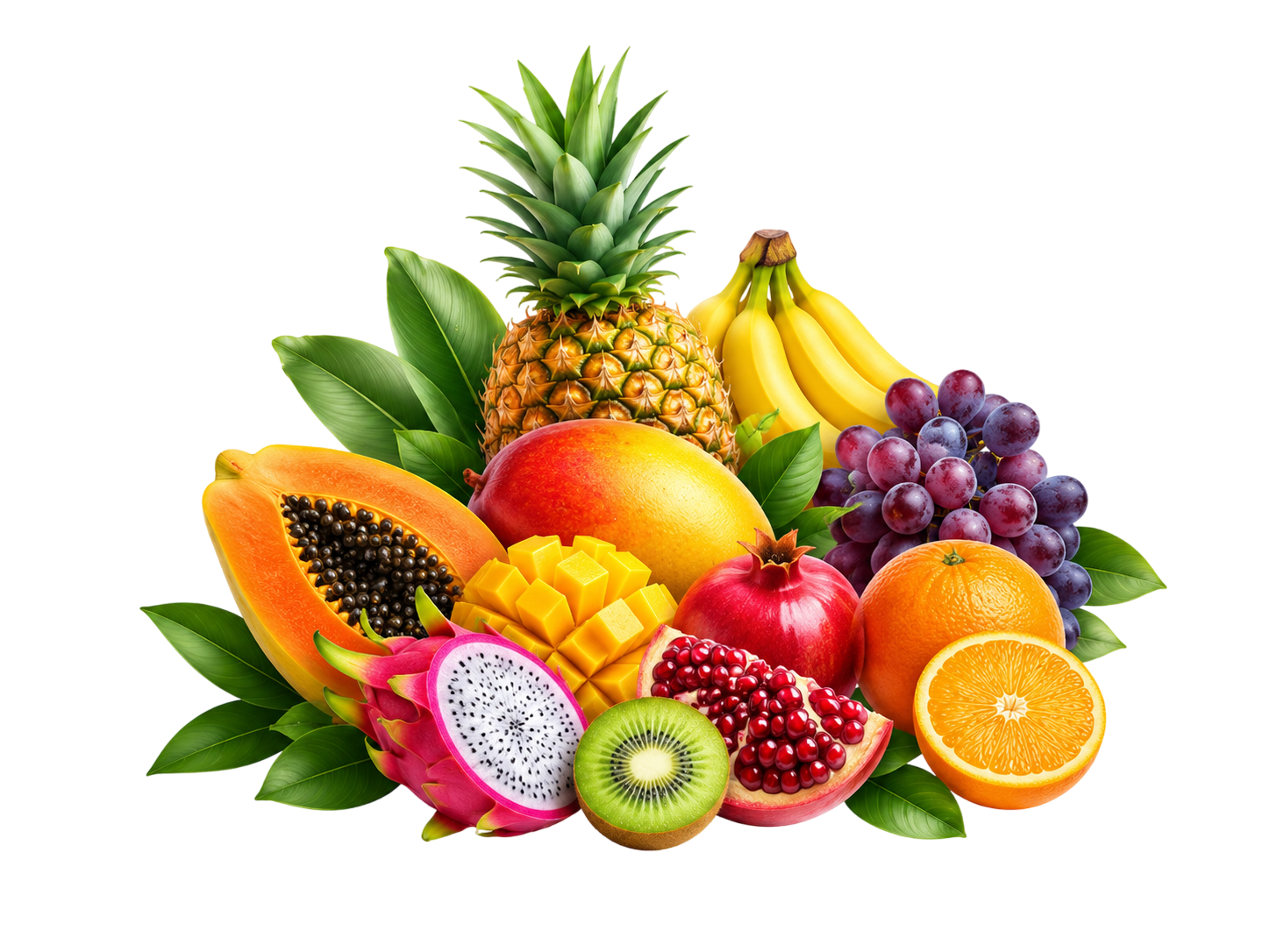
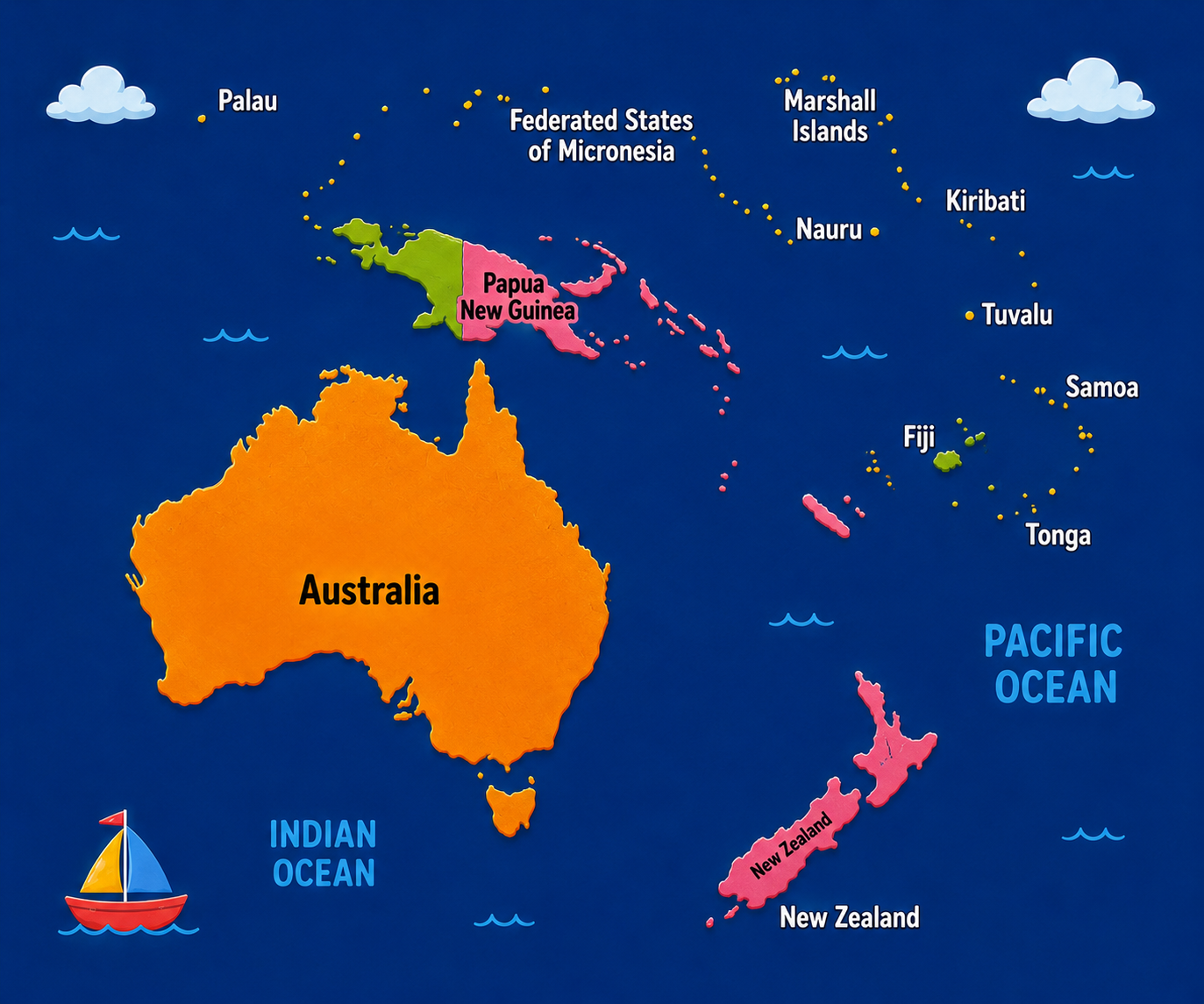
This page is the continent-level starting point for Oceania. It helps users move from a large regional view into country-wise fruit discovery. Each country link opens a focused page where users can explore fruits connected with that location.
The purpose of this page is not to repeat fruit details from country pages or fruit pages. Instead, it works as a clean navigation page that connects the world map, country pages and individual fruit story pages.
Users can start from the Oceania map and choose a country from the list. This makes the website easier to use because visitors can follow a clear path instead of searching through unrelated pages.
Every country link is designed to open a dedicated country page. The country page will show fruits connected with that country, along with internal links to individual fruit story pages.
The continent page does not explain every fruit in detail. That detailed information belongs on the fruit story page. This keeps the site clean, organized and professional.
This page supports a proper SEO structure: world map page, continent page, country page and fruit story page. Each level has a different role, so the content does not become repeated.
Oceania is one of the world's most unique fruit regions. Although it is the smallest inhabited continent by land area, it contains an extraordinary variety of environments ranging from the deserts of Australia and the temperate landscapes of New Zealand to the tropical islands of the Pacific Ocean. These diverse ecosystems support a wide range of fruit species, many of which are found nowhere else on Earth.
Oceania's fruit history is closely connected with Indigenous cultures, island traditions, migration routes and environmental adaptation. For thousands of years, Indigenous Australians and Pacific Island communities relied on native fruits, palms, nuts and tropical crops as important food sources. Their knowledge helped communities survive in environments that ranged from dry inland regions to tropical coastal forests.
Modern Oceania combines traditional food knowledge with advanced agriculture. Australia and New Zealand are major fruit producers and exporters, while Pacific Islands continue to maintain important cultural connections with fruits such as coconut, breadfruit, banana and pandanus. These fruits are more than foods; they are part of local identity, history and community life.
The region's climate diversity supports both tropical and temperate fruit production. Tropical islands produce coconuts, bananas, papayas and breadfruit, while cooler areas support apples, kiwifruit, cherries, berries and grapes. This variety makes Oceania an important region for understanding how climate influences fruit cultivation.
Oceania also contains remarkable native fruit biodiversity. Australian native fruits such as finger lime, Davidson plum and quandong have attracted increasing attention because of their unique flavors, environmental resilience and cultural significance. These fruits demonstrate how native species can contribute to modern food systems while preserving Indigenous heritage.
This Oceania fruit guide introduces visitors to the continent's fruit history, farming traditions and cultural connections. By exploring continent pages, country pages and individual fruit stories, users can better understand the rich agricultural heritage of this remarkable region.
Oceania has important fruit stories because it combines isolation, biodiversity and cultural diversity in ways rarely seen elsewhere. Many native fruits evolved in environments separated from other continents for millions of years. This isolation created unique species adapted to local climates and ecosystems.
Indigenous communities across Australia and the Pacific developed extensive knowledge of edible plants and fruits long before modern agriculture arrived. Their understanding of seasonal harvests, environmental management and sustainable food systems remains an important part of Oceania's agricultural heritage.
Pacific Island societies also developed fruit-centered food cultures. Coconut, breadfruit, banana and other tropical crops became essential resources that supported growing populations across remote island environments. These crops influenced settlement patterns, trade networks and cultural traditions throughout the Pacific.
European exploration later introduced additional fruit species to Oceania. Apples, grapes, citrus fruits and stone fruits became important in Australia and New Zealand. Over time, these crops were adapted to local conditions and became major agricultural industries.
Today Oceania's fruit industries support local food systems, international exports, tourism and environmental education. The region's fruit stories help visitors understand the connections between biodiversity, climate adaptation, Indigenous knowledge and modern agriculture.
Australia is home to one of the world's most unique collections of native fruits. Because the continent was geographically isolated for millions of years, many plant species evolved independently from those found in other parts of the world. This long period of isolation created fruits with unusual flavors, distinctive appearances and remarkable adaptations to Australia's diverse environments.
Native Australian fruits grow across a wide range of landscapes including tropical rainforests, coastal regions, deserts, savannas and temperate woodlands. Some species thrive in extremely dry conditions, while others depend on tropical rainfall and fertile soils. These adaptations demonstrate the resilience and diversity of Australia's native plant life.
Indigenous Australians have used native fruits for tens of thousands of years. Traditional knowledge helped communities identify edible species, understand seasonal harvest cycles and manage natural resources sustainably. Fruits were often gathered from wild landscapes and formed part of broader food systems sometimes referred to as bush foods or bush tucker.
Native fruits such as finger lime, Davidson plum, quandong, riberry, muntries and desert lime are increasingly attracting attention from chefs, researchers and food producers. Their unique flavors have inspired new culinary products while helping raise awareness about Indigenous food traditions and biodiversity conservation.
Many Australian native fruits are rich in nutrients and adapted to challenging environmental conditions. Researchers continue studying their agricultural potential, nutritional value and suitability for sustainable farming systems. Some species may play important roles in future climate-resilient agriculture because they have evolved under harsh environmental conditions.
Modern interest in native fruits has created economic opportunities for Indigenous communities, farmers and specialty food businesses. Sustainable harvesting and cultivation can help support local economies while encouraging conservation of native ecosystems.
Australian native fruits also provide educational value. They demonstrate how geography, climate and evolution influence biodiversity. Learning about these fruits helps visitors understand why Australia contains so many unique plant species and why preserving native ecosystems is important.
The story of Australian native fruits is ultimately a story about adaptation, cultural knowledge and environmental diversity. These fruits connect ancient traditions with modern agriculture while highlighting the remarkable biological heritage of Oceania.
Finger lime is one of Australia's most famous native fruits and has become an internationally recognized symbol of Australian food innovation. Native to the subtropical rainforests of eastern Australia, finger lime grows on thorny shrubs and produces elongated fruits filled with small juice-filled vesicles that resemble tiny pearls.
Indigenous Australians were familiar with finger lime long before it became known to international markets. The fruit was gathered from natural environments and valued as part of traditional food systems. Knowledge about its location, seasonality and uses was passed through generations and formed part of broader environmental understanding.
Finger lime differs from conventional citrus fruits because of its unique internal structure. When the fruit is opened, small juice vesicles spill out, creating a texture often compared to caviar. Because of this appearance, finger lime is sometimes called "citrus caviar" in culinary settings.
The flavor of finger lime can vary between varieties. Some are highly acidic and refreshing, while others offer more complex citrus notes. Natural variation has encouraged breeding programs aimed at developing fruits with different colors, flavors and growing characteristics.
Modern chefs have embraced finger lime because of its visual appeal and distinctive flavor. The fruit is used in seafood dishes, desserts, beverages, sauces and gourmet products. Its popularity has helped introduce international audiences to Australian native foods.
Commercial cultivation of finger lime has expanded over recent decades. Farmers now grow finger lime orchards in suitable climates, producing fruits for domestic and export markets. These orchards contribute to agricultural diversification and create opportunities for specialty fruit industries.
Finger lime also has environmental significance. As a native species, it demonstrates how local plants can contribute to sustainable agriculture. Native crops often possess adaptations that allow them to perform well under regional conditions, potentially reducing the need for intensive inputs.
The growing popularity of finger lime highlights the importance of respecting Indigenous knowledge and recognizing the cultural origins of native foods. Educational fruit pages should explain not only the fruit's appearance and flavor but also its connection to Australia's long history of Indigenous stewardship.
Today finger lime serves as a bridge between traditional knowledge and modern food culture. It illustrates how native fruits can move from local landscapes to global recognition while maintaining strong connections to their original environments and cultural heritage.
Davidson plum is one of Australia's most distinctive native fruits and is closely associated with the rainforests of eastern Australia. Unlike many commercial plums found in supermarkets, Davidson plum belongs to a unique group of native species that evolved in Australia's rainforest ecosystems over long periods of time. The fruit is known for its deep purple color, tart flavor and strong cultural significance within Australia's native food heritage.
Indigenous Australians have long understood the value of rainforest fruits such as Davidson plum. Traditional knowledge helped communities identify fruiting seasons, locate productive trees and use native fruits as part of broader food systems. This knowledge was developed through close observation of the environment and passed through generations.
Davidson plum trees grow naturally in humid rainforest environments where rainfall is relatively abundant. These forests support many unique plant species, making them important centers of biodiversity. The fruit itself is usually round and dark purple, with brightly colored flesh that contains natural acids and pigments.
One reason Davidson plum has become increasingly popular is its distinctive flavor. The fruit is naturally tart, making it less common as a simple fresh-eating fruit. Instead, it is often used in jams, sauces, desserts, beverages and specialty food products. Its strong flavor allows chefs and food producers to create products that highlight Australia's native ingredients.
Modern interest in Davidson plum has encouraged research into cultivation methods and commercial opportunities. Farmers have begun growing the fruit beyond its natural rainforest habitats, helping increase availability while reducing pressure on wild populations. Sustainable cultivation also creates economic opportunities for regional communities.
The fruit's deep color has attracted attention from food manufacturers and researchers interested in natural ingredients. Davidson plum is often used to add color, flavor and uniqueness to premium food products. Its popularity demonstrates how native fruits can find new markets while maintaining connections to their ecological origins.
Conservation remains an important part of the Davidson plum story. Protecting rainforest ecosystems helps preserve not only individual fruit species but also the wider biodiversity that supports healthy environments. Native fruits often depend on complex ecological relationships involving insects, birds, mammals and other plants.
Davidson plum traditions illustrate how Indigenous knowledge, biodiversity and modern agriculture can work together. The fruit serves as an example of how native species can contribute to sustainable food systems while preserving cultural heritage and environmental values.
For visitors learning about Oceania fruit origins, Davidson plum provides insight into Australia's unique plant life and demonstrates why native fruits are becoming increasingly important within both local and international food industries.
Quandong is one of Australia's most culturally significant native fruits and is strongly connected with Indigenous knowledge systems. The fruit grows in arid and semi-arid regions where environmental conditions can be challenging. Its ability to survive in dry landscapes makes it an important example of adaptation and resilience within Australian ecosystems.
Indigenous Australians have used quandong for thousands of years. The fruit provided food, while other parts of the plant could be used for practical and cultural purposes. Knowledge about harvesting, preparation and seasonal availability formed part of broader environmental understanding that helped communities live successfully in diverse landscapes.
Quandong trees are well adapted to Australia's dry environments. They can tolerate limited rainfall and harsh conditions that would challenge many other fruit species. This resilience has made quandong increasingly interesting to researchers exploring climate-adapted crops and sustainable agricultural systems.
The fruit itself is often bright red when ripe and contains a large seed at its center. Its flavor combines sweetness and tartness, making it suitable for jams, chutneys, sauces, desserts and specialty foods. Modern chefs frequently use quandong to showcase Australian native ingredients and create distinctive regional dishes.
Indigenous knowledge plays a central role in understanding quandong. Traditional ecological knowledge includes information about where the trees grow, when fruits are ready for harvest and how they fit within broader environmental cycles. Respecting and recognizing this knowledge is essential when discussing native foods and their histories.
Commercial cultivation of quandong has expanded as interest in native foods grows. Farmers and food businesses see potential in producing fruits that are uniquely Australian while supporting sustainable agriculture. Because quandong is adapted to dry conditions, it may offer opportunities for future farming systems facing water limitations.
Quandong also highlights the relationship between people and landscapes. Indigenous communities developed food systems that worked with local ecosystems rather than attempting to completely transform them. This approach offers valuable lessons about sustainability and long-term environmental stewardship.
Educationally, quandong helps visitors understand that fruit history is not only about agriculture and trade. It is also about culture, environmental knowledge and adaptation. The fruit provides a tangible example of how communities learned to use local resources while maintaining ecological balance.
Today, quandong remains an important symbol of Australia's native food heritage. It connects modern consumers with ancient traditions and demonstrates how Indigenous knowledge continues to influence contemporary discussions about food, sustainability and biodiversity.
Pacific Island fruit culture is one of the most fascinating parts of Oceania's agricultural heritage. Spread across thousands of islands in the Pacific Ocean, communities developed food systems that relied heavily on fruits, root crops and marine resources. Because many islands were isolated from large continental landmasses, people learned to use local fruit species efficiently and sustainably.
Fruits became important because they provided nutrition, seasonal variety and reliable food sources in tropical environments. Coconut, breadfruit, banana, papaya, pandanus and various native fruits played essential roles in daily life. These fruits were not simply occasional foods. In many communities they formed a central part of traditional diets and cultural identity.
Pacific Island agriculture often combined multiple fruit trees within the same landscape. Coconut palms might grow alongside breadfruit trees, bananas, papayas and other useful plants. This approach created productive food systems that supported families while helping protect soil and maintain biodiversity.
Fruit traditions were closely linked to community knowledge. People understood when fruits ripened, how they should be harvested and the best methods for preserving them. Seasonal calendars often reflected fruit harvest periods, helping communities plan food production throughout the year.
Many Pacific Island societies also developed preservation techniques to ensure food security during storms, droughts or periods when fresh harvests were limited. Fruits could be dried, fermented or processed into forms that lasted longer than fresh produce.
Fruit trees often held cultural significance beyond their practical value. Certain species were associated with ceremonies, family traditions and community gatherings. Planting fruit trees could represent long-term investment in future generations because some trees continued producing food for decades.
Trade between islands also contributed to fruit diversity. Voyagers carried planting materials, seeds and useful crops during ocean journeys. These movements helped spread important fruit species throughout the Pacific and created connections between distant communities.
Modern Pacific Island fruit culture continues to balance tradition and change. While imported foods have become more common in some areas, many communities still value local fruits and traditional agricultural knowledge. Efforts to preserve fruit heritage are increasingly recognized as important for nutrition, cultural identity and environmental sustainability.
Understanding Pacific Island fruit culture helps visitors appreciate how fruits can shape societies, support communities and strengthen cultural traditions across generations.
Breadfruit and coconut are two of the most important fruits in Pacific Island history. Together they helped support communities across thousands of islands and became essential components of traditional food systems. Their importance extends beyond nutrition because they influenced settlement patterns, trade networks and cultural practices throughout Oceania.
Breadfruit is a large tropical fruit that grows on productive trees capable of producing significant harvests. In many Pacific communities, breadfruit became a staple food because of its versatility and reliability. The fruit can be roasted, baked, boiled, fried or processed into other foods. Different preparation methods allowed communities to use breadfruit throughout various stages of ripeness.
One reason breadfruit became so important is that mature trees can produce large quantities of food each year. This productivity made breadfruit a valuable resource for island societies where agricultural land was sometimes limited. A healthy breadfruit tree could support families for many years while requiring relatively low maintenance once established.
Coconut is equally significant and is often called the “tree of life” in many Pacific cultures. Nearly every part of the coconut palm can be used. The fruit provides water, food and oil, while other parts of the tree supply materials for construction, tools, ropes, baskets and traditional crafts.
Coconut palms are remarkably adapted to island environments. They tolerate sandy soils, coastal conditions and salt exposure better than many other crops. Their ability to thrive near beaches helped make them one of the most widespread and valuable plants across Oceania.
Coconut water provides hydration, while coconut flesh is used in countless recipes. Coconut milk and coconut cream are important ingredients in many Pacific dishes. These products contribute flavor, nutrition and versatility to local cuisines.
Breadfruit and coconut often grow together within traditional agroforestry systems. Farmers combine different fruit trees and useful plants to create productive landscapes that mimic natural ecosystems. These systems improve resilience and help maintain soil fertility while providing diverse food resources.
The stories of breadfruit and coconut also reveal the importance of ocean travel in Pacific history. Early navigators carried planting materials as they settled new islands. Bringing reliable food crops was essential for establishing successful communities across vast distances.
Today, breadfruit and coconut remain important for food security, cultural identity and economic development. Researchers are studying their potential contributions to sustainable agriculture and climate adaptation, while communities continue preserving traditional knowledge associated with their cultivation and use.
Learning about breadfruit and coconut helps visitors understand how fruits can influence entire civilizations. These fruits demonstrate the close relationship between agriculture, environment and culture throughout Oceania's history.
Tropical island agriculture is one of the defining features of Oceania's food systems. Across the Pacific Ocean, thousands of islands support farming practices that have evolved over centuries to meet local environmental conditions. Farmers learned how to cultivate crops in areas with limited land, seasonal rainfall, coastal influences and varying soil types. Fruit trees became especially important because they provided reliable food sources while helping protect landscapes from erosion and environmental stress.
Many tropical island farms are based on mixed agricultural systems. Instead of planting a single crop over large areas, farmers often combine coconuts, breadfruit, bananas, papayas, citrus fruits and root crops within the same landscape. This diversity helps improve resilience, reduce risks and provide food throughout the year.
Island agriculture is closely connected with climate. Warm temperatures and abundant sunshine support continuous plant growth, while seasonal rainfall influences planting and harvesting schedules. Farmers must carefully manage water resources and protect crops from storms, strong winds and coastal weather events.
Fruit trees play an especially important role because they provide long-term productivity. A mature coconut or breadfruit tree can produce harvests for many years, helping support families and communities across generations. These trees also provide shade, habitat and environmental benefits.
Traditional agricultural knowledge remains valuable today. Communities continue to use local expertise to manage fruit crops, maintain soil fertility and preserve important plant varieties. This knowledge contributes to food security and helps protect cultural heritage.
Modern agricultural programs increasingly recognize the value of traditional island farming systems. By combining scientific research with local knowledge, farmers can improve productivity while maintaining environmental sustainability.
Tropical island agriculture demonstrates how communities adapt food production to unique environments. It highlights the importance of diversity, resilience and long-term stewardship in successful agricultural systems.
New Zealand is one of Oceania's most important fruit-producing countries and is internationally known for high-quality agricultural products. Unlike many tropical Pacific islands, New Zealand has a temperate climate that supports orchard fruits, berries, grapes and specialty crops. The country's diverse landscapes create favorable conditions for fruit farming across multiple regions.
Kiwifruit is perhaps New Zealand's most famous fruit export. Although the fruit originally has roots in Asia, New Zealand played a major role in developing commercial production systems and introducing the fruit to global markets. Today, kiwifruit remains one of the country's most recognizable agricultural products.
Apples are another major crop. New Zealand apple growers produce a wide range of varieties for domestic and export markets. Favorable growing conditions, advanced orchard management and strict quality standards help maintain the country's reputation for premium fruit production.
Cherry production has expanded in several regions, particularly in areas with suitable climatic conditions. New Zealand cherries are highly valued in international markets because of their quality and seasonal availability.
Berry farming is also important. Blueberries, strawberries, raspberries and other berries contribute to local food systems and agricultural diversity. These crops support fresh markets, processing industries and tourism activities.
Vineyards are another notable feature of New Zealand agriculture. While grapes are often associated with wine production, they also contribute to the country's broader fruit-growing heritage. Vineyard regions demonstrate how climate and geography influence agricultural specialization.
New Zealand's fruit regions show how temperate climates can support highly productive agricultural systems. They provide an interesting contrast to the tropical fruit traditions found elsewhere in Oceania.
Modern fruit production in Oceania combines traditional knowledge, scientific research and advanced agricultural technology. Australia and New Zealand have developed highly productive fruit industries that supply both domestic consumers and international markets. At the same time, Pacific Island communities continue to rely on local fruit systems that support food security and cultural traditions.
Australia produces a wide variety of fruits including citrus fruits, grapes, mangoes, bananas, apples, pears, stone fruits and native specialty crops. Different regions specialize in different fruits depending on climate, water availability and market opportunities.
New Zealand focuses heavily on apples, kiwifruit, cherries, berries and grapes. Export industries are especially important because agricultural products contribute significantly to the national economy.
Technology plays a growing role in fruit production. Irrigation systems, precision agriculture, pest management programs, cold storage facilities and advanced transportation networks help improve efficiency and maintain product quality.
Sustainability is increasingly important throughout Oceania. Farmers are adopting practices that protect soil health, conserve water and reduce environmental impacts while maintaining productivity. These efforts help ensure long-term agricultural success.
Modern fruit industries also create opportunities for research and innovation. Scientists continue developing improved fruit varieties, studying climate adaptation strategies and exploring new production techniques.
The success of modern fruit production demonstrates how Oceania balances agricultural growth with environmental responsibility and cultural heritage.
Climate strongly influences fruit farming across Oceania. The region contains tropical islands, temperate agricultural zones, dry inland areas and coastal environments, each supporting different crops and farming methods.
Tropical climates support coconuts, breadfruit, bananas, papayas and many other island fruits. Warm temperatures and abundant sunshine allow year-round growth, although seasonal rainfall patterns influence production cycles.
Temperate climates in New Zealand and parts of southern Australia support apples, pears, cherries, berries and grapes. These crops benefit from seasonal temperature changes that help regulate flowering and fruit development.
Australia's interior presents unique challenges because of limited rainfall and extreme temperatures. Farmers must use efficient water management systems and select crops suited to local conditions.
Climate change is creating new challenges across Oceania. Rising temperatures, changing rainfall patterns, droughts, storms and sea-level impacts may affect agricultural productivity. Farmers are responding through innovation, crop diversification and improved environmental management.
Understanding climate helps explain why fruit traditions vary so greatly across Oceania. It also highlights the adaptability of communities that have developed successful agricultural systems in a wide range of environments.
Oceania fruit stories provide valuable educational opportunities because they connect geography, biodiversity, culture, agriculture and environmental science. Fruits offer practical examples of how people adapt food production to different climates and ecosystems.
Students can learn about biodiversity through Australian native fruits, island agriculture through Pacific food systems and climate adaptation through farming practices developed in challenging environments.
Fruit stories also highlight the importance of Indigenous knowledge. Traditional understanding of plants, seasons and environmental management contributed significantly to successful food systems throughout Oceania.
These stories encourage appreciation for cultural diversity and environmental stewardship. They show how agriculture can support both communities and ecosystems when managed responsibly.
For children and families, fruit stories transform geography and history into engaging learning experiences. A simple fruit can become a gateway to understanding climate, culture, biodiversity and sustainability.
Why is Oceania important for fruit origins?
Oceania contains unique native fruits, tropical island food systems and diverse agricultural traditions that contribute significantly to global fruit culture.
Which fruits are native to Australia?
Finger lime, Davidson plum, quandong, riberry, muntries and desert lime are among Australia's well-known native fruits.
Why is finger lime famous?
Finger lime is known for its citrus-flavored juice vesicles, often called "citrus caviar," and has become popular in international cuisine.
What is the importance of breadfruit?
Breadfruit has served as a staple food for many Pacific Island communities because of its productivity and versatility.
Why are coconuts important in Oceania?
Coconut palms provide food, water, oil and materials for construction and traditional crafts.
What is New Zealand's most famous fruit export?
Kiwifruit is one of New Zealand's most internationally recognized fruit exports.
How does climate affect fruit farming in Oceania?
Tropical regions support island fruits, while temperate climates support orchard crops such as apples, cherries and berries.
Why are country pages important?
Country pages help explain local fruit traditions, climates and farming systems in greater detail.
What can visitors learn from Oceania fruit stories?
Visitors can learn about biodiversity, Indigenous knowledge, agriculture, climate adaptation and cultural heritage.
How should users explore Oceania fruit content?
Start with the continent page, continue to country pages and then explore individual fruit pages for detailed information.