🌍 Fruit Region Navigation
Users can start from the South America map and choose a country from the list. This makes the website easier to use because visitors can follow a clear path instead of searching through unrelated pages.
Explore fruit origins, country-wise fruits and regional fruit stories from South America.
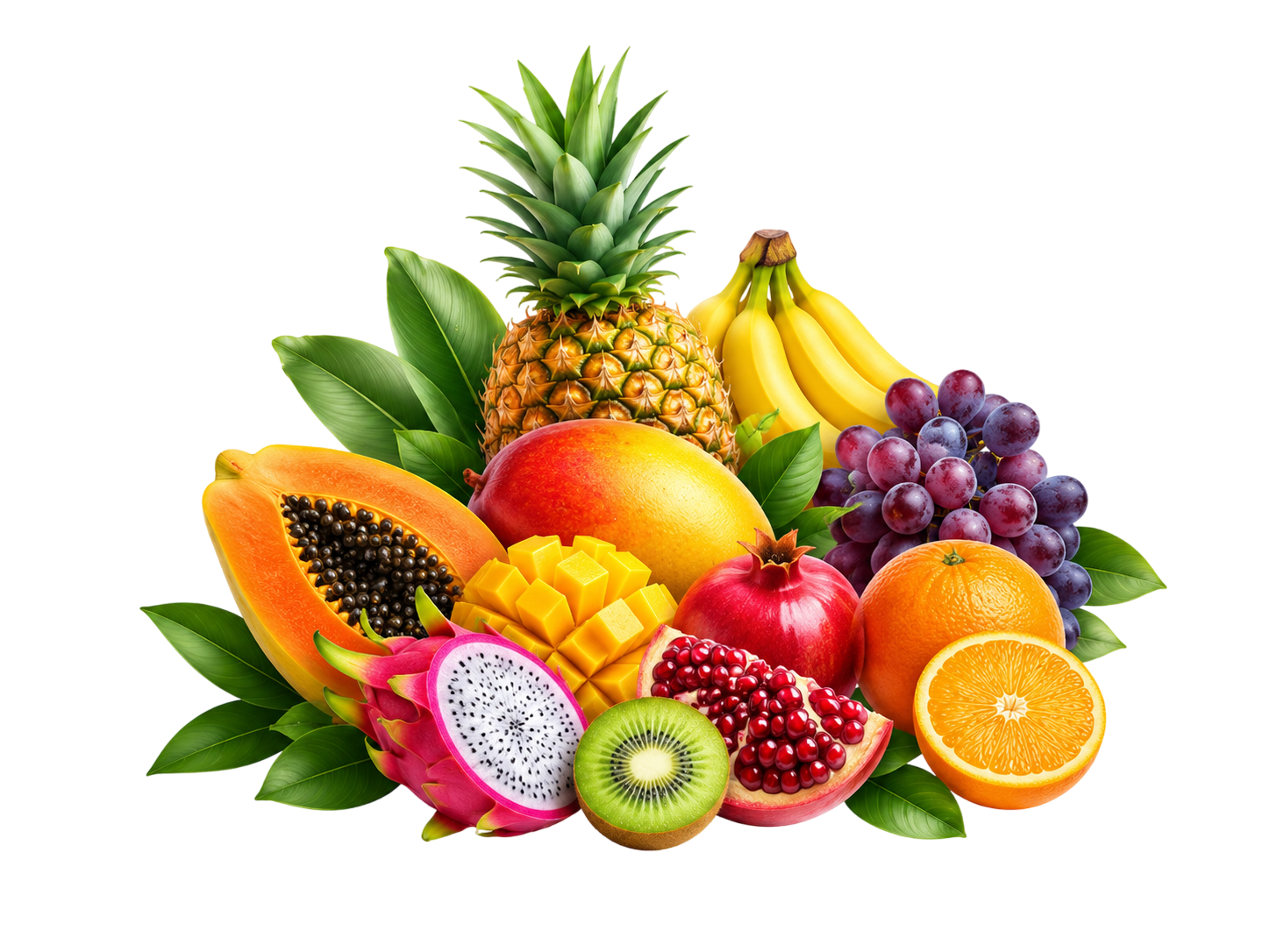
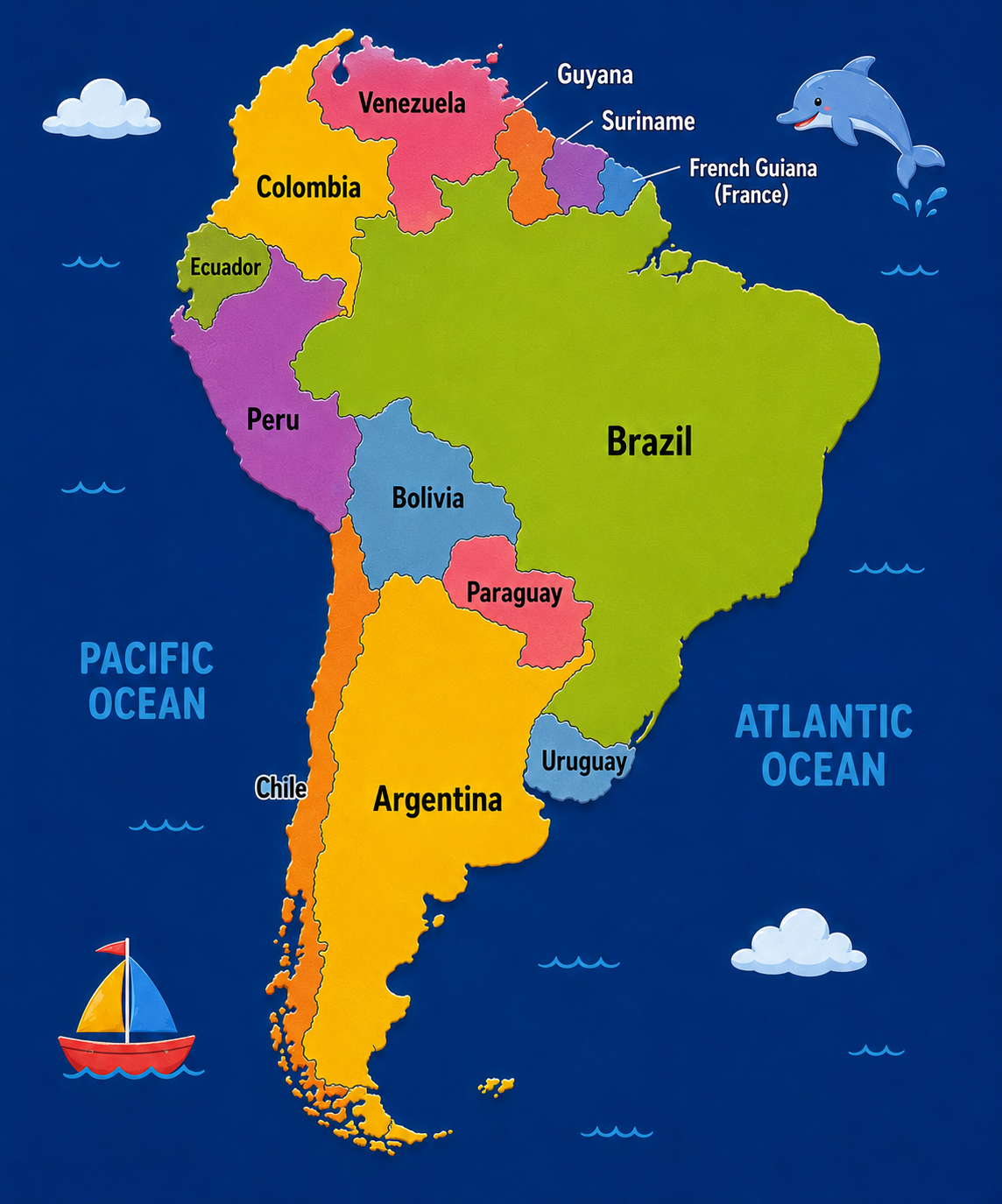
This page is the continent-level starting point for South America. It helps users move from a large regional view into country-wise fruit discovery. Each country link opens a focused page where users can explore fruits connected with that location.
The purpose of this page is not to repeat fruit details from country pages or fruit pages. Instead, it works as a clean navigation page that connects the world map, country pages and individual fruit story pages.
Users can start from the South America map and choose a country from the list. This makes the website easier to use because visitors can follow a clear path instead of searching through unrelated pages.
Every country link is designed to open a dedicated country page. The country page will show fruits connected with that country, along with internal links to individual fruit story pages.
The continent page does not explain every fruit in detail. That detailed information belongs on the fruit story page. This keeps the site clean, organized and professional.
This page supports a proper SEO structure: world map page, continent page, country page and fruit story page. Each level has a different role, so the content does not become repeated.
South America is one of the richest fruit regions on Earth and is home to some of the world's most diverse tropical ecosystems. From the Amazon Rainforest and Atlantic Forest to the Andes Mountains, coastal plains and fertile river valleys, the continent contains environments that support thousands of fruit species. Many fruits enjoyed around the world today either originated in South America or became closely associated with South American agriculture through centuries of cultivation and trade.
The continent stretches from tropical regions near the equator to cooler temperate areas in the south. This geographical diversity allows South America to support an extraordinary range of fruit crops. Tropical fruits such as acai, guava, passion fruit, papaya, pineapple and numerous rainforest fruits thrive in warm humid environments. Temperate regions support grapes, apples, pears, cherries and berries. Mountain valleys provide unique growing conditions that support specialty fruits adapted to higher elevations.
South America's fruit history begins long before modern agriculture. Indigenous communities cultivated, managed and traded fruit resources across forests, river systems and mountain regions for thousands of years. Traditional knowledge helped communities identify edible species, preserve harvests and establish sustainable food systems that worked in harmony with local ecosystems.
Many fruits that are now common around the world have strong connections to South America. Pineapple, passion fruit, guava, several citrus relatives and countless lesser-known rainforest fruits have historical links to the continent. These fruits contribute to local diets, cultural traditions and economic development while supporting biodiversity and ecological health.
Trade and exploration significantly influenced South American fruit culture. As European explorers arrived, fruit crops moved between continents. Some South American fruits spread globally, while new crops arrived from Europe, Africa and Asia. Over time these exchanges created a diverse agricultural landscape that combined indigenous traditions with international influences.
Today South America is a major producer and exporter of fruits. Countries such as Brazil, Chile, Peru, Colombia, Ecuador and Argentina supply fresh fruits and processed fruit products to markets around the world. Modern farming systems work alongside traditional agricultural practices, creating a unique blend of innovation and heritage.
This South America fruit explorer page provides an overview of the continent's fruit heritage. Visitors can begin here before exploring individual country pages and fruit-specific stories. This structure helps users understand the broader regional context while discovering the unique agricultural traditions of each country.
Learning about South American fruits also provides insight into biodiversity conservation, climate adaptation and sustainable agriculture. The continent's fruit story is not only about food but also about the relationship between people, landscapes and ecosystems.
South America has important fruit stories because it contains some of the world's most biologically diverse environments. The Amazon Rainforest alone supports thousands of plant species, many of which produce edible fruits used by local communities and wildlife. River systems, tropical forests, mountain valleys and coastal regions each contribute unique fruit traditions.
Indigenous knowledge plays a major role in South American fruit history. Long before global trade networks existed, local communities understood how to identify, cultivate and use fruits for food, medicine and cultural purposes. This knowledge helped establish sustainable food systems that continue to influence modern agriculture.
South America is also important because many globally recognized fruits either originated on the continent or became closely connected with its agricultural traditions. Passion fruit, pineapple, guava and acai are just a few examples of fruits that have gained international popularity while maintaining strong links to South American environments.
Climate diversity further strengthens South America's fruit importance. Tropical lowlands support rainforest fruits, subtropical regions grow citrus and specialty crops, while temperate zones produce grapes, apples and pears. This variety allows farmers to cultivate a wide range of fruits across different landscapes.
Fruit stories in South America also reflect cultural diversity. Indigenous traditions, European influences, African heritage and modern globalization all contributed to the continent's food culture. Markets, festivals, family recipes and local farming practices help preserve these traditions while supporting contemporary agriculture.
Modern fruit industries continue to expand throughout South America. Export markets create opportunities for growers while introducing international consumers to fruits that originated in the region. These industries demonstrate how traditional agricultural knowledge can support modern economic development.
Understanding South American fruit stories helps visitors appreciate the connections between biodiversity, culture, history and agriculture. These stories reveal how fruits can shape economies, support communities and contribute to environmental sustainability.
The Amazon Rainforest is one of the most important fruit regions in the world. It spreads across several South American countries, including Brazil, Peru, Colombia, Ecuador, Bolivia, Venezuela, Guyana, Suriname and French Guiana. This enormous tropical forest contains thousands of plant species, many of which produce edible fruits used by people, animals and local ecosystems.
Amazon fruits are important because they show how biodiversity supports food culture. Many fruits found in the Amazon are not common in global supermarkets, but they are deeply valuable to local communities. These fruits may be eaten fresh, turned into drinks, used in traditional foods or sold in local markets.
Fruits such as acai, cupuacu, camu camu, bacuri, buriti and many palm fruits are strongly connected with Amazonian food traditions. Some are harvested from wild or semi-wild trees, while others are cultivated by farmers using forest-friendly agricultural systems.
The Amazon also shows how fruits support wildlife. Birds, monkeys, bats, insects and many other animals depend on fruiting trees for food. In return, many animals help spread seeds through the forest. This natural relationship supports forest regeneration and keeps the ecosystem healthy.
Local communities have developed deep knowledge about when fruits ripen, where they grow and how they should be harvested. This knowledge is important because many Amazon fruits are seasonal. A fruit may be abundant for a short period and then disappear until the next harvest season.
Amazon fruit harvesting can also support sustainable livelihoods. When fruits are collected responsibly, communities can earn income while keeping forests standing. This is important because it shows that fruit resources can have economic value without destroying natural ecosystems.
For a fruit origin website, the Amazon is essential because it helps users understand that fruit history is not only about farms and orchards. It is also about forests, rivers, Indigenous knowledge, biodiversity and conservation. The Amazon fruit story connects food with ecology in a powerful way.
Acai is one of the most famous fruits connected with South America, especially the Amazon region of Brazil. It grows on acai palm trees in wet tropical areas and has been used by Indigenous and local communities for generations. Before becoming internationally popular, acai was already an important everyday food in many Amazonian communities.
Acai berries are small, dark purple fruits with a rich flavor. They are usually processed into a thick pulp because the edible portion is limited around a large seed. In Amazonian food culture, acai pulp is often eaten with cassava flour, fish, tapioca or other local foods. This shows that acai is not only a sweet smoothie ingredient. It has a deeper traditional role as a staple food in some regions.
Indigenous fruit traditions in South America are much wider than acai alone. Many communities have long used fruits from forests, riverbanks, mountains and savannas. These fruits may provide vitamins, energy, flavor, medicine-style uses and seasonal variety. Traditional knowledge helps communities understand which fruits are edible, when to harvest them and how to prepare them safely.
Acai became globally popular because of its color, flavor and nutritional image. Today it is used in smoothie bowls, juices, frozen pulp, powders and health-focused foods. However, it is important to explain its origin respectfully. Acai should not be presented only as a modern trend. It belongs to a much older Amazonian food tradition.
The growth of acai markets has created income opportunities for many families in the Amazon. Harvesters climb palm trees or collect fruit clusters and sell them to local processors. When managed carefully, acai production can support forest-based economies and reduce pressure to clear land.
At the same time, increased demand creates challenges. Sustainable harvesting, fair prices, forest protection and respect for local communities are important. A strong educational fruit page should explain both the economic opportunity and the responsibility connected with popular fruits like acai.
Acai helps users understand how a regional fruit can become globally known while still remaining deeply tied to its original landscape. It is a perfect example of how South American fruit stories connect Indigenous knowledge, rainforest ecology, local diets and modern international markets.
Passion fruit is one of the most recognizable fruits associated with South America. Known for its fragrant aroma, vibrant flavor and distinctive appearance, passion fruit has been cultivated throughout tropical and subtropical regions of the continent for centuries. Today it is grown in countries such as Brazil, Colombia, Peru, Ecuador, Paraguay and Venezuela, where it remains an important part of local agriculture and food culture.
The fruit grows on climbing vines that thrive in warm climates with abundant sunlight and moderate rainfall. Passion fruit plants produce beautiful flowers and round or oval fruits filled with aromatic pulp and edible seeds. The balance of sweetness and acidity makes passion fruit popular for juices, desserts, sauces and fresh consumption.
South American farmers value passion fruit because it can be grown on relatively small farms while producing significant harvests. The fruit's popularity in domestic and export markets creates opportunities for rural communities and supports local agricultural economies.
Brazil is one of the world's largest producers of passion fruit. The fruit is widely used in beverages, sweets and traditional recipes. In many regions, passion fruit juice is a common refreshment enjoyed throughout the year. Other countries have developed their own varieties and cultivation methods suited to local climates and market demands.
Passion fruit also demonstrates how biodiversity contributes to agricultural development. Numerous species and varieties exist, offering different flavors, colors and growing characteristics. This diversity provides opportunities for plant breeding, adaptation and sustainable production.
The international popularity of passion fruit has increased demand for exports and processed products. Frozen pulp, concentrates and ready-to-drink beverages now reach consumers far beyond South America. Despite this global success, the fruit remains closely connected to the landscapes and farming traditions where it has been cultivated for generations.
Learning about passion fruit helps visitors understand how a native South American crop evolved from a regional fruit into an internationally recognized agricultural product. It also highlights the importance of tropical agriculture and the cultural value of fruit cultivation throughout the continent.
Pineapple is one of South America's most famous fruit contributions to the world. Although it is now grown in many tropical countries, the fruit has deep historical connections to South America, where it was cultivated and used by Indigenous peoples long before international trade spread it across the globe.
Pineapple thrives in warm tropical climates and is well adapted to conditions found in many South American regions. The plant grows close to the ground and produces a single large fruit from the center of a rosette of leaves. Its sweet flavor, juicy texture and impressive appearance have made it one of the world's most recognizable fruits.
Indigenous communities understood pineapple cultivation long before European explorers arrived. The fruit was valued not only as a food source but also as part of local agricultural knowledge systems. Over time, explorers carried pineapple plants and growing techniques to other tropical regions, helping spread cultivation worldwide.
Modern pineapple farming is important in several South American countries. Producers supply fresh fruit, canned products, juices and processed foods to both domestic and international markets. Pineapple's popularity creates employment opportunities throughout farming, processing, transportation and retail sectors.
Tropical agriculture involves careful management of soil, rainfall, pests and harvest timing. Pineapple growers must balance productivity with environmental sustainability to ensure long-term success. Research and innovation continue to improve production methods while maintaining fruit quality.
Pineapple also plays a role in cultural traditions and regional cuisines. Fresh pineapple is commonly sold in markets, served in beverages and incorporated into local dishes. Its bright flavor and refreshing qualities make it especially popular in warm climates.
The story of pineapple demonstrates how South American agriculture has influenced global food culture. What began as a regional fruit eventually became an internationally traded commodity enjoyed by millions of people around the world.
Understanding pineapple history helps visitors appreciate the connections between exploration, agriculture, trade and cultural exchange. It is an excellent example of how South American fruit heritage continues to shape modern food systems.
The Andes Mountains form one of the longest mountain ranges in the world and create unique environments for fruit cultivation across South America. Stretching through countries such as Colombia, Ecuador, Peru, Bolivia, Chile and Argentina, the Andes support a remarkable variety of fruits adapted to different elevations and climatic conditions.
Mountain environments differ significantly from tropical lowlands. Cooler temperatures, strong sunlight, varied rainfall patterns and dramatic elevation changes create opportunities for specialized fruit production. Farmers have learned to use these conditions to grow fruits that thrive in highland landscapes.
Many Andean fruits are closely linked with local traditions and regional food culture. Some are grown in small-scale farming systems that have been maintained for generations. Others are increasingly reaching wider markets as consumers become interested in unique fruit varieties and traditional agricultural products.
Highland valleys often provide fertile soils and favorable growing conditions. Fruit farmers cultivate crops that benefit from cooler temperatures and slower ripening processes. These conditions can improve flavor development and fruit quality while creating distinct regional identities.
Mountain farming presents challenges as well as opportunities. Farmers must manage steep terrain, transportation difficulties and variable weather conditions. Despite these challenges, Andean agricultural communities have developed innovative techniques that allow fruit production to flourish in difficult environments.
The Andes also contribute to biodiversity. Different elevations support different fruit species, creating a mosaic of agricultural and ecological zones. This diversity helps preserve genetic resources and strengthens resilience against environmental change.
For educational purposes, Andean fruit systems demonstrate how geography influences agriculture. They show that fruit farming is not limited to tropical forests or coastal plains. Mountain regions can also become important centers of production, innovation and cultural heritage.
Exploring Andean mountain fruits helps visitors appreciate the complexity of South American agriculture and the ways communities adapt farming practices to unique environmental conditions.
Brazil is the largest country in South America and one of the most important fruit-producing nations in the world. Its vast territory includes the Amazon Rainforest, Atlantic Forest, savannas, wetlands, river systems and tropical coastlines. These diverse environments allow Brazil to grow an extraordinary variety of fruits, ranging from globally recognized crops to rare native species found only in specific ecosystems.
Fruit plays a major role in Brazilian daily life. Fresh fruits are commonly sold in local markets, roadside stands, supermarkets and neighborhood shops. Many people consume fruit as part of breakfast, snacks, desserts and beverages. Fruit juices are especially popular because Brazil produces a wide range of flavorful tropical fruits that can be transformed into refreshing drinks.
Brazil is famous for fruits such as acai, guava, papaya, passion fruit, mango, pineapple and cashew apple. In addition, hundreds of lesser-known native fruits remain important within local communities. These fruits contribute to regional cuisines and reflect the country's immense biodiversity.
The Amazon region provides unique fruits that are closely linked with Indigenous traditions and forest-based economies. The northeast supports tropical fruits adapted to warm climates, while southern Brazil produces grapes, apples and other temperate fruits. This combination of tropical and temperate production makes Brazil one of the most diverse fruit-growing countries on Earth.
Fruit farming contributes significantly to Brazil's economy. Commercial farms produce fruit for domestic consumption and export markets, while smallholder farmers supply local communities and regional markets. These agricultural systems create jobs, support rural livelihoods and contribute to national food security.
Cultural celebrations often include fruit-based foods and beverages. Traditional recipes, desserts and juices highlight the importance of locally available fruits. Different regions have developed their own specialties based on climate, agricultural history and local preferences.
Brazil's fruit culture demonstrates how biodiversity and agriculture can work together. The country's fruit heritage combines Indigenous knowledge, modern farming techniques, international trade and environmental diversity. This makes Brazil one of the most fascinating destinations for anyone interested in fruit origins and agricultural history.
Understanding Brazilian fruit culture helps visitors appreciate the scale of South America's agricultural diversity and the importance of preserving fruit species that contribute to food security, economic development and ecological sustainability.
Guava is one of the most important tropical fruits associated with South America. Known for its sweet aroma, distinctive flavor and nutritional value, guava has been cultivated and enjoyed across tropical regions for generations. It grows well in warm climates and adapts to a variety of soil conditions, making it a valuable crop for farmers throughout the continent.
Guava fruits vary in size, color and flavor depending on the variety. Some have white flesh, while others are pink or red inside. The fruit can be eaten fresh, processed into juice, used in desserts or transformed into preserves and candies. Its versatility has helped make it one of the most popular tropical fruits in many South American countries.
Beyond guava, South America contains remarkable tropical fruit diversity. The continent supports hundreds of fruit species adapted to rainforests, savannas, wetlands and coastal environments. Many of these fruits remain relatively unknown outside their regions, despite their cultural and nutritional importance.
Tropical fruit diversity is valuable because it strengthens agricultural resilience. Different species respond differently to pests, diseases and changing environmental conditions. Maintaining a wide range of fruit crops helps protect food systems and supports biodiversity conservation.
Local markets often showcase this diversity through seasonal displays of fruits that may not appear in international supermarkets. These markets provide opportunities for communities to preserve traditional food knowledge while supporting local farmers and producers.
Researchers continue to study tropical fruits for their nutritional benefits, agricultural potential and environmental value. Some fruits may offer opportunities for sustainable farming, climate adaptation and economic development in rural areas.
Guava serves as an excellent introduction to the broader story of tropical fruit diversity. Its popularity demonstrates how a regional fruit can achieve international recognition while remaining connected to its cultural origins. At the same time, it encourages visitors to explore the many lesser-known fruits that contribute to South America's rich agricultural heritage.
Learning about tropical fruit diversity helps users understand that fruit culture extends far beyond a handful of globally traded crops. South America's fruit landscapes are filled with unique species that continue to support communities, ecosystems and local economies.
Fruit trade and exploration have played major roles in shaping South America's agricultural history. Long before modern transportation systems existed, Indigenous communities exchanged fruits, seeds and agricultural knowledge through regional trade networks. These exchanges helped spread useful crops and strengthen connections between different communities.
The arrival of European explorers introduced new dynamics to fruit movement. Explorers encountered many fruits that were unfamiliar to people outside the continent. As trade routes expanded, some South American fruits were transported to Europe, Asia, Africa and other parts of the world. Over time, these fruits became established in new regions and contributed to global agriculture.
Pineapple is one of the most famous examples. Originally associated with tropical regions of South America, pineapple eventually spread across the tropics and became an internationally recognized fruit. Similar patterns occurred with other crops that gained popularity through exploration and trade.
Trade also worked in the opposite direction. New fruits arrived in South America from Europe, Africa and Asia. Farmers adapted these crops to local conditions, creating diverse agricultural systems that combined native and introduced species.
Rivers played a crucial role in South American trade. The Amazon River and its tributaries provided transportation routes that connected communities across vast distances. Coastal shipping routes and mountain trade paths also helped move agricultural products between regions.
Modern fruit trade is supported by advanced transportation networks, refrigeration systems and international market connections. South American fruits can now reach consumers around the world while maintaining quality and freshness. This global distribution has increased awareness of South American agriculture and created new opportunities for producers.
Export markets are especially important for countries that produce large quantities of tropical fruits. Farmers, processors, exporters and transportation companies all benefit from the growing demand for fresh and processed fruit products. These industries contribute significantly to economic development and employment.
The story of fruit trade and exploration demonstrates how agriculture connects different cultures and regions. Fruits are not only foods but also carriers of history, knowledge and cultural exchange. Understanding these connections helps visitors appreciate the global impact of South America's fruit heritage.
South America is one of the world's most important fruit-exporting regions. Countries across the continent supply fresh fruits, juices, concentrates, frozen products and processed fruit foods to consumers around the globe. These exports support millions of jobs, generate agricultural income and help connect South American farmers with international markets.
Brazil is a major exporter of tropical fruits and fruit products. Mangoes, papayas, melons, grapes, acai products and fruit juices contribute significantly to the country's agricultural economy. Brazil's diverse climate allows fruit production throughout much of the year, helping maintain a steady supply for export markets.
Chile has become one of South America's leading fruit-exporting nations. The country's Mediterranean climate supports grapes, cherries, apples, pears, blueberries and stone fruits. Because Chile's harvest season occurs during the Northern Hemisphere's winter months, exporters can supply fresh fruit when demand is high in Europe, North America and Asia.
Peru has experienced rapid growth in fruit exports. Avocados, grapes, blueberries, mangoes and citrus fruits have become increasingly important agricultural products. Investments in irrigation, infrastructure and export logistics have helped expand Peru's presence in international markets.
Ecuador is internationally recognized for banana production and exports. Bananas grown in fertile tropical regions are shipped worldwide and play a major role in the national economy. Colombia also exports bananas, avocados and other tropical fruits while continuing to expand its agricultural industries.
Export success depends on quality standards, transportation networks, refrigeration systems and careful harvest management. Fruits must remain fresh while traveling long distances to reach international consumers. Advances in packaging and cold-chain logistics have made global fruit trade more reliable and efficient.
Modern fruit exports demonstrate how South American agriculture combines traditional farming knowledge with advanced technology. Farmers, researchers, exporters and logistics specialists work together to ensure fruits can move from farms to global markets while maintaining quality and safety.
The continued growth of export industries highlights the importance of South America in global food systems. The continent's fruit diversity, favorable climates and agricultural expertise position it as a major contributor to international fruit supply.
Climate plays a central role in shaping fruit farming across South America. The continent contains tropical rainforests, dry regions, high mountain ranges, fertile river valleys, coastal zones and temperate agricultural areas. These environmental differences create opportunities for a remarkable variety of fruit crops.
Tropical regions near the equator support fruits such as acai, papaya, guava, pineapple, passion fruit, mango and countless rainforest species. Warm temperatures, abundant rainfall and long growing seasons allow many fruits to be produced throughout the year.
Subtropical regions support citrus fruits, avocados and specialty crops adapted to moderate seasonal changes. These areas often combine high productivity with strong export potential because fruits can reach markets during periods of international demand.
Mountain environments in the Andes create unique farming systems. Different elevations support different crops, allowing farmers to cultivate fruits adapted to cooler temperatures and high-altitude conditions. These systems contribute significantly to agricultural diversity.
Temperate regions in southern South America support apples, pears, cherries, berries and grapes. Seasonal temperature changes help regulate flowering and fruit development, making these areas important for orchard and vineyard production.
South American farmers use a variety of farming systems. Large commercial operations produce fruit for export, while smallholder farms focus on local markets and regional food supplies. Agroforestry systems combine fruit trees with other crops and forest vegetation, supporting sustainability and biodiversity.
Climate change presents challenges including altered rainfall patterns, droughts, floods and shifting pest populations. Farmers continue adapting through improved irrigation, soil management, crop diversification and climate-resilient production strategies.
Understanding climate and farming systems helps explain why South America supports such extraordinary fruit diversity. Environmental conditions influence what fruits can grow, how they are cultivated and where they become economically important.
South America is a large and diverse continent, making country pages essential for effective fruit education. While a continent page provides a broad overview, individual countries have unique climates, ecosystems, farming traditions and fruit identities that deserve separate attention.
Brazil may focus on Amazon fruits, acai, guava, papaya and tropical diversity. Chile is known for grapes, cherries, apples and export agriculture. Peru highlights avocados, grapes, citrus fruits and Andean farming systems. Ecuador is strongly associated with bananas, while Colombia contributes tropical fruits and expanding avocado industries.
Country pages help users move from general information to specific local stories. Visitors can learn how climate, geography and culture influence fruit production within individual nations. This approach creates a more meaningful and educational experience.
Country-specific content also improves website organization and search engine optimization. Search engines can better understand relationships between continent pages, country pages and individual fruit pages. This structure strengthens topical authority and improves user navigation.
A visitor interested in guava may begin with the South America continent page, continue to Brazil or Colombia and then explore a dedicated guava page. This learning path provides context while encouraging deeper exploration of fruit origins and agricultural history.
Country pages help preserve regional differences and prevent content duplication. They allow each nation's fruit traditions to be explained accurately while supporting long-term website growth.
South America fruit stories provide valuable educational opportunities because they connect geography, ecology, agriculture, history and culture. Fruits serve as practical examples of how environmental conditions influence food systems and human development.
Students can learn about biodiversity through rainforest fruits and tropical ecosystems. They can explore mountain agriculture through Andean farming systems and understand trade through the global movement of fruits such as pineapple, bananas and avocados.
Fruit stories also highlight the importance of Indigenous knowledge. Many fruits were cultivated and managed by local communities long before modern agriculture developed. Understanding these traditions encourages appreciation for cultural heritage and sustainable resource management.
Agricultural education benefits from fruit-based learning because fruits are familiar to most people. By studying fruit origins, students can better understand climate zones, ecosystems, farming methods and economic development.
South American fruit stories also encourage awareness of conservation. Many fruit-producing environments are biologically rich and environmentally important. Learning about these ecosystems helps visitors appreciate the relationship between agriculture and biodiversity protection.
For children and families, fruit stories transform geography and history into engaging learning experiences. Fruits provide a simple starting point for exploring complex topics such as trade, climate adaptation and environmental sustainability.
Why is South America important for fruit origins?
South America contains some of the world's richest ecosystems and is home to many important fruit species and agricultural traditions.
Which fruits are strongly associated with South America?
Acai, pineapple, passion fruit, guava, papaya and many rainforest fruits have strong connections to South America.
What makes the Amazon important for fruit diversity?
The Amazon Rainforest contains thousands of plant species, including numerous edible fruits used by local communities and wildlife.
Why is acai famous?
Acai became internationally popular because of its flavor and nutritional reputation, while remaining deeply connected to Amazonian food traditions.
Which country is South America's largest fruit producer?
Brazil is one of the continent's largest and most diverse fruit-producing countries.
Why is Chile important in fruit exports?
Chile exports large quantities of grapes, cherries, apples and berries to international markets.
How does climate affect South American fruit farming?
Different climates support different fruits, from tropical rainforest crops to temperate orchard fruits and mountain-grown varieties.
Why are country pages important?
Country pages help explain local fruit traditions, climates and farming systems while improving educational value and navigation.
What can visitors learn from fruit stories?
Fruit stories teach geography, agriculture, biodiversity, climate, trade and cultural history.
How should users explore South America fruit content?
Start with the continent page, continue to country pages and then explore individual fruit pages for detailed learning.
Why is biodiversity important for fruit farming?
Biodiversity supports resilience, provides genetic resources and helps maintain healthy ecosystems.
Are South American fruits exported globally?
Yes. South America exports bananas, grapes, avocados, blueberries, mangoes, pineapples and many other fruit products worldwide.