





Cantaloupe Health Benefits And Nutrition Values
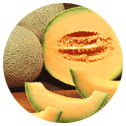
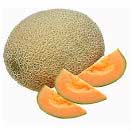
Cantaloupe also called as cantaloup, mushmelon, Muskmelon rockmelon refers to a variety of Cucumis meloin the family Cucurbitaceae which includes all melons squashes. Cantaloupes range in size from 0.5 to 5.0 kilograms. Originally, cantaloupe referred only to the non-netted orange fleshed melons of Europe; however, in more recent usage it has come to mean any orange-fleshed melon.
Cantaloupes have been linked to listeriosis illness caused by Listeria bacteria that contaminated the fruit while they were being stored and sorted in cold conditions after harvest.
Nutrient |
Amounts/Selected Serving |
DV% |
|---|---|---|
Calcium |
15.9 mg |
1% |
Iron |
0.4mg |
1% |
Magnesium |
21.2mg |
1% |
Phosphorus |
26.5mg |
1% |
Potassium |
473mg |
2% |
Sodium |
28.3mg |
0% |
Zinc |
0.3mg |
0% |
Copper |
0.1mg |
1% |
Manganese |
0.1 mg |
2% |
Selenium |
0.7mcg |
0% |
Fluoride |
0.8 mcg |
0% |
Nutrients |
Amounts/Selected Serving |
DV% |
|---|---|---|
TotalCalories |
60.2 kcal252 kJ |
4% |
Carbs |
52.4kcal219.01kJ |
|
Fat |
2.8 kcal11.7 kJ |
|
Protein |
5 kcal20.9 kJ |
|
Alcohol |
0.0(0.0 kJ) |
Nutrients |
Amounts/Selected Serving |
DV% |
|---|---|---|
Cholesterol |
0.0mg |
0% |
Phytosterols |
17.7mg
|
~ |
Nutrients |
Amounts/Selected Serving |
DV% |
|---|---|---|
Fat |
0.3g |
0% |
Saturated Fat |
0.1g |
0% |
Monounsaturated fat |
0.0g |
|
Polysaturated Fat |
0.1g |
|
| trans fatty acids |
~ |
|
transmonoenoicfattyacids |
~ |
|
trans-polyenoicfattyacids |
~ |
|
Omega-3 fatty acids |
81.4mg |
|
Omega-6 fatty acids |
62.0mg |
Nutrient |
Amounts/Selected Serving |
DV% |
|---|---|---|
Vitamin A |
5987 IU |
1% |
Vitamin B |
6 5.041 mg |
2% |
Vitamin B |
~ |
0% |
Vitamin C |
4.6 mg |
0% |
Vitamin D2 |
~ |
~ |
Vitamin D3 |
~ |
|
Vitamin E |
0.1 mg |
1% |
Vitamin K |
4.4mcg |
3% |
Thiamin |
0.0 mg |
1% |
Riboflavin |
0.0 mg |
2% |
Niacin |
1.3mg |
0% |
Pantothenic |
0.061 mg |
1% |
Choline |
0.2 mg |
~ |
Betaine |
13.5mg |
~ |
Folate |
0.2mcg |
1% |
Nutrients |
Amounts/Selected Serving |
DV% |
|---|---|---|
carbohydrates |
15.6g |
6% |
Dietary Fiber |
1.6g |
12% |
Starch |
0.1g |
|
Sugars |
13.9g |
Nutrients |
Amounts/Selected Serving |
DV% |
|---|---|---|
Protein |
0.26 |
1% |
Nutrients |
Amounts/Selected Serving |
DV% |
|---|---|---|
Alcohol |
0g |
|
Water |
160g |
|
Ash |
1.2g |
|
Caffeine |
0.0mg |
|
Theobromine |
0.0mg |
- HEART ATTACKS
- EYE SIGHT
- DIABETICS
Cantaloupecontain the compound adenosine, which is currently being given to heart disease patients to keep their blood thin and relieve angina attacks.
Cantaloupe fruit provides more beta-carotene than any other melon. its A-list benefits include preserving eyesight, supporting immunity, enhancing sun protection and reducing the risk of several types of cancer. diabetics When the digestive system encounters carbohydrates, it converts them into glucose. If diabetics eat too many carbohydrates, their body can't handle the influx of glucose, so their blood sugar levels increase more rapidly than they in a healthy person. If you have diabetes, you might experience an increased need to urinate, excessive thirst, extreme hunger, unexplained weight loss, sudden vision changes or other symptoms.
Diabetics monitor their blood sugar levels to ensure they stay within a safe range. In people who don't have diabetes, insulin this performs role by transporting glucose from the bloodstream to various blood cells, where it serves as an energy source. Diabetics, however, either have insufficient insulin or their insulin fails to transport the proper amount of glucose. By consumption of this nutrient of cantaloupe this condition can be reduced.
PERSON WHOM MAY NOT CONSUME CANTALOUPE:
- HEART ATTACKS
- KIDNEY STONE
Listeriosis can be fatal, in certain high-risk groups. These groups include older adults, people with low immune systems and certain chronic medical conditions (such as cancer), and unborn babies and newborns. In pregnant women, listeriosis can cause miscarriage, stillbirth, and serious illness or death in newborn babies, mother herself rarely becomes seriously ill.
Patients should not take cantaloupe when they have less urine. If patients have less urine, the potassium in the body can not be discharged out of the body. And too much potassium builds up in the body will lead to hyperkalemia. Cantaloupe contains a lot of potassium ion. The kidneys' ability of dealing with potassium has been greatly declined for patients with kidney failure because their glomerular filtration rate has been greatly declined. If they consume too many foods containing potassium such as cantaloupe, it is very likely for them to suffer from bradycardia and even death. So, patients with kidney failure should avoid cantaloupe when they have less urine. What is more, bananas also contains a lot of potassium, and every 100g bananas contain 283-472mg potassium.
If there is an elevation of potassium level in the body and the urine is less than 1000ml per day, foods containing too much potassium such as cantaloupe, orange, banana and should be avoided. Kidney failure patients can take cantaloupe when their urine volume is 1500-3000ml.
When the urine volume increases and the potassium level decreases, patients should take adequate potassium; supply. when the urine volume is 1500-3000ml per day, they can choose some foods containing much potassium such as cantaloupe, lean meat, eggs, potatos, and bananas etc. The supply of potassium should be adjusted according to the necessity of the body. They are, after all, grown in dirt and their skin is rough, textured, and has plenty of places for bacteria to hide. Do not try to wash the harmful bacteria off the cantaloupe as contamination may be both on the inside and outside of the cantaloupe. Cutting, slicing and dicing may also transfer harmful bacteria from the fruit’s surface to the fruit’s flesh.