|
|
|
GLOSSARY TERMS - 'S'
| Seed |
A seed is the ripened ovule of gymnosperm and angiosperm plants. The importance of the seed relative to more primitive forms of reproduction or dispersal is attested to by the success of these two groups of plants in the dominating the landscape.
|
| Simple Fruits |
Simple fruits can be either dry or fleshy and result from the ripening of a simple or compound ovary with only one pistil. Dry fruits might be either dehiscent (opening to discharge seeds), or indehiscent (not opening to discharge seeds).
|
| Stone Fruits |
Fruits also known as drupes - with one or more seeds surrounded by fleshy, normally edible tissue. They are often in the genus Prunes. Example: apricots, plums, cherries and mangoes.
|
| Strawberry |
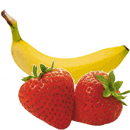
The strawberry (Fragaria) is called as genus of plants in the family Rosaceous, and the fruit of these plants. There are more than 22 named species and many hybrids and cultivars. The most common strawberries are grown commercially are cultivars of the Garden strawberry, a Fragaria × ananassa hybrid. Strawberries are a valuable source of vitamin C.
|
| Sub-Tropical Fruits |
Tropical and subtropical fruits, such as citrus, avocado, mango, banana, and papaya, are tremendously sensitive to cold weather, which restrictions their planting to mostly coastal and deep South Texas.
|
|
|
|
|
|
|
Special fruits for this week
|
|
|
|
|
|
|
|
|
|
Fruits Question of the month |
What fruit do you think is suitable fruit for summer season?
|
|
|
|
|
|
|
| |
|