






Home » Seasonal fruits
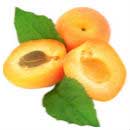







Apricot
Apricot is an orange color fruit which contains seed in it. It is somewhat like peach. Apricots are normally dried, ripe into pastry or used as jam. It is fine to consume apricots before meal as it is tremendous in digestion.
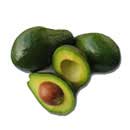
Avocado
Avocado is called as alligator pear, midshipman's butter, vegetable butter, or sometimes as butter pear. These are grown from the seeds of that fruit, but the plants are propagated by grafting.
Blueberry
Fresh blueberries can be bought from the month of May till October. The amazing nutrients in blueberries can be remitted by storing them in cool place. After purchasing don't forget to keep in a refrigerator.
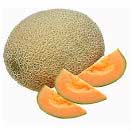
Cantaloupe
Cantaloupe has lusciously rich flavor, fragrance and minimal number of calories. It is also referred to as a netted melon because it has a rib less rind with a distinct netted skin. It is generally eaten as fresh fruit as salad or curd.
Casaba Melon
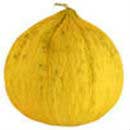
The casaba melon is a variety of muskmelon, closely interrelated to cantaloupe and honeydew. Casaba melons are a tremendous source of vitamin C, vitamin B6 and also a good source of potassium. It mainly helps in maintaining optimum health and weight loss.
Cherries
Cherry is a fleshy stone fruit. Cherries taste best consumed "humid" from the tree. Cherries have a powerful pain relief benefits especially for runners and other athletes. It also has a considerable impact on relieving muscle and joint discomfort more quickly.
Cucumber
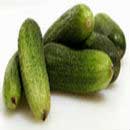
Cucumber is an ancient plant, where the seeds almost twelve thousand years old. There are several varieties of cucumber. The most popular are English, Persian, and Pickling cucumbers.
Currants
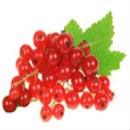
Currant fruits are small, rounded in shape with smooth skin which can be red, yellow, green, or black in color. Currant fruits are almost sweet in taste and also used in several food preparations.
Fig
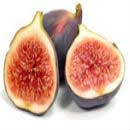
Figs are a large and deciduous shrub. Figs are used to lower and control high blood pressure because they are filled with potassium, a mineral used to control hypertension.
Jackfruit
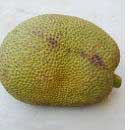
Jackfruit tree bears fruits from trunk and branches. It also called as jak-fruit, jak, and jaca. In Malaysia and Philippines it is called as nangka, in Thailand as khanun, in Cambodia as khnor, in Laos as mak mi.
Navel orange
Navel oranges are characterized as the 2nd fruit at the apex, that resembles a human navel. Navel orange trees are all perfect clones of one another and are all originated from a single tree.
Nectarine
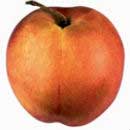
Nectarines are basically the same fruit as Peaches, the primary difference is that nectarines are smooth-skinned and peaches are blurry. Nectarines are sweeter, firmer and juicier. It provides a good source of carotenes and flavonoids.
Papaya
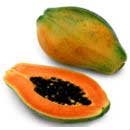
Papaya flesh is an orange color with either yellow or pink hues. Papayas bid the luscious taste and sunlit color of the tropics. Papaya also contains rich sources of antioxidant nutrients such as vitamin C, carotenes, and flavonoids.
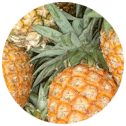
Pineapple
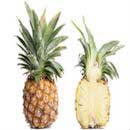
Pineapple is the ordinary name for an edible tropical plant. It provides an excellent source of vitamin C and manganese. Pineapples are commonly used to cure throat infections and bronquitis.
Raspberry
A Raspberry is aggregate fruit. Raspberries are lower in calories, wonderfully delicious and are nutrient-dense. The most familiar type of raspberry is red-pink in color. Raspberries are solitary of the most consumable fruits.
Rhubarb
Rhubarb is in fact a vegetable, not a fruit. But we generally treat it as a fruit, because of its high acidity, but in some cultures they use it as vegetable in savory dishes. It is a comparative of buckwheat and has a sour taste.
Strawberry
Strawberries are aggregates comprises of several small fruits. Strawberries are delicious and nutrient-rich fruit. It efficiently prevents the oxidation process in the body for free radicals.