Hallabong Orange Origin, History and Complete Guide in South Korea
Hallabong Orange is a premium citrus fruit strongly connected with South Korea, especially Jeju Island. It is valued for its raised top shape, bright orange peel, sweet juicy flesh, low acidity, strong aroma and high gift value. In South Korea, Hallabong Orange is one of the most recognizable specialty citrus fruits associated with Jeju agriculture and winter fruit markets.
Hallabong Orange should be written carefully. It is not an ancient native Korean citrus species. It is connected with the Shiranui or Dekopon citrus type, developed through modern citrus breeding and later cultivated successfully in Jeju. South Korea gave Hallabong Orange a strong local identity, name and premium market reputation.
This page explains Hallabong Orange through origin, history, climate, farming, culture, varieties, travel routes and health value. The goal is to provide accurate South Korea fruit content without false native-origin claims.
1. What is Hallabong Orange?
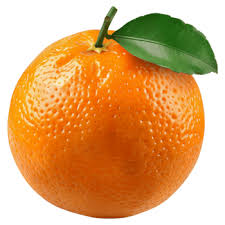
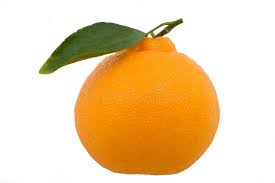
Hallabong Orange is a large mandarin-type citrus fruit known for its rounded body and raised bump near the stem end. It is commonly associated with the Shiranui or Dekopon citrus type. The fruit belongs to the Rutaceae family.
The flesh is juicy, sweet and aromatic, with a pleasant balance of acidity when properly mature. The peel is usually orange and easier to remove than many thick-skinned citrus fruits. In South Korea, Hallabong Orange is eaten fresh and often sold as a premium gift fruit.
Hallabong Orange is strongly linked with Jeju Island. Its name is connected with Hallasan, the famous mountain on Jeju, because the fruit's raised top is compared with the mountain shape.
Hallabong Orange can be understood as a living part of the plant world. Its shape, taste, color, smell and texture help people identify it, but its real story also includes the tree or plant that produces it, the season when it ripens and the people who grow, sell and eat it.
For children, the easiest way to learn about Hallabong Orange is to observe it carefully. Look at its skin, flesh, seed, smell and taste. Then ask where it grows, which climate it prefers, and how families in South Korea use it in everyday life.
2. Hallabong Orange Origin and Native Region
Hallabong Orange should not be described as a wild fruit that originated naturally in South Korea. It is connected with modern citrus breeding and the Shiranui or Dekopon type, which came from Japanese citrus development before becoming popular in Korea.
South Korea, especially Jeju Island, became strongly connected with Hallabong Orange because the local climate and protected cultivation systems helped produce high-quality fruit. Jeju growers developed strong branding around Hallabong Orange as a premium winter citrus.
The South Korean connection with Hallabong Orange is therefore agricultural, regional and commercial. The fruit may have breeding roots outside Korea, but Jeju gave it a distinctive Korean market identity and cultural recognition.
Origin does not always mean only one modern country. Many fruits developed across wider natural regions before countries had today's borders. This page explains the connection with South Korea while keeping the origin story clear and responsible.
The origin story helps learners understand why some places become famous for certain fruits. Climate, rainfall, soil, local farming skill and long-term selection all influence where a fruit becomes important.
3. Historical Background
The history of Hallabong Orange in South Korea is a modern specialty fruit story. After the citrus type was introduced and adapted to Korean cultivation, Jeju growers developed it into a premium fruit associated with local climate, careful farming and attractive gift packaging.
Hallabong Orange became popular because of its sweetness, juiciness, aroma and unique shape. Consumers recognized it as more special than ordinary mandarins, and it entered supermarkets, gift boxes, online fruit markets and winter seasonal promotions.
The fruit's Korean identity became strong through the name Hallabong, which connects it with Hallasan and Jeju. This makes Hallabong Orange a good example of how an introduced cultivar can become culturally important through local farming and branding.
History shows how people learned to grow, select and share Hallabong Orange. Farmers kept better plants, families passed food habits to children, traders carried fruit to new places and communities gave the fruit special meaning.
A fruit's history can include village gardens, royal orchards, local markets, export routes, traditional recipes and modern farms. These layers make the page richer than a short dictionary meaning.
4. Climate and Growing Conditions
Hallabong Orange needs warm citrus-growing conditions, good sunlight, careful temperature management and protection from severe frost. Jeju Island is one of the main areas associated with Hallabong Orange because its climate is milder than much of mainland Korea and suitable for specialty citrus with proper management.
Many Hallabong Orange orchards use greenhouses or protected cultivation to manage temperature, fruit quality and harvest timing. Water management, pruning, fruit thinning, fertilization and pest control all affect sweetness and appearance.
Successful Hallabong Orange farming in South Korea depends on suitable sites, protected growing systems where needed, healthy trees, balanced nutrition, irrigation, pest monitoring, maturity checking and careful harvest. Sugar-acid balance is especially important for premium fruit quality.
Hallabong Orange needs the right balance of sunlight, temperature, rainfall, soil drainage and care. Too much rain at the wrong time, poor soil, strong wind or pests can reduce fruit quality, while the right season can make fruit sweeter, cleaner and easier to harvest.
Learning about climate helps children see that food is connected with Earth science. Weather is not only something we feel outside; it also decides what farmers can grow and when families can enjoy seasonal fruit.
5. Farming and Cultivation
Hallabong Orange farming in South Korea includes planting suitable citrus trees, using protected cultivation where needed, pruning, thinning, irrigation, fertilization, pest monitoring, disease control, maturity testing, harvesting and grading. Jeju's mild climate and farm systems are central to quality production.
Farmers must manage temperature, humidity, fruit size, sweetness, acidity, pests and rind quality. Protected orchards help reduce weather risk and improve consistency. Good harvest timing allows acidity to drop and sweetness to develop.
After harvest, Hallabong Orange should be sorted by size, shape, sweetness, peel condition and damage. Premium packaging, cold-chain management and accurate origin labeling help maintain consumer trust and high market value.
Farmers do many careful jobs before fruit reaches a plate. They select planting material, prepare soil, water plants, add nutrients, remove weeds, protect flowers, watch for pests, harvest at the right maturity and sort the fruit after picking.
Good farming is a combination of patience and observation. A farmer looks at leaves, flowers, soil moisture, fruit size and weather signs. These small daily decisions help make healthy harvests and reduce waste.
6. Cultural Importance in South Korea
Hallabong Orange has strong cultural and market value in South Korea as a premium Jeju fruit. It is often purchased as a gift, served during winter, sold in attractive boxes and associated with freshness, quality and regional pride.
In Korean food culture, Hallabong Orange is usually eaten fresh because its sweetness, aroma and juicy texture are its main strengths. It may also be used in juices, jams, desserts, cakes, teas and Jeju-themed food products.
Hallabong Orange also supports Jeju tourism and regional branding. Visitors often buy Hallabong Orange or Hallabong-flavored products as souvenirs, making the fruit part of Jeju's agricultural and tourism identity.
Culture explains how people feel about Hallabong Orange, not only how they grow it. A fruit may appear in home kitchens, school lunch boxes, markets, festivals, gifts, stories, songs, memories and local celebrations.
When children learn the culture of a fruit, they learn respect for different places. The same fruit can be eaten in many ways around the world, and each community may have its own name, recipe or seasonal habit.
7. Travel Route and Global Spread
Hallabong Orange travels from Jeju orchards and packing facilities to markets across South Korea. Because it is a premium fruit, careful grading, packaging and branding are important. Fruit size, peel appearance, sweetness and freshness affect value.
The fruit also travels through online orders, gift delivery and Jeju souvenir markets. Unlike ordinary bulk citrus, Hallabong Orange often moves as a branded specialty product with emphasis on origin and quality.
Processed Hallabong Orange products such as juice, jam, tea, candies, chocolates and desserts travel farther and help extend the fruit's value beyond the fresh harvest season.
Hallabong Orange may travel as fresh fruit, dried fruit, seed, plant, recipe, trade item or idea. Roads, ships, markets and migration all help fruits move from one region to another.
The travel route also teaches children about geography. A fruit can begin in one region, become important in another country, and finally reach supermarkets or homes far away from where it first grew.
8. Popular Varieties
Hallabong Orange is closely associated with a specific mandarin-hybrid citrus type, but fruit quality can vary by orchard, tree age, cultivation system, harvest time and storage. Size, sweetness, acidity, peel condition and aroma all affect market grade.
In South Korea, consumers expect Hallabong Orange to be sweet, juicy, fragrant and easy to eat. The raised top shape is a key visual feature, but flavor and maturity are more important for repeat buyers.
Related premium citrus types may be marketed separately in Korea, but Hallabong Orange remains a recognized name strongly tied to Jeju. Accurate labeling and quality control are important because consumers trust the name for premium fruit.
Varieties are different types of the same fruit. They may have different colors, sizes, flavors, seasons, seed sizes, skin thickness, storage quality and best uses. This is why the same fruit can taste different in different markets.
Farmers choose varieties based on climate, disease resistance, yield, consumer preference and market demand. Families choose varieties based on taste, price, season and cooking use.
9. Health Benefits and Food Uses
Hallabong Orange provides water, natural sugars, vitamin C, organic acids, citrus aroma compounds and dietary fiber when eaten as whole segments. It is refreshing and can be part of a balanced diet in normal portions.
In South Korea, Hallabong Orange is usually eaten fresh, but it may also be processed into juices, desserts, jams and sweets. Fresh whole fruit provides more fiber than clear juice, while sweetened products may contain added sugar.
Health information about Hallabong Orange should be responsible. Hallabong Orange is nutritious and enjoyable, but it should not be described as a cure for diseases. People with acidity concerns or special diets should follow professional advice when needed.
Hallabong Orange can be part of a balanced diet because fruits usually provide water, natural sugars, fiber, vitamins, minerals and plant compounds. However, a fruit should not be described as a medicine or a guaranteed cure.
Children should learn that healthy eating means variety. Fruits are helpful when eaten with other good foods, clean water, enough sleep and active play. People with allergies, diabetes or special medical needs should follow professional advice.
10. Future Farming and Technology
AI systems can help citrus farmers optimize greenhouse climate control, monitor diseases and improve fruit grading quality.
Future farming can use weather data, soil sensors, careful irrigation, pest monitoring, safer storage and better market planning. Technology should help farmers save water, reduce losses, improve quality and protect the environment.
For kids, this is an exciting lesson: farming is not only old tradition. It is also science, design, computers, nature care and problem solving. The next generation can help make fruit farming smarter and kinder to the planet.
11. How to Taste and Describe Hallabong Orange
Detailed content will be added soon.
A good fruit explorer learns to describe food with careful words. Instead of only saying good or bad, try describing sweetness, sourness, aroma, juiciness, crunch, softness, color and aftertaste. This builds vocabulary and observation skills.
Children can make a small tasting chart for Hallabong Orange. They can note the fruit color, smell, texture, flavor and favorite use. This turns eating fruit into a safe learning activity with family or teachers.
12. Classroom and Parent Learning Ideas
Detailed content will be added soon.
Parents and teachers can use this page as a reading activity. First, ask children to find Hallabong Orange on a map through South Korea. Then ask them to identify the climate, farming steps, cultural uses and health notes from the page.
A simple project is to create a fruit passport. Children can write the fruit name, country connection, season, plant family, three facts, one drawing and one responsible health note. This makes the page useful for school learning and home practice.
13. Market Journey from Farm to Family
Detailed content will be added soon.
After harvest, Hallabong Orange begins a careful market journey. It may move from an orchard or field to a village collection point, then to a wholesale market, storage room, shop, supermarket, school meal program or family kitchen. Each step needs clean handling and good timing.
The journey teaches children that food does not simply appear on a plate. Many people help along the way: farmers, harvest workers, packers, drivers, sellers, cooks and family members. When fruit is handled well, more of the harvest is eaten and less is wasted.
A professional fruit page should explain this chain because it helps readers understand value. The price of fruit includes growing effort, transport, sorting, storage, market risk and seasonal supply. This is why fruit may be cheaper in peak season and more expensive when supply is low.
14. Responsible Nutrition Notes for Children
Detailed content will be added soon.
Hallabong Orange is best introduced as part of everyday balanced eating. A child-friendly explanation should focus on color, freshness, portion size and variety rather than exaggerated medical promises. Fruits support a healthy diet, but no single fruit replaces proper meals or medical care.
Children can learn to compare whole fruit with sugary fruit drinks. Whole fruit usually keeps more natural fiber and helps children experience texture, chewing and real flavor. Juices and sweet desserts may still be enjoyed sometimes, but they should not become the only way to eat fruit.
Families should also consider personal needs. Some people may have allergies, digestion issues or sugar restrictions. Responsible SEO content should be helpful without making unsafe health claims, especially on pages meant for kids and parents.
15. Sustainability and Nature Care
Detailed content will be added soon.
Growing Hallabong Orange responsibly means caring for soil, water, insects, trees, workers and local ecosystems. Sustainable farming tries to produce good fruit today without damaging the land needed for tomorrow. This is an important lesson for young readers.
Farmers can reduce waste by harvesting carefully, grading fruit honestly, processing extra fruit and improving storage. Families can help by buying sensible quantities, storing fruit correctly and using ripe fruit before it spoils.
Nature care also includes pollinators and biodiversity. Many fruit crops depend on healthy surroundings. When children learn about fruit, they also learn why gardens, bees, soil organisms, clean water and trees matter.
16. Common Mistakes in Fruit Origin Learning
Detailed content will be added soon.
One common mistake is saying a fruit belongs to only one country when its history is wider. Another mistake is copying the same short description onto many pages. This page avoids that by connecting Hallabong Orange with plant facts, country context, climate, farming, culture, travel and learning activities.
A second mistake is using difficult words without explanation. Children need clear headings, short learning notes and examples they can understand. Parents and teachers also need organized sections so the page can be used as a study guide.
A third mistake is ignoring source responsibility. Fruit history can be complex, so the page uses careful language such as connected with, grown in, important in and associated with when those words are more accurate than claiming a single birthplace.
17. SEO Learning Summary
Detailed content will be added soon.
This guide is designed for clean SEO because it answers many real questions about Hallabong Orange: what it is, where it is connected, how it grows, why it matters in South Korea, how it is used, what varieties exist and how children can learn from it.
The page structure uses a clear URL path, a focused page title, a helpful meta description, breadcrumb navigation, image alt text, article schema and FAQ schema. These elements help search engines and users understand the page without confusing layout or thin content.
Good SEO should also be good learning. A page should not only repeat keywords. It should help real readers stay longer, listen to the article, scan headings, understand facts and move to related fruit pages naturally.
18. Final Kids-Friendly Recap
Detailed content will be added soon.
The big idea is simple: Hallabong Orange is not just a fruit name. It is a story about plants, climate, farmers, families, markets, culture and geography. By studying it through South Korea, children can connect food with the wider world.
When you finish reading or listening to this page, try remembering five things: the fruit name, the country connection, the growing climate, one cultural use and one responsible health note. That small memory game turns the page into active learning.
This page is also built for listening. The audio reader can read the guide aloud so younger learners, busy parents and classroom users can follow the complete fruit story without needing a separate audio file for every fruit.