🌍 Fruit Region Navigation
Users can start from the Europe map and choose a country from the list. This makes the website easier to use because visitors can follow a clear path instead of searching through unrelated pages.
Explore fruit origins, country-wise fruits and regional fruit stories from Europe.
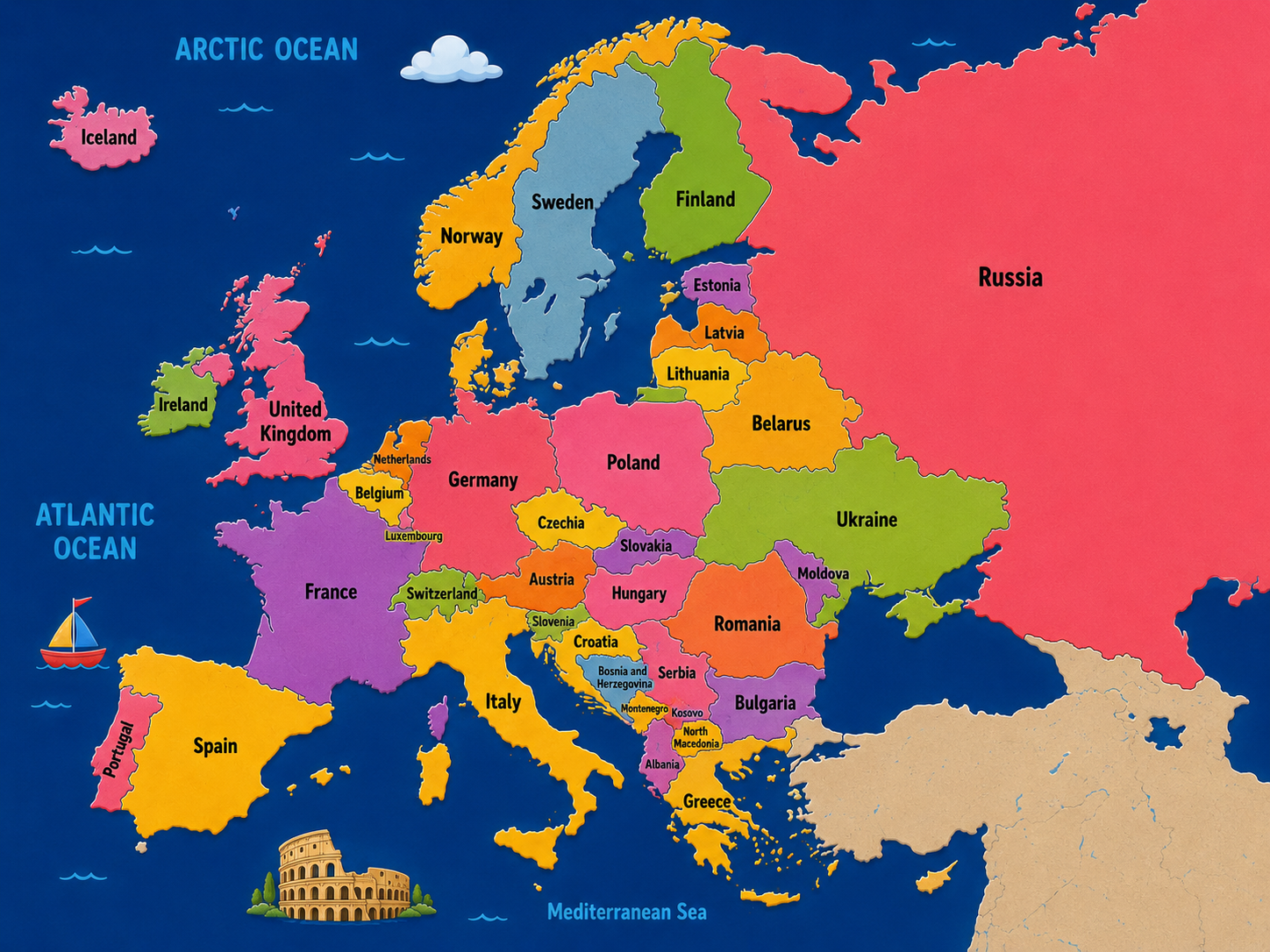
This page is the continent-level starting point for Europe. It helps users move from a large regional view into country-wise fruit discovery. Each country link opens a focused page where users can explore fruits connected with that location.
The purpose of this page is not to repeat fruit details from country pages or fruit pages. Instead, it works as a clean navigation page that connects the world map, country pages and individual fruit story pages.
Users can start from the Europe map and choose a country from the list. This makes the website easier to use because visitors can follow a clear path instead of searching through unrelated pages.
Every country link is designed to open a dedicated country page. The country page will show fruits connected with that country, along with internal links to individual fruit story pages.
The continent page does not explain every fruit in detail. That detailed information belongs on the fruit story page. This keeps the site clean, organized and professional.
This page supports a proper SEO structure: world map page, continent page, country page and fruit story page. Each level has a different role, so the content does not become repeated.
Europe is one of the most important continents for understanding orchard history, fruit farming, seasonal food culture and the movement of fruit crops through ancient trade routes. The continent includes Mediterranean coastlines, temperate plains, mountain valleys, river systems, island regions and cooler northern landscapes. Because of this variety, Europe has developed many different fruit traditions across its countries.
When users explore Europe fruit origins, they are learning how climate, farming knowledge, migration, trade, empire routes, local markets and regional food culture shaped fruit growing over many centuries. Apples, pears, grapes, cherries, plums, figs, olives, peaches, apricots, berries, citrus fruits and quinces all have important connections with European agriculture and food history.
Europe is especially important for orchard fruits and vineyard culture. Many European countries have long traditions of growing apples, pears, grapes and stone fruits. In southern Europe, fruits such as figs, olives, citrus and pomegranates are connected with Mediterranean food culture. In northern and eastern regions, berries, apples, plums and hardy orchard fruits are more common.
This Europe fruit origin page helps visitors understand the continent as a major fruit-learning region. Users can begin with the European country list, choose a country and then open individual fruit pages for deeper stories about origin, climate, farming, culture, varieties and trade routes.
Europe has many important fruit stories because it sits between several major climate and cultural zones. Southern Europe is influenced by the Mediterranean climate, with warm dry summers and mild winters. This supports grapes, olives, figs, citrus fruits, pomegranates and almonds. Central Europe supports apples, pears, cherries, plums and berries. Northern Europe has shorter growing seasons but strong traditions of hardy fruits and wild berries.
European fruit history is also shaped by ancient agriculture. Greek, Roman, Celtic, Slavic and Mediterranean farming traditions all influenced fruit cultivation. Over time, farmers selected varieties suited to local soils, rainfall and seasonal temperatures. These selections created many regional fruit types that remain important today.
Trade routes helped spread fruits and farming knowledge across Europe. Roman roads, river trade, coastal shipping and later international commerce moved fruits, seeds, cuttings and orchard techniques from one region to another. This helped fruits become part of local food culture far beyond their earliest growing areas.
Europe is also important because fruit became strongly connected with everyday foods. Apples became part of pies, juices, cider and fresh eating. Grapes became central to vineyard landscapes. Plums were dried or made into preserves. Berries were used in jams, desserts and seasonal dishes. These uses show how fruit culture became deeply woven into household life.
Modern Europe continues to be important in fruit farming. Many countries use advanced orchard systems, controlled storage, protected cultivation and careful quality grading. This combination of old tradition and modern technology makes Europe a strong continent for fruit education.
Mediterranean Europe is one of the most historically rich fruit regions in the world. Countries such as Italy, Greece, Spain, Portugal, Croatia, Cyprus and southern France have climates that support many fruits associated with warm dry summers and mild winters. Grapes, olives, figs, citrus fruits, almonds, pomegranates, apricots and peaches are strongly connected with this region.
Mediterranean fruit culture developed over thousands of years. Ancient farmers learned how to grow fruit trees on hillsides, coastal plains and river valleys. Terraces, irrigation systems and mixed farming helped people cultivate fruits in landscapes where water could be limited during summer.
Grapes and olives became especially important because they could be processed and stored. Grapes could be eaten fresh, dried as raisins or pressed into juice and wine. Olives could be cured for food or pressed for oil. This made them valuable for trade, storage and daily cooking.
Figs also played an important role in Mediterranean food history. They could be eaten fresh or dried for later use. Dried figs were useful because they provided sweetness and energy beyond the harvest season. Citrus fruits later became important in many coastal regions, adding bright flavor and strong market value.
Mediterranean Europe helps users understand how climate shapes food culture. The fruits of this region are not random. They reflect heat, sunlight, dry summers, coastal trade and centuries of farming knowledge.
Apples and pears are among the most important orchard fruits in European history. They have been grown across the continent for centuries and are strongly connected with temperate climates, village orchards, family farms and seasonal harvest traditions. From western Europe to eastern Europe, apples and pears became part of everyday food culture because they could be eaten fresh, stored, cooked, juiced or preserved.
Apple orchards became especially important in regions with cool winters and mild summers. Countries such as France, Germany, Poland, the United Kingdom, Italy, Spain and many parts of Central and Eastern Europe developed strong apple-growing traditions. Farmers selected varieties for flavor, storage life, cooking quality and resistance to local weather conditions.
Pears also became important in European orchards because of their sweetness, texture and usefulness in desserts and fresh eating. Some pears were valued for soft juicy flesh, while others were grown for cooking or preserving. Different regions developed their own preferred pear varieties based on climate and food traditions.
Apples and pears were valuable before modern refrigeration because many varieties could be stored for weeks or months. This made them useful winter foods. Cellars, barns and cool storage rooms helped families keep fruit beyond the harvest season.
These fruits also shaped European drinks and food products. Apples were used for cider, juice, vinegar, pies, sauces and dried fruit. Pears were used in desserts, preserves and drinks. Their flexibility helped them become central fruits in European household life.
Modern European apple and pear farming uses advanced orchard systems, controlled storage, pruning techniques and quality grading. Even with modern technology, the cultural connection remains strong. Apple festivals, orchard visits and seasonal markets continue to keep these fruits visible in European food culture.
Grapes are one of the most historically important fruits in Europe. They are connected with vineyards, food culture, trade, religion, celebration and rural landscapes. Southern and central European countries such as Italy, France, Spain, Portugal, Greece, Germany, Austria and Hungary have long traditions of grape cultivation.
Grapes became valuable because they could be used in many ways. They could be eaten fresh, dried as raisins, pressed into juice or fermented into wine. This versatility made grapes important for both local food systems and long-distance trade.
European vineyard culture developed over thousands of years. Ancient Greek and Roman societies played major roles in spreading grape cultivation around the Mediterranean and beyond. As vineyards expanded, farmers learned how soil, slope, sunlight and climate affected fruit quality.
Grapes helped shape European landscapes. Hillsides, river valleys and coastal regions were planted with vineyards because these locations often provided good drainage, sunlight and air movement. Many historic towns and villages developed around grape-growing regions.
Trade increased the importance of grapes and grape products. Raisins, wine and fresh grapes moved through markets, ports and river routes. Grape cultivation became part of regional identity, with different countries and valleys developing distinct varieties and traditions.
Today, Europe remains one of the world's most important grape-growing regions. Modern production combines traditional knowledge with scientific vineyard management. Grapes continue to be central to European agriculture, tourism and food culture.
Figs and olives are strongly connected with southern Europe and the Mediterranean way of life. These fruits thrive in warm climates with dry summers and mild winters. Countries such as Greece, Italy, Spain, Portugal, Cyprus and parts of southern France have long histories of growing figs and olives.
Figs were important in ancient food systems because they provided natural sweetness and could be dried for storage. Fresh figs are soft and delicate, but dried figs can last much longer. This made them valuable for travelers, farmers and households before modern food preservation.
Olive trees are among the most culturally significant fruit trees in Europe. Although olives are often discussed as oil crops, they are botanically fruits and play a major role in Mediterranean agriculture. Olive oil became essential for cooking, trade, medicine, lighting and religious traditions.
Both figs and olives demonstrate how fruits can shape entire food cultures. Mediterranean meals often include olive oil, fresh fruit, dried fruits, bread, vegetables and herbs. These ingredients reflect the climate and farming systems of the region.
Fig and olive trees are also valued because they can grow in rocky soils and dry conditions where some other crops struggle. Their ability to survive summer droughts made them reliable crops for Mediterranean farmers.
In modern Europe, figs and olives remain important for local markets, exports, tourism and traditional cuisine. They connect ancient farming history with contemporary food identity.
Cherries and plums are important stone fruits in European farming and food culture. They grow well in many temperate regions and are valued for their flavor, color, seasonal appeal and usefulness in desserts, preserves and fresh markets.
Cherry cultivation is especially strong in parts of Central, Eastern and Southern Europe. Countries such as Turkey, Italy, Spain, Germany, Poland, Hungary and the Balkans have long traditions of growing sweet and sour cherries. Sweet cherries are often eaten fresh, while sour cherries are commonly used in cooking, jams, juices and desserts.
Plums are also deeply connected with European household traditions. They can be eaten fresh, dried as prunes, cooked into jams or used in pastries and sauces. In many regions, plum harvest season is associated with family recipes and local food festivals.
Stone fruits require careful seasonal timing. They flower in spring and can be affected by frost, rain and temperature changes. Farmers must manage pruning, pollination, pests and harvest timing to produce high-quality fruit.
Apricots and peaches are also part of Europe's stone fruit story, especially in warmer regions. These fruits are grown in Mediterranean countries and sheltered valleys where spring frosts are less severe. Their sweetness and aroma make them popular in summer markets.
European stone fruit traditions show how short harvest seasons can become culturally important. When cherries, plums, apricots or peaches appear in markets, they mark a clear moment in the food calendar. This seasonal connection makes stone fruits memorable for families, travelers and local communities.
Berries are an important part of fruit culture in northern and eastern Europe. Cooler climates, forests, wetlands and shorter growing seasons support many berry species that have become deeply connected with local food traditions. Blueberries, raspberries, strawberries, blackberries, currants, gooseberries, lingonberries, cranberries and bilberries all have strong regional importance.
In northern Europe, berries are often linked with forests and summer gathering traditions. Families may collect wild berries from woodland areas, meadows and countryside paths. These seasonal activities connect people with nature and preserve knowledge about local plants.
Eastern Europe also has strong berry traditions. Currants, raspberries, cherries and forest berries are used in jams, syrups, pastries, teas and preserved foods. Because winters can be long and cold, preserving berries became an important household practice.
Berries are valuable because they can grow in climates where some larger fruit trees may struggle. Their short growing season allows them to ripen during warmer months, providing flavor and nutrition in regions with limited harvest windows.
Modern berry farming is now important in many European countries. Strawberries, raspberries and blueberries are grown commercially for fresh markets, frozen products and processed foods. Greenhouses, tunnels and improved varieties help extend production seasons.
Berry culture shows how Europe’s cooler regions developed fruit traditions different from Mediterranean areas. Instead of olives and figs, northern landscapes became known for forest berries, preserves and summer harvest memories.
Europe’s mountain regions add another important layer to the continent’s fruit story. The Alps, Carpathians, Pyrenees, Balkans and other mountain landscapes create unique growing conditions shaped by elevation, slopes, cooler temperatures and strong day-night temperature differences.
Mountain fruit farming is often associated with apples, pears, cherries, plums, apricots and berries. These fruits benefit from cooler nights, clean air and well-drained slopes. In many valleys, fruit trees are grown alongside pastures, vineyards and small farms.
Alpine regions are especially known for high-quality apples and pears. The combination of sunlight during the day and cooler temperatures at night can help fruit develop good color, sweetness and texture. Farmers often use terraced land and careful pruning to manage orchards on slopes.
Mountain farming also creates challenges. Late spring frost can damage flowers, hail can injure fruit and steep terrain can make harvesting difficult. Transporting fruit from remote valleys to markets requires planning and infrastructure.
Despite these challenges, mountain fruit regions have strong cultural value. Local fruit varieties may be linked with villages, valleys and traditional recipes. Fruit festivals, farm shops and regional labels help preserve these identities.
Mountain fruit farming helps users understand how elevation changes agriculture. A country may have warm lowlands, cool valleys and snowy mountains, each supporting different fruit traditions.
Roman trade routes played a major role in spreading fruit cultivation across Europe. Roads, ports, river systems and military settlements helped move fruit crops, seeds, cuttings and farming techniques from one region to another. As the Roman Empire expanded, many fruits became more widely cultivated.
Grapes, figs, olives, apples, pears, plums and cherries were all influenced by ancient Mediterranean agriculture. Roman farmers improved orchard and vineyard systems, selected useful varieties and shared cultivation knowledge across different provinces.
Roman roads made it easier to transport agricultural goods. Fresh fruits had limited travel life, but dried fruits, wine, olive oil and preserved fruit products could move much farther. This helped fruit-based products become part of trade and urban food supply.
River routes were also important. Rivers such as the Rhine, Danube, Rhône and Po connected inland farming regions with cities and ports. These waterways helped spread fruit products and connect distant markets.
After the Roman period, monasteries, villages and regional farms continued to preserve fruit cultivation knowledge. Many orchards and vineyards remained important parts of rural landscapes. Over centuries, fruit growing adapted to local climates and cultural preferences.
Fruit movement in Europe shows that origins are rarely simple. A fruit may have an ancient origin outside Europe, become cultivated in the Mediterranean, spread through Roman influence and later become a local specialty in a specific European country.
Fruit markets are an important part of European food culture. Across the continent, seasonal fruits appear in farmers’ markets, village fairs, city markets, roadside stalls, grocery shops and regional festivals. These markets help connect growers with consumers and keep local fruit traditions visible.
Seasonal eating is especially important in Europe because many fruit crops have clear harvest periods. Strawberries may mark late spring and early summer. Cherries often signal early summer. Peaches, apricots and plums fill summer markets. Apples, pears and grapes become important in autumn.
European food culture often celebrates these seasonal changes. Fruit festivals, harvest fairs and local market days bring communities together. Visitors may travel to specific regions for cherry festivals, grape harvests, apple markets or berry picking.
Preserving fruit has long been important in European households. Jams, compotes, dried fruits, juices, cider, syrups and canned fruits allowed families to enjoy harvest flavors during colder months. These preservation traditions are still found in many regions.
Modern supermarkets make fruits available year-round, but local seasonal markets remain important for freshness, regional identity and traditional varieties. Many consumers value locally grown fruit because it connects them with place, season and farming heritage.
European fruit markets show how agriculture and culture meet in everyday life. They help users understand that fruit is not only a crop, but also a seasonal experience connected with memory, travel, cooking and community.
Climate is one of the most important reasons Europe has such a wide range of fruit traditions. The continent includes Mediterranean climates, temperate plains, oceanic regions, continental interiors, mountain valleys and cooler northern landscapes. Each climate zone supports different fruits and farming methods.
Southern Europe has warm dry summers and mild winters. This makes the region suitable for grapes, olives, figs, citrus fruits, almonds, peaches, apricots and pomegranates. Farmers in Mediterranean areas often manage limited summer rainfall through irrigation, terracing and drought-tolerant fruit trees.
Central Europe has stronger seasonal changes, with cold winters and warm summers. These conditions support apples, pears, cherries, plums, berries and grapes. Winter chilling helps many fruit trees flower properly in spring, while summer warmth helps fruits ripen.
Northern Europe has shorter growing seasons and cooler temperatures. Hardy fruits such as apples, berries, currants and gooseberries are more common. In these regions, fruit farming often depends on careful variety selection, protected cultivation and short-season crops.
Mountain regions create special fruit-growing conditions. Elevation, slopes, cooler nights and strong sunlight can improve fruit color and flavor. However, farmers must also manage frost, hail, steep land and transport challenges.
Climate change is now affecting European fruit farming. Warmer winters, spring frost events, droughts, heatwaves and irregular rainfall can affect fruit quality and harvest timing. Farmers are adapting through irrigation, frost protection, shade systems, improved varieties and more precise orchard management.
Europe plays an important role in modern fruit production and export. Many European countries produce fresh fruits, processed fruit products, juices, dried fruits and premium regional specialties for both local and international markets.
Spain and Italy are major producers of citrus fruits, grapes, peaches, apricots, cherries and olives. France is strongly connected with apples, pears, grapes and stone fruits. Poland is one of Europe’s most important apple producers. Greece, Portugal and other Mediterranean countries contribute figs, olives, citrus fruits and grapes.
European fruit exports depend on quality control, cold storage, grading, packaging and transport systems. These systems help fruits move from farms to supermarkets while maintaining freshness and appearance.
Processed fruit products are also important. Apple juice, cider, jams, dried plums, raisins, olive oil, canned fruits and frozen berries are part of Europe’s fruit economy. These products help reduce waste and extend fruit value beyond the fresh harvest season.
Regional identity is a major strength of European fruit exports. Some fruits are linked with specific valleys, islands, climates or traditional production methods. This gives many European fruits strong cultural and market value.
Modern European fruit farming combines advanced technology with old agricultural knowledge. Orchards, vineyards and fruit farms use pruning systems, irrigation, protected growing, pollination management and careful harvest timing to produce high-quality fruit.
Europe is too diverse to explain fully on one continent page. Each country has its own fruit identity shaped by climate, history, farming traditions, food culture and market systems. Country pages help users move from a broad European overview into focused local fruit stories.
Italy may be strongly connected with grapes, olives, figs, citrus fruits and peaches. Spain may highlight oranges, grapes, olives, almonds and pomegranates. France may focus on apples, pears, grapes, cherries and plums. Poland may be important for apples and berries. Greece may connect deeply with figs, olives, grapes and citrus fruits.
Country pages also help prevent duplicate content. Instead of writing the same general fruit information on every page, each country page can explain how fruits matter locally. A grape page in France may focus on vineyards and terroir, while a grape page in Greece may focus on Mediterranean history and table grapes.
This structure helps users and search engines. Visitors can start with Europe, choose a country and then open fruit pages. Search engines can understand the website hierarchy: continent page, country page and fruit story page.
The best Europe fruit explorer experience should feel like a journey through landscapes, seasons and food traditions. Country pages make that journey clear, organized and useful.
Europe fruit stories are educational because they connect food with geography, climate, history and culture. A simple fruit such as an apple, grape or fig can teach users about farming systems, trade routes, seasonal eating and regional identity.
Students can use European fruit pages to understand climate zones. Mediterranean fruits teach about dry summers and mild winters. Orchard fruits teach about winter chilling and spring flowering. Berries teach about cooler climates and short growing seasons. Mountain fruits teach about elevation and temperature differences.
Fruit stories also help explain European history. Roman roads, Mediterranean trade, river transport, monasteries, villages and modern markets all influenced how fruits spread and became part of regional food cultures.
European fruit traditions also show how people preserve seasonal harvests. Jams, dried fruits, cider, juices, olive oil, raisins and preserved fruit products all demonstrate how households and farmers extended fruit value beyond harvest time.
For children and general learners, fruit stories make geography and history easier to understand. Instead of learning only country names, users can connect places with apples, grapes, cherries, berries, olives, figs and citrus fruits.
Why is Europe important for fruit origins and fruit history?
Europe is important because it has long orchard, vineyard and Mediterranean fruit traditions connected with apples, pears, grapes, olives, figs, cherries, plums, berries and citrus fruits.
Which fruits are most connected with Europe?
Apples, pears, grapes, cherries, plums, figs, olives, peaches, apricots, berries, citrus fruits and quinces are strongly connected with European fruit culture.
Which part of Europe is best known for Mediterranean fruits?
Southern Europe, including Italy, Spain, Greece, Portugal, Cyprus and southern France, is strongly connected with grapes, olives, figs, citrus fruits and pomegranates.
Why are apples and pears important in Europe?
Apples and pears grow well in temperate climates and have been used for fresh eating, cooking, storage, cider, juice and traditional desserts.
Why are grapes important in European fruit history?
Grapes are important because they shaped vineyards, trade, food culture and regional identity across many European countries.
Are all European fruits native to Europe?
No. Some fruits are native or deeply naturalized in European regions, while others arrived through ancient trade, migration and agricultural exchange.
How does climate affect European fruit farming?
Mediterranean climates support figs, olives and citrus, temperate climates support apples and pears, and cooler northern regions support berries and hardy orchard fruits.
Why are country pages needed for Europe fruit learning?
Country pages explain local fruit traditions and help users understand how each European country has its own fruit identity.
How should users explore Europe fruit content?
Users should start with the Europe continent page, choose a country page and then open individual fruit story pages for deeper learning.
What makes European fruit culture educational?
European fruit culture teaches climate, history, trade, seasonal eating, preservation methods and regional food traditions.