Spain Fruits
Spain Fruit Origin Guide
This page helps users explore fruits connected with Spain. Select a fruit card below to open its detailed story page with origin, climate, culture, varieties, benefits and farming information.

Famous Fruits in Spain
Choose a fruit to read its origin story and country-specific fruit information.
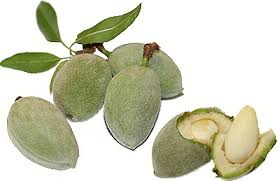
Almond
Spanish almond is a nutritious Mediterranean nut known for premium quality and dry-climate cultivation.
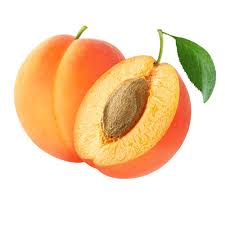
Apricot
Spanish apricot is a soft golden fruit known for aromatic sweetness and Mediterranean cultivation.
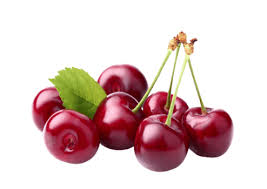
Cherry
Spanish cherry is a sweet red fruit known for mountain cultivation and premium summer harvests.
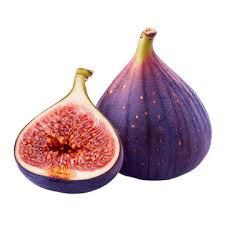
Fig
Spanish fig is a soft sweet Mediterranean fruit known for dry-climate cultivation and traditional use.
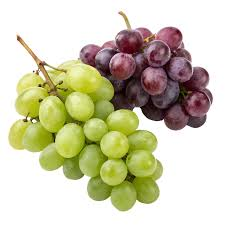
Grape
Spanish grape is a premium vineyard fruit known for wine heritage and Mediterranean cultivation.
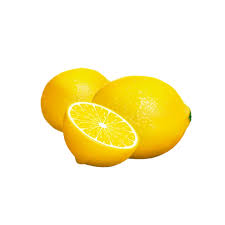
Lemon
Spanish lemon is a fragrant citrus fruit known for Mediterranean coastal cultivation and export quality.
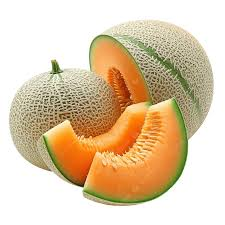
Melon
Spanish melon is a refreshing summer fruit known for sweet flavor and hot-climate cultivation.
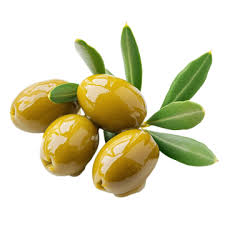
Olive
Spanish olive is a Mediterranean fruit known for premium olive oil production and ancient cultivation traditions.
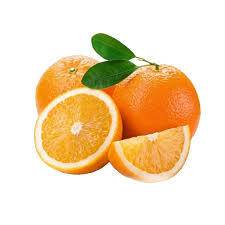
Orange
Spanish orange is a sweet Mediterranean citrus fruit known for Valencia cultivation and export quality.
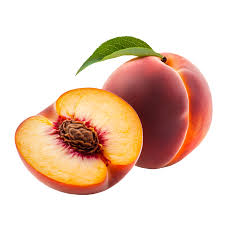
Peach
Spanish peach is a juicy summer fruit known for sweet flavor and sunny Mediterranean cultivation.
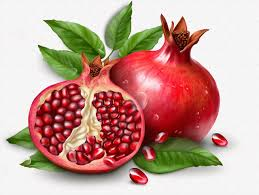
Pomegranate
Spanish pomegranate is a red Mediterranean fruit known for juicy seeds and sunny cultivation.

Strawberry
Spanish strawberry is a sweet red berry known for early-season production and export farming.
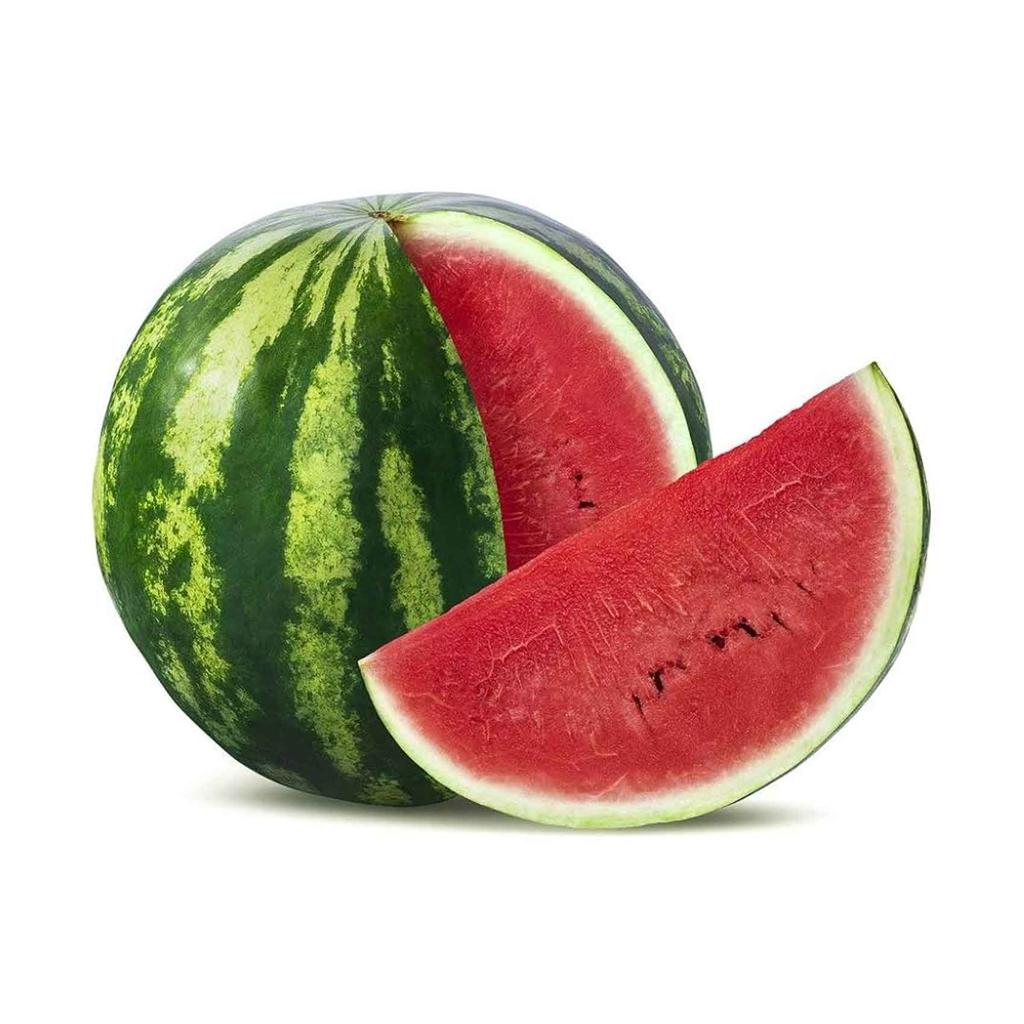
Watermelon
Spanish watermelon is a refreshing summer fruit known for sweet red flesh and sunny cultivation.
Spain Fruit Farming, Climate and Fruit Culture
Spain has a country-level fruit story connected with its place in Europe, its farming landscapes and the fruits listed in this Fruit Origin Explorer. This page focuses on Orange, Olive, Grape, Lemon, Fig, Pomegranate, Peach and Apricot. Instead of repeating general fruit facts, the guide explains how these fruits can be understood through local climate, farming, markets, food use and links to individual fruit story pages. Visitors can use this page as the bridge between the Europe continent guide and the detailed fruit pages for Spain.
Why Spain Is Important for Fruit Learning
Spain is useful for fruit learning because it shows how a country page can organize fruits by place, climate and culture. The fruits listed for Spain include Orange, Olive, Grape, Lemon, Fig, Pomegranate, Peach and Apricot, giving visitors a clear starting point before they open the detailed fruit story pages.
The purpose of this page is not to claim that every fruit originated only in Spain. Many fruits have wider regional or global histories. This country guide explains how fruits are connected with Spain through cultivation, markets, food traditions, climate suitability and the learning path inside the website.
Climate and Farming Context in Spain
Fruit farming in Spain should be understood within the wider Europe context, where farmers may work with Mediterranean coasts, temperate plains, mountain valleys, river regions and cooler northern zones. These conditions influence which fruits grow well, when harvests arrive and how fruits move from farms to markets.
The fruits connected with this page, including Orange, Olive, Grape, Lemon and Fig, can be explained through farming needs such as sunlight, rainfall, soil, irrigation, elevation and seasonal temperature. This helps visitors understand why fruit pages should include climate and farming details instead of only short descriptions.
Famous Fruits Listed for Spain
The main fruits shown for Spain in this tool include Orange, Olive, Grape, Lemon, Fig, Pomegranate, Peach and Apricot. Each fruit card leads to a dedicated fruit page where users can read about origin background, growing climate, cultural use, varieties, farming and future agriculture.
This country page keeps the fruit list organized and prevents mixed content from different locations. Users can compare Orange with Olive and other fruits on the page, then open the fruit story that interests them most. This creates a clean country-to-fruit learning path.
Fruit Markets, Food Use and Local Culture
Fruit culture in Spain can be studied through markets, household food use and seasonal availability. Across Europe, fruits are often connected with fresh eating, jams, juices, desserts, dried fruit, cider, local festivals and household preserving. The same idea helps explain why the fruits listed on this page should be treated as part of a wider food and farming system.
Market culture also matters because fruits reach people through farmers markets, village fairs, supermarket supply chains and regional fruit festivals. Fresh fruits may be sold during harvest periods, while some fruits may also be processed, dried, juiced or used in traditional foods. This makes the country page more educational than a simple fruit list.
How to Explore Spain Fruit Pages
Start with this Spain page, review the fruit cards and choose one fruit to open its full story. A visitor can move from the continent page to this country page and then to fruit pages such as Orange, Olive and other listed fruits.
This structure is good for users and SEO because each level has a different job. The continent page explains the regional background, the country page explains the local fruit group and each fruit page gives the detailed origin, climate, culture, farming and travel-route story.
Spain Fruit FAQ
Which fruits are listed for Spain?
The fruits listed for Spain include Orange, Olive, Grape, Lemon, Fig, Pomegranate, Peach and Apricot in this Fruit Origin Explorer.
Do all these fruits originate in Spain?
No. Some fruits may have wider regional or global origins. This page explains fruits connected with Spain through farming, markets, climate, culture and learning links.
How should users explore Spain fruit content?
Users should start with the Spain country page, choose a fruit card and then open the detailed fruit story page.
Why is climate important for Spain fruits?
Climate affects flowering, harvest season, fruit quality, irrigation needs and which crops can grow successfully.
Why are country pages useful for SEO?
Country pages create a clear structure between continent guides and individual fruit pages, helping users and search engines understand the website.