







Apricots

Apricot is a fruit that has been known to humans for thousands of years. During archeological excavations in the antique Armenian town Shenchovit near Yerevan, apricot pits were found in layers dating back to over 6000 B.C. The first written mention of apricot, however, is in a Chinese letter more than 4000 years old.
Scientific Name for Apricot: |
Prunus Armeniaca |
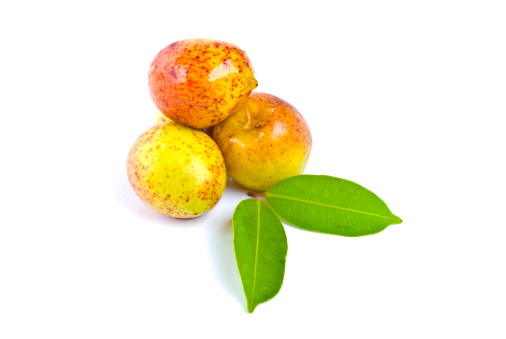
The apricot has highly health-building virtues. The fresh fruit is rich in easily-digestible natural sugars, vitamins A and C, riboflavin (B2) and niacin (B3).Its shape is similar to that of the peach but slightly smaller, with skin that is velvety and golden orange in color. |
|
Nutrition Information of Apricot |
Principle |
Nutrient Value |
Percentage of RDA |
Energy |
50 Kcal |
2.5% |
Carbohydrates |
11 g |
8.5% |
Protein |
1.4 g |
2.5% |
Total Fat |
0.4 g |
1% |
Cholesterol |
0 mg |
0% |
Dietary Fiber |
2 g |
5% |
Vitamins |
||
Folates |
9 µg |
2% |
Niacin |
0.600 mg |
4% |
Pantothenic acid |
0.240 mg |
5% |
Pyridoxine |
0.054 mg |
5% |
Riboflavin |
0.040 mg |
3% |
Thiamin |
0.030 mg |
2.5% |
Vitamin A |
1926 IU |
64% |
Vitamin C |
10 mg |
16% |
Vitamin E |
0 mg |
0% |
Vitamin K |
3.3 µg |
3% |
Electrolytes |
||
Sodium |
1 mg |
0% |
Potassium |
259 mg |
5.5% |
Minerals |
||
Calcium |
13 mg |
1.3% |
Copper |
||
Iron |
0.39 mg |
5% |
Magnesium |
10 mg |
2.5% |
Manganese |
0.077 mg |
3% |
Phosphorus |
23 mg |
3% |
Zinc |
0.2 mg |
2% |
 How-to-buy-fresh-Apricots?
Most fresh apricots are marketed in June and July, but a limited supply of imported apricots is available in large cities during December and January. Domestic apricots are grown principally in California, Washington, and Utah.
Apricots develop their flavor and sweetness on the tree, and should be mature but firm at the time that they are picked.
Look for: Apricots that are plump and juicy looking, with a uniform, golden-orange color. Ripe apricots will yield to gentle pressure on the skin.Avoid: Dull-looking, soft, or mushy fruit, and very firm, pale yellow, or greenish-yellow fruit. These indicate overmaturity or immaturity, respectively.