






Fruits listed region wise
The list of fruits mentioned here region wise is a very important part of a balanced and healthy diet. Having its own advantages, it takes up different climatic conditions to thrive, and will probably make up the majority of your caloric intake. The taste of these fruits can be enjoyed all year round; however, considering what fruits are in season will help you find them with ease. Whether it is fresh, frozen, dried or juiced- it all counts! Select from any of the topics below to learn about that fruit.
LIST OF FRUITS
Who doesn't like a lovely apple pie on Sundays or Fourth of July? Who will forget the proverb "an apple a day keeps the doctor away? What makes an apple so strong that it can keep the doctors away? Have you ever thought why our elders talked a lot about benefits of fruits more than vegetables? What makes the fruits so special? Well, a fruit is an edible seed bearing flowering plant which is formed in the ovary of the flower and mostlycontains Vitamin C and Antioxidants. They can be sweet or sour in taste and can be in different forms. Fruits are formed from Angiosperms in Greek, 'Angio' means 'vessel' and 'Sperma' means 'seed', a plant which produces flowering plants in any natural habitat with normal weather conditions.
 Temperate FruitsTropical FruitsMediterranean &Sub-Tropical FruitsInedible FruitsAccessory Fruits
 Temperate Fruits
Temperate fruits are largely made up of deciduous fruit trees. When you selecting temperate fruits it's very important to consider their pollination and chill hour requirements. As the coastal region and south east Old have such as a mild climate, care should be taken to choose deciduous fruit trees appropriate for the mild winters. The selected varieties we sell have the lowest chill factor of their groups. The most common and good temperate fruits are apples, peaches, pears, cherries, and plums. In addition, most fruits that grow on the bushes are raised mainly in the temperate Zone.
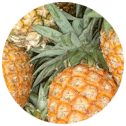
Tropical FruitsTropical fruits cannot stand even a light frost and are also raised mainly in the tropics. Bananas and pineapples are the best and good known tropical fruits. They are grown throughout the tropics and much of each crop is exported. Other tropical fruits also include mangoes and papayas.
 Mediterranean and Sub-Tropical Fruits
Subtropical fruits need warm or mild temperatures throughout the year, but they can survive in a light frost. The most common subtropical fruits are citrus fruits: oranges, grapefruits, lemons, and limes. Oranges, the leading citrus fruit, are grown from southern Japan. In the United States, Florida is expert in producing the most oranges. Other subtropical fruits include dates, figs, olives, pomegranates, and certain types of avocados.
Inedible FruitsInedible fruits are very fleshy five-valved red capsules. The fruits and leaves are poisonous, containing andromedotoxin which helps lowers blood pressure and causes breathing problems, dizziness, cramps, vomiting and diarrhea. Bog Laurel occurs with and strongly resembles Labrador Tea at the Ozette Prairies.
Accessory FruitsAn accessory fruit is referred to one that has more than ovary wall as part of fruit body. The other part of the flower swells along with expanding ovary wall. Very frequently the receptacle also participates. Ovaries that are inferior or that are in perigynous flower some time have accessory tissues surrounding the true fruit. The true fruit is red and accessory is white. An actual fruit is dry achene; and the accessory is red and juicy at the time of maturity.
In other words accessory fruits are composed of material not just form the ovary but also participate to form other parts of the flower such as the receptacle. To understand even better an accessory fruit is a fruit where the fleshy part is derived not form the ovary but form some adjacent tissue.
Few very good examples of accessory fruits are strawberry, watermelon, apple etc. Most accessory fruits are simple fruits that are developed from inferior ovaries.
Benefits of Eating Fruits One of the biggest benefits you can get from eating fruits is that it protects you from Cancer, Diabetes, Heart Diseases and other dangerous diseases.
Fruits are low in sodium and cholesterol which lowers your blood pressure protects your vision, decreases the chances of kidney stone and heart attacks.
You can eat fruits in any way. Fruits seldom lose their nutrients and flavors.Therefore, you can have fruits in any form whether it is fresh, frozen, canned or dried.
Fruits are rich in vitamins and minerals like vitamin A, C, K, B and B complex and Potassium, Iron, Zinc and Magnesium and they are also packed with fibers.
Fruits are less in calories and are less in fat. Fruits like banana improve your gut health and digestion system.
Fruits contain natural water content which helps you stay hydrated. Fruits like watermelon and apples have more than 70% water content.
Fruits help your skin glow, not literally glows. It clears you skin impurities and protects you from UV rays and brightens your skin cells.
Berry Fruits improves your brain health. Berry Fruits like Strawberry, Blueberry improves your memory power and thinking power.
And the list goes on and on. Here we have some of the healthiest fruits which are an all-rounder option for your body and easily available in the market.
 Apples
Rich in fibre, Vitamin C. Having an apple a day can keepthe risk of heart disease, cancer, and stroke away.
Classification of FruitsFruits are generally categorized by six different kinds.
- Berries:blackberries, cranberries, blueberries, red and black raspberries, strawberries, and grapes.
- Drupes:cherries, apricots, coconut, nectarines, peaches, and plums.
- Pomes:apples and pears
- Citrus Fruits:oranges, tangerines, grapefruits, kumquats, lemons, and limes
- Melons:cantaloupe, casaba ,honeydew, muskmelon and watermelon
- Tropical Fruits:avocados, bananas, figs, guavas, mangoes, papayas, pineapples, and kiwi.
BerriesA berry is a pulpy edible fruit which are sweet, sour and tart in taste. Berries provide excellent source of anti-oxidants and fiber and helps in improving blood sugar level and insulin and can reduce cholesterol level in the body.Cranberry, strawberry, blueberry and raspberry are some of the famous varieties of berries. China, USA, Canada, Serbia, India and Mexico are some of the berries producing country.
DrupesDrupe is also known as a stone fruit which has an outer fleshy part with a hardened seed in inside. It helps in boosting immunity, sharpening eye sight,provides a healthy digestive system and also reduces muscle pain. Typical drupes are apricots, olives, Indian gooseberry, plums, etc. Turkey, Spain, Italy, China and Uzbekistan are some of the drupe producing countries.
PomesThis fruit has a special core of several small seeds in a membrane. Theses fruits are grown during winter seasons and are packed with nutrients like potassium, magnesium and iron. Apples and Pears are the most common pome fruit. India, china, Poland, USA and Turkey are some of the leading producers of Apples.
CitrusThis fruit is a combination of sweet and sour because of the combination of sugar with citric acid in them. Some fruits of this category are extreme sweet and extreme sour. Lemon, Grapefruit, Lime, Orange and Kumquat are some of the citrus fruits. China, Brazil, the USA, India, Mexico, and Spain are the world's highest citrus fruit-producing countries.
MelonsMelons belong to the cucurbitaceae family, a fleshy and edible fruit which is one of largest fruits weighting from 700gms to 4kg. It is rich in electrolytes and water and is good source of Vitamin K, potassium and Copper along with Vitamin B6 and Vitamin C. Cantaloupe, Watermelon, Bitter melon (also known as bitter gourd), Musk melon are a few varieties of melon fruits. India, China, Turkey, Iran, Afghanistan are some of the melon producing countries.
Tropical Fruits Tropical fruits are grown in hot and humid regions. These fruits are also known as nature's candy as they have high sugar than any other fruits. It contains phytonutrients, Vitamin B complex, zinc and iron which helps in boosting immunity and producing haemoglobin and myoglobin and reduces blood pressure. Dragon Fruit, Mango, Jackfruit, Lychee, Pineapples and Mangoosteen are some of the tropical fruits. The Philippines, Indonesia, India, Brazil and Mexico are the top exporters of tropical fruits.