






 Full List of Fruits Pears
 Introduction of PearsNutritional Value of PearsVarieties of PearsHealth Benefits Value of PearsPropagation of Pears
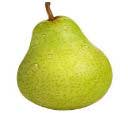
Pears

Principle |
Nutrient Value |
Percentage of RDA |
Energy |
58 Kcal |
3% |
Carbohydrates |
13.81 g |
11% |
Protein |
0.38 g |
<1% |
Total Fat |
0.12 g |
0.5% |
Cholesterol |
0 mg |
0% |
Dietary Fiber |
3.10 g |
8% |
Vitamins |
||
Folates |
7 µg |
2% |
Niacin |
0.157 mg |
1% |
Pantothenic acid |
0.048 mg |
1% |
Pyridoxine |
0.028 mg |
2% |
Riboflavin |
0.025 mg |
2% |
Thiamin |
0.012 mg |
1% |
Vitamin A |
23 IU |
1% |
Vitamin C |
4.2 mg |
7% |
Vitamin E |
0.12 mg |
1% |
Vitamin K |
4.5 µg |
4% |
Electrolytes |
||
Sodium |
1 mg |
0% |
Potassium |
119 mg |
2.5% |
Minerals |
||
Calcium |
9 mg |
1% |
Copper |
0.082 mg |
9% |
Iron |
0.17 mg |
2% |
Magnesium |
7 mg |
2% |
Manganese |
2% |
|
Phosphorus |
11 mg |
2% |
Zinc |
0.10 mg |
1% |


Seckel

Forelle

Comice

Red Anjou

Green Anjou
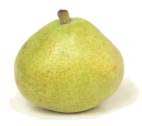
Red Bartlett

Yellow Bartlett

Pears are a delicious and nutritious fruit that can provide a variety of health benefits. They are a good source of dietary fiber, vitamin C, and potassium, and are low in calories. The dietary fiber in pears helps to promote regularity, reduce cholesterol levels, and may even help to lower the risk of certain types of cancer. Pears also contain a range of antioxidants, which help to protect the body from free radical damage and reduce inflammation.
Pears are a good source of vitamin C, which helps to support the immune system and protect against infection. Vitamin C is also important for collagen production, which is needed for healthy skin, bones, and connective tissue. Pears are also a good source of potassium, which helps to regulate blood pressure, maintain fluid balance, and support nerve and muscle function.
Pears are also a good source of boron, a mineral that plays an important role in bone health. Studies have shown that boron can improve bone density and reduce the risk of osteoporosis. Pears also contain phytonutrients, which are plant compounds with antioxidant and anti-inflammatory properties. These phytonutrients may help to protect against certain chronic diseases such as heart disease and diabetes.
In addition to providing a range of vitamins and minerals, pears can also help to promote weight loss. They are low in calories and high in fiber, which helps to keep you feeling full for longer. Eating pears regularly may help to reduce your overall calorie intake, leading to weight loss.
Overall, pears are a nutritious and delicious fruit that can provide a variety of health benefits. They are a good source of dietary fiber, vitamin C, potassium, and boron, and can help to promote weight loss. Eating pears regularly may help to reduce the risk of certain chronic diseases, protect against infection, and improve bone health.
Pears are propagated by several methods, such as grafting, budding, and layering. Grafting involves joining a scion, or desired variety, to a compatible rootstock. The scion is usually taken from a healthy and mature tree and the rootstock is carefully selected to ensure compatibility. Budding involves joining a bud of the desired variety to a compatible rootstock. The bud must be taken from a healthy and mature tree and the rootstock is carefully selected to ensure compatibility. Layering involves bending down a branch of the desired variety and burying a portion of it in the ground. The branch will eventually produce roots and can then be severed from the mother tree and planted.
Grafting is the most common method of propagating pears. It is a relatively easy process that requires careful selection of scion and rootstock, as well as precise technique when joining them together. The process involves cutting the scion and rootstock at a 45 degree angle, joining them together, and wrapping the joint with grafting tape to hold them in place. Afterward, the graft must be sealed with a grafting sealant to prevent the entry of diseases and pests.
Budding is a slightly more complex process than grafting. It requires a special tool called a budding knife to remove a bud from the desired variety and insert it into an incision made in the compatible rootstock. Once the bud is inserted, the incision is sealed with grafting tape and a grafting sealant.
Layering is a simple process that requires little skill or technique. It involves bending a branch of the desired variety downward and burying it in the ground. The buried portion will eventually produce roots and the layer can be severed from the mother tree and planted in a new location.
All of these methods of propagating pears require careful selection of scion and rootstock, precise technique, and effort to ensure success. With the proper care and attention, however, these methods can be used to successfully propagate pears and create healthy and productive trees.