
Kiwi Fruit: Nutrition, Benefits and Interesting Facts
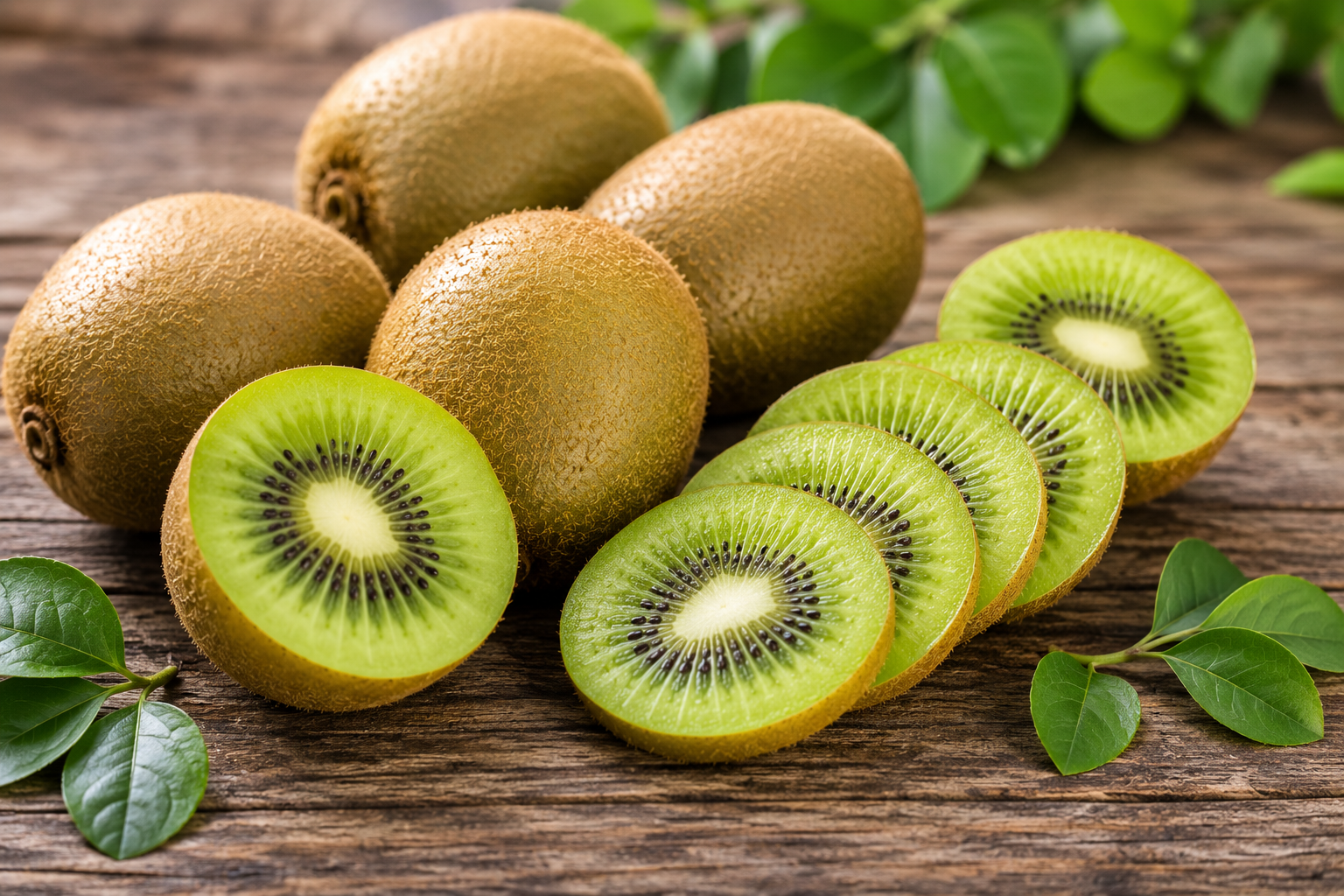
Kiwi is a small tropical fruit known for its fuzzy brown skin, soft green flesh, and tiny edible black seeds. It has a sweet and slightly tangy flavour that works well in smoothies, fruit salads, breakfast bowls, cakes, and chilled desserts. Kiwi is considered a nutrient-dense fruit because it provides several vitamins and minerals without being high in calories. It is especially popular for its vitamin C content, but it also contains fibre, potassium, vitamin K, vitamin E, and natural antioxidants.
1.Supports Normal Immune Function
Vitamin C plays an important role in supporting the immune system. Eating kiwi as part of a balanced diet can help the body meet its daily vitamin C needs. This nutrient also helps protect cells from oxidative stress.Helps Maintain Healthy SkinVitamin C is involved in collagen production, which supports the structure of the skin. Kiwi also contains vitamin E and antioxidant plant compounds that may contribute to overall skin health.
2.Supports Digestion
Kiwi contains dietary fibre, which supports bowel regularity and digestive health. It also contains a natural enzyme called actinidin, which helps break down certain proteins during digestion.May Support Heart WellnessKiwi provides potassium, fibre, and antioxidants. Potassium is important for normal muscle and nerve function and helps support healthy blood pressure when consumed as part of a balanced diet.
3.Useful for Hydration
Kiwi has a high water content, making it a refreshing fruit during warm weather. It can be combined with watermelon, cucumber, mint, and citrus fruits in hydrating drinks and fruit bowls.Interesting Kiwi FactsKiwi is also known as Chinese gooseberry. The fruit was first widely cultivated in China and later became strongly associated with New Zealand. Although many people remove the skin, kiwi skin is edible and contains additional fibre.
Ways to Enjoy Kiwi

Kiwi can be sliced and eaten fresh, blended into smoothies, added to yogurt, used as a cake topping, or combined with mango and berries in a fruit parfait. It is best added to dairy-based dishes shortly before serving because its natural enzymes may soften the texture over time.Kiwi is a small tropical fruit known for its fuzzy brown skin, soft green flesh, and tiny edible black seeds. It has a sweet and slightly tangy flavour that works well in smoothies, fruit salads, breakfast bowls, cakes, and chilled desserts.
Pineapple Fruit: Nutrition, Benefits and Interesting Facts
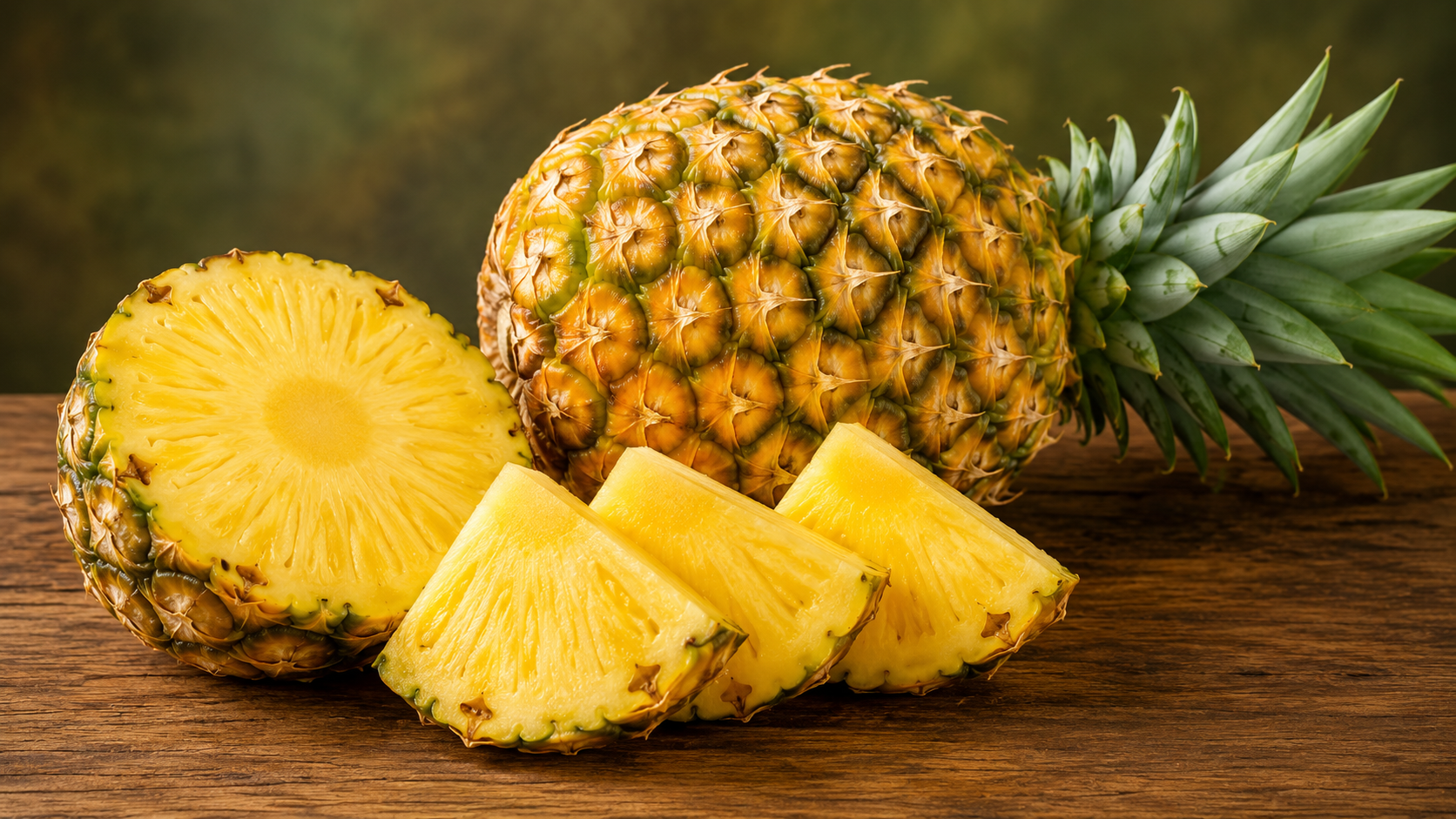
Pineapple is a tropical fruit with a rough outer skin, spiky green crown, and juicy golden flesh. It has a sweet and tangy taste that makes it suitable for both sweet and savoury recipes. Fresh pineapple contains vitamin C, manganese, fibre, water, and several natural plant compounds. It is also well known for containing bromelain, a group of enzymes naturally present in pineapple. The fruit also contains fibre, which supports normal digestive function and bowel regularity. Pineapples take a long time to grow, and one plant usually produces only one pineapple at a time. It help protect cells from oxidative stress and support overall wellness as part of a varied diet.
1.Supports Immune Health
Pineapple contains vitamin C, which contributes to normal immune function. Vitamin C also supports collagen production and helps the body absorb iron from plant-based foods.Helps Support DigestionBromelain helps break down proteins, which is why pineapple is sometimes used in marinades. The fruit also contains fibre, which supports normal digestive function and bowel regularity.
2.Supports Bone and Connective Tissue Health
Pineapple is a source of manganese. This mineral contributes to normal bone formation, metabolism, and the maintenance of connective tissues. Provides Antioxidants Pineapple contains vitamin C and antioxidant plant compounds. These help protect cells from oxidative stress and support overall wellness as part of a varied diet.
3.Refreshing and Hydrating
Because pineapple contains a large amount of water, it can be a refreshing snack in hot weather. It is often used in juices, smoothies, frozen fruit pops, and chilled desserts.Interesting Pineapple FactsA pineapple is not a single fruit. It is formed from many small berries that grow together around a central core. The pattern visible on the pineapple skin shows where these individual berries joined.Pineapples take a long time to grow, and one plant usually produces only one pineapple at a time.
Ways to Enjoy Pineapple

Fresh pineapple can be eaten on its own, grilled, added to fruit salads, blended into smoothies, or used in cakes and desserts. It also pairs well with coconut, mango, lime, mint, and yogurt. Fresh pineapple should not be added too early to gelatin desserts because bromelain can prevent the gelatin from setting properly. Cooked or canned pineapple usually does not cause this issue.
Dragon Fruit: Nutrition, Benefits and Interesting Facts
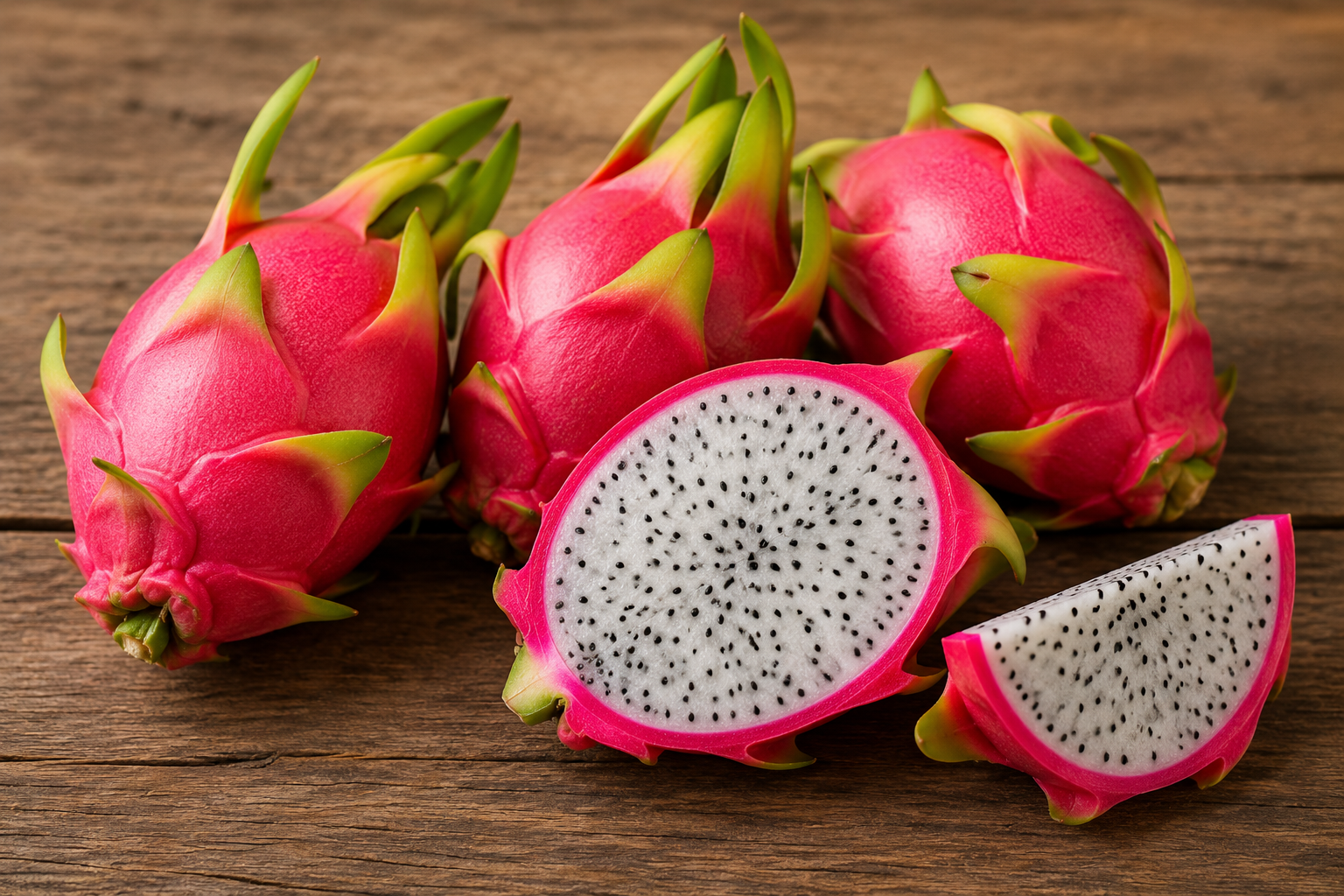
Dragon fruit, also called pitaya, is a tropical fruit recognised by its bright pink or yellow skin and green-tipped scales. The inside may be white, pink, or deep red and contains many tiny black edible seeds. Dragon fruit has a mild sweetness and soft texture. It is often used in smoothies, smoothie bowls, fruit salads, drinks, and chilled desserts. Dragon fruit, also known as pitaya, is a colourful tropical fruit with bright pink skin and white or red flesh dotted with tiny black seeds. It has a mild sweetness and can be added to smoothies, fruit bowls, salads, and chilled desserts. Dragon fruit has a high water content and is relatively low in calories.
1.Rich in Antioxidant Compounds
Dragon fruit contains vitamin C, betalains, carotenoids, and other plant compounds. These antioxidants help protect the body’s cells from oxidative stress.Red-fleshed dragon fruit usually contains higher levels of colourful betalain pigments than white-fleshed varieties.Dragon fruit contains antioxidants such as vitamin C, betalains, and other plant compounds. These antioxidants help protect cells from damage caused by oxidative stress.
2.Supports Digestive Health
Dragon fruit contains dietary fibre, which supports normal digestion and bowel regularity. It also contains prebiotic compounds that may help support beneficial bacteria in the digestive system.Supports Heart-Conscious EatingThe fibre and antioxidant compounds in dragon fruit make it a useful addition to a balanced diet. Its tiny black seeds also contain small amounts of beneficial fatty acids.
3.Supports Hydration
Dragon fruit has a high water content and a light, refreshing texture. It can be especially enjoyable when chilled and served during warm weather.Provides Useful MineralsDragon fruit contains small amounts of minerals such as magnesium and iron. Magnesium is involved in muscle and nerve function, while iron contributes to normal oxygen transport in the body.
4.Interesting Dragon Fruit Facts
Dragon fruit grows on a climbing cactus. Its flowers are large, white, and often bloom only at night, which is why they are sometimes called moonflowers or night-blooming flowers. The fruit belongs to the cactus family and is grown in tropical and subtropical regions around the world.
Ways to Enjoy Dragon Fruit

Dragon fruit can be cut in half and eaten with a spoon. It can also be cubed and added to fruit bowls, frozen and blended into smoothies, or served with yogurt and granola. The fruit belongs to the cactus family and is grown in tropical and subtropical regions around the world. Its mild flavour pairs well with stronger fruits such as mango, pineapple, berries, passion fruit, and citrus.
Why Eating Different Fruits Is Important
Different fruits provide different combinations of vitamins, minerals, fibre, water, and natural plant compounds. Eating only one type of fruit may limit the variety of nutrients in the diet.Kiwi offers vitamin C and digestive enzymes. Pineapple provides bromelain and manganese. Dragon fruit contributes fibre, hydration, and colourful antioxidant compounds.Choosing fruits of different colours is a simple way to increase variety. Green, yellow, red, purple, and orange fruits each contain different natural pigments and plant nutrients.
1.Simple Tips for Adding More Fruit to Your Diet
Add sliced fruit to breakfast cereals, yogurt, or oatmeal. Keep washed fruit ready for quick snacks. Use frozen fruit in smoothies instead of adding extra sugar. Combine fruits with nuts, yogurt, or seeds for a more filling snack. Fresh fruit is generally more filling than fruit juice because it retains its natural fibre. Whole fruit can therefore be a better everyday choice for many people.
2.Storage Tips
Kiwi can be ripened at room temperature and then stored in the refrigerator. Pineapple should be refrigerated after cutting and kept in a covered container. Dragon fruit can be stored at room temperature for a short period but lasts longer when refrigerated.Cut fruit should be covered and consumed within a few days for the best flavour and freshness.
3.Final Thoughts
Kiwi, pineapple, and dragon fruit are colourful, refreshing, and easy to include in everyday meals. Each fruit offers its own flavour, texture, and nutritional qualities.They can be eaten fresh, added to desserts, blended into drinks, or served as part of breakfast and snack recipes. The greatest benefit comes from enjoying them as part of a varied and balanced diet.